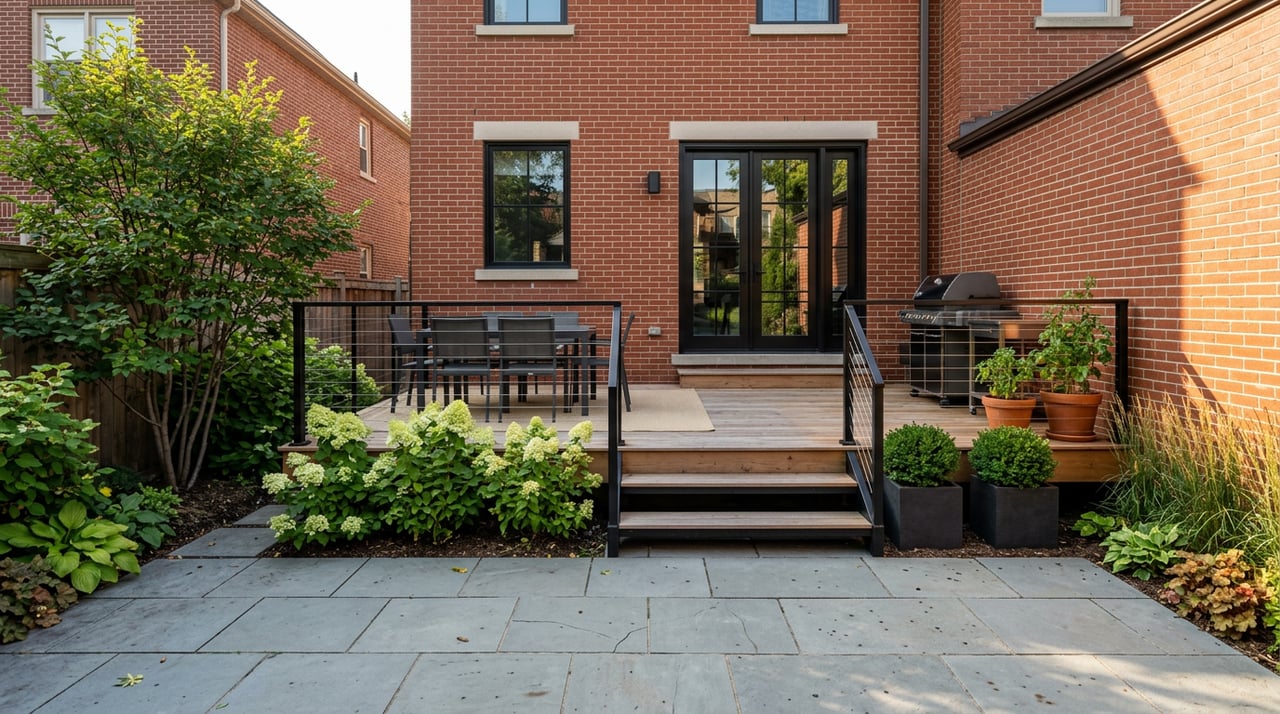
Craving a little backyard bliss without leaving the city? In Lincoln Square and Ravenswood, outdoor living is part of everyday life, from grilling on a small patio to tending herbs on a sunny deck. If you want practical ways to make the most of a city lot, you’re in the right place. You’ll learn what typical lots allow, smart layouts that work, how rooftop decks happen, and where to find local resources that keep your space green and fun. Let’s dive in.
Why outdoor living fits here
Lincoln Square is a North Side community where neighborhood life thrives around the intersection of Lincoln, Western and Lawrence. The area celebrates its German-American roots and hosts frequent events that bring people outside. You can get a feel for the community vibe from the Lincoln Square Ravenswood Chamber’s overview.
Parks do a lot of the heavy lifting for outdoor time. Welles Park offers a community center, pool and summer concerts, while Winnemac Park adds a playground, sports fields and a prairie garden. These spaces are a big plus if you prefer low-maintenance living at home but want room to play nearby. See what’s available on the 40th Ward parks page.
Local markets also support an outdoor lifestyle. The neighborhood’s twice-weekly seasonal Lincoln Square Farmers Market is perfect for fresh produce, cut flowers and plant starts, which makes container or small-plot gardening easy.
Typical lots and what they allow
A useful rule of thumb: many blocks in Lincoln Square and Ravenswood follow Chicago’s standard lot size of about 25 feet by 125 feet (around 3,125 square feet). That size usually supports a compact backyard for a grill, dining set and 2 to 3 raised beds. You’ll also find wider, deeper or even double lots on some blocks, which can add meaningful outdoor space. Review the standard and zoning basics in this Chicago lot-size guide, and always verify a specific property’s parcel data through the Cook County Assessor before you rely on exact dimensions.
You’ll see several home types with good outdoor potential:
- Chicago bungalows often have modest front yards and usable backyards for patios and raised beds. Learn more about the style from the Chicago Architecture Center.
- Two-flats and three-flats commonly include rear yards, alley garages and stacked rear porches, which makes deck expansions attractive.
- Courtyard buildings can offer shared greenspace.
- Newer infill homes often add rooftop decks, rear patios and garage-top decks where allowed.
Your Lincoln Square yard in 5 layouts
Below are five proven formats that fit most city lots. Use them as a starting point when you tour homes and plan upgrades.
1) Patio + planters
A small paver or wood patio near the back door is a staple on a 25 by 125 lot. It supports a grill and a table for four to six. Add two stock-tank planters or a pair of 4 by 4 raised beds for herbs, salad greens and peppers. No special city authorization is typically needed for a simple patio unless you alter grade or install structural features.
2) Deck + dining
A rear deck off the first or second floor is a fast way to extend living space. It improves light and airflow and creates a comfortable zone for dining and container gardening. Decks that sit more than 6 feet above grade or involve structural changes usually need permits. For a quick overview of local permitting norms, review this Chicago permit guidance.
3) Play lawn + sandbox
A compact fenced turf area works for playtime, a sandbox and a small bench. It keeps toys and soccer drills at home while bigger sports and meetups happen at Welles or Winnemac. This setup is popular with households that want low-cost maintenance and flexible yard use.
4) Garage-roof deck
If the lot footprint is tight, a garage-top deck can create an elevated lounge for grilling and container gardens. Because it is a structure with live loads, guardrails and waterproofing layers, it usually requires permits and a structural review. Start planning with the same permit reference, then confirm requirements for a specific address.
5) Rooftop city garden
Flat-roof homes and newer infill often feature full rooftop decks. These shine for entertaining and sunlight-loving planters. Rooftop occupancy affects structure, egress, guardrail height and sometimes roofing warranties, so design and permitting are key. Feasibility depends on the building’s structure, zoning and ownership rules.
Rooftop deck basics: the high-level steps
Thinking about a rooftop or garage-top deck? Here is the typical path in Chicago:
- Confirm ownership and zoning for the property and any common elements if you are in a condo or multi-unit.
- Engage a design professional to assess structural capacity and outline code requirements like guardrails and egress.
- Apply for the appropriate City of Chicago Department of Buildings permit. Many decks require standard plan review; some minor work may qualify for an express or easy permit. See this Chicago permit overview.
- Plan for inspections and ensure waterproofing details maintain roofing warranties.
- Finalize safety items, including railings and lighting, and verify building or HOA rules before you install a grill.
Gardening made simple: from market to plate
Container and raised-bed gardening are the most realistic ways to grow food on city lots, decks and rooftops. Start small with herbs, salad greens and compact tomatoes or peppers. South and west exposures often capture more sun; shady spots can support lettuces and herbs.
- Shop the Lincoln Square Farmers Market in season for fresh produce, cut flowers and plant starts.
- For classes and plant sales across the region, browse this overview of the Chicago Botanic Garden’s programming.
- For quick pickup on soil, charcoal, picnic goods and seasonal plants, the Mariano’s on Ravenswood is convenient along the corridor. Get the location details from Time Out’s Ravenswood Mariano’s listing.
- Community groups like the Bowmanville Community Garden host volunteer days and garden crawls that are great for meeting local gardeners and swapping tips.
If you plan large planters or rooftop beds, pay attention to drainage and weight. Rooftop planters must be engineered for load and set up to drain correctly.
Play space options without a big yard
Small city yards can still serve kids and pets well. A narrow turf strip with a bench and storage bin often fits behind two-flats and bungalows. For bigger play needs, Welles and Winnemac offer playgrounds, sports fields and open lawns that expand your backyard without the maintenance. You can explore both on the 40th Ward parks page.
Smart buying checks for outdoor potential
When you tour homes in Lincoln Square and Ravenswood, use this quick checklist:
- Verify lot size and boundaries with the Cook County Assessor’s records before you bank on a larger yard.
- Note sun exposure. South and west yards boost gardening and evening light for patios.
- Look for alley access and a detached garage. It can unlock a future garage-top deck if permitted.
- Ask about past permits for decks, porches and roof work, and whether warranties or inspections are on file.
- If you are considering a rooftop deck, confirm structural feasibility and permit needs early. Start with this permit guidance summary.
- Check condo, landlord or HOA rules for balcony or rooftop grilling. Some buildings restrict charcoal or propane regardless of city code.
- Evaluate drainage and soil. Raised beds and soil amendments help in compacted city yards.
Local resources to bookmark
- Neighborhood context and events: Lincoln Square Ravenswood Chamber
- Parks and programming: 40th Ward parks overview
- Farmers market schedule and vendors: Lincoln Square Farmers Market
- Home style background: Chicago bungalow basics
- Permit how-to reference: Chicago deck and permit guide
- Lot verification: Cook County Assessor records directory
- Community gardening: Bowmanville Community Garden
- Supplies and seasonal plants: Mariano’s Ravenswood details
Ready to find a home that lives outside too?
If outdoor time matters to you, we’ll help you identify homes with the right lot, sun and upgrade potential, then guide you through a confident purchase. When you are ready to tour or want to talk through options in Lincoln Square and Ravenswood, reach out to The Jerry Cox Group. We bring neighborhood expertise and service-first advocacy to every step.
FAQs
Will a 25 by 125 lot give me real backyard space in Lincoln Square?
- Yes. A typical 25 by 125 lot often supports a small patio, grill and 2 to 3 raised beds, with room left for a bit of turf. Always verify exact dimensions via the Cook County Assessor.
Are rooftop decks common and legal in Ravenswood and Lincoln Square?
- They are increasingly common on newer builds and major rehabs, but most require Department of Buildings permits and structural work. Feasibility depends on the roof structure, zoning and any shared-ownership rules. See this Chicago permit overview.
Where can I buy plants and soil near Lincoln Square?
- In season, the Lincoln Square Farmers Market is a go-to for plant starts and flowers. For broader classes and plant-sale info, review the Chicago Botanic Garden programming overview. Mariano’s on Ravenswood also carries seasonal plants and gardening basics.
What permits do I need for a new deck in Chicago?
- Decks over 6 feet above grade or those involving structural changes typically need permits and inspections. Start with this permit guidance and confirm requirements for your address with the Department of Buildings.
How do parks factor into outdoor living if I prefer low yard maintenance?
- Welles and Winnemac Parks offer playgrounds, fields, a pool and open lawns, which let you keep a smaller yard at home while still enjoying larger play and picnic areas nearby. Check details on the 40th Ward parks page.