Want your neighbor to help pay your mortgage? House hacking a classic Chicago two‑flat in Hyde Park or Bronzeville lets you live in one unit while a tenant helps cover your monthly costs. If you are weighing this move, you likely care about realistic rents, which loans work, and the local rules that protect both you and your tenants. In this guide, you will get the essentials you need to underwrite a deal with confidence and avoid costly surprises. Let’s dive in.
House hacking, Chicago style
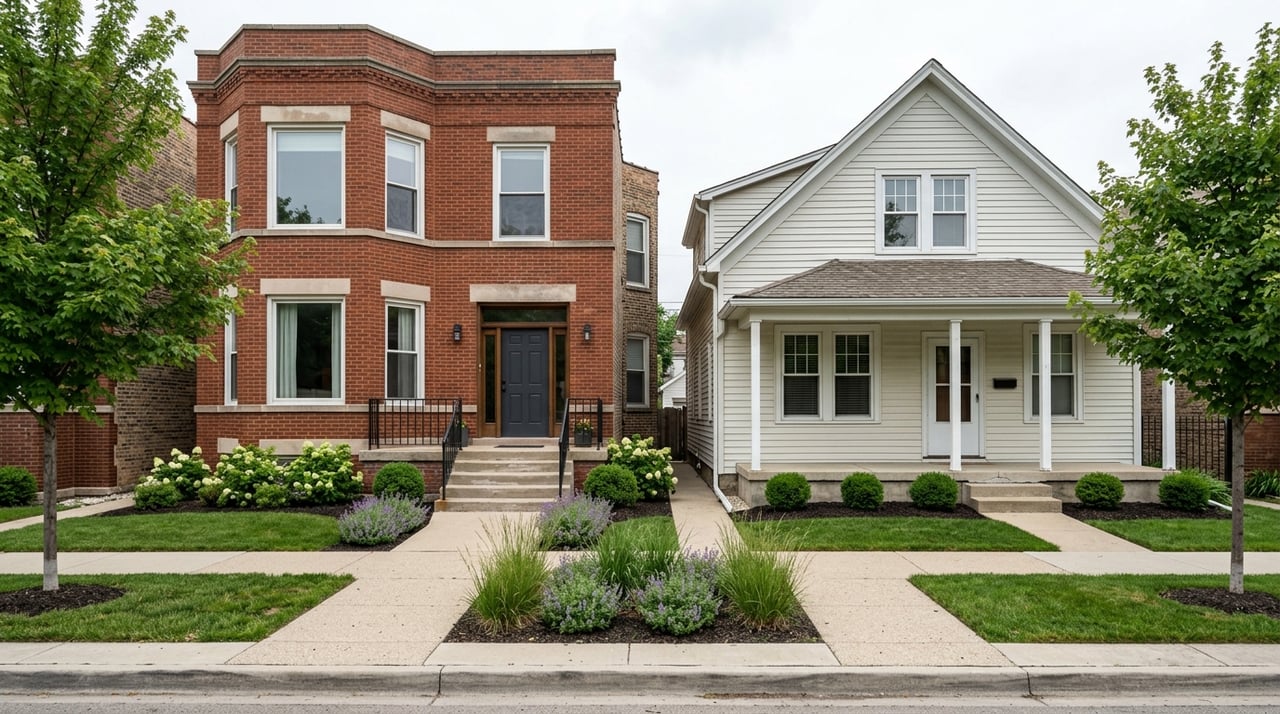
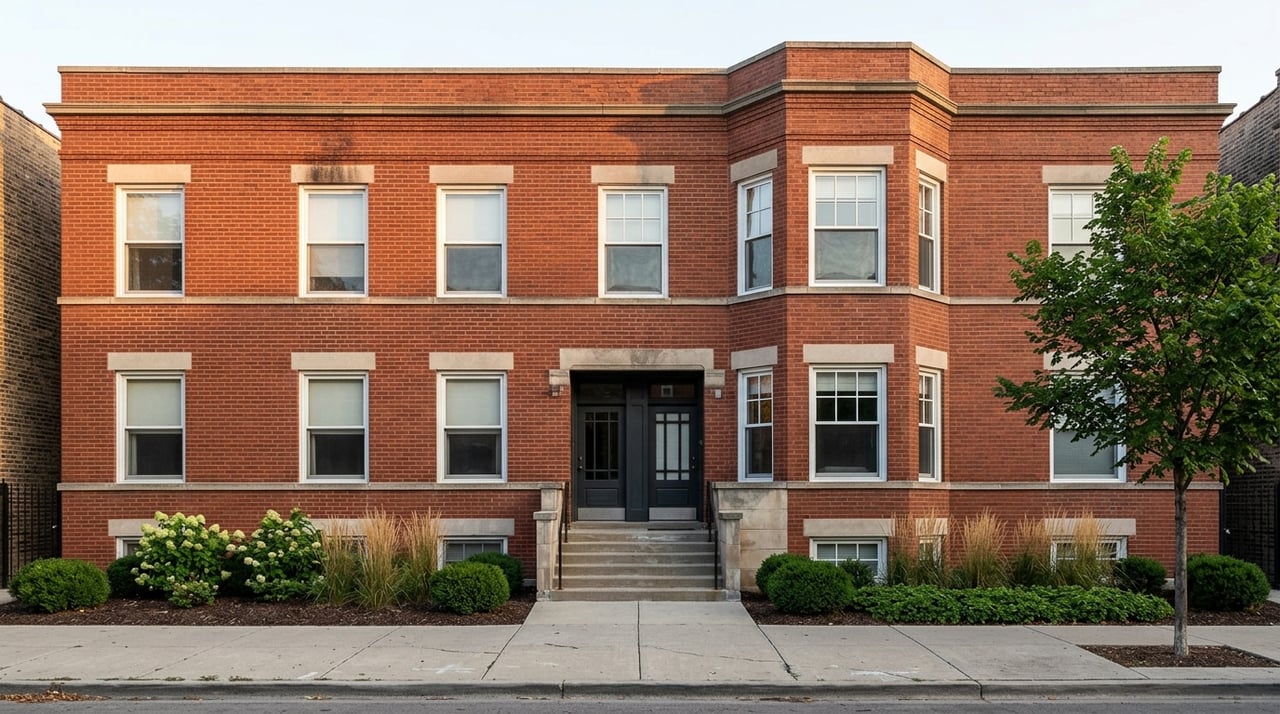
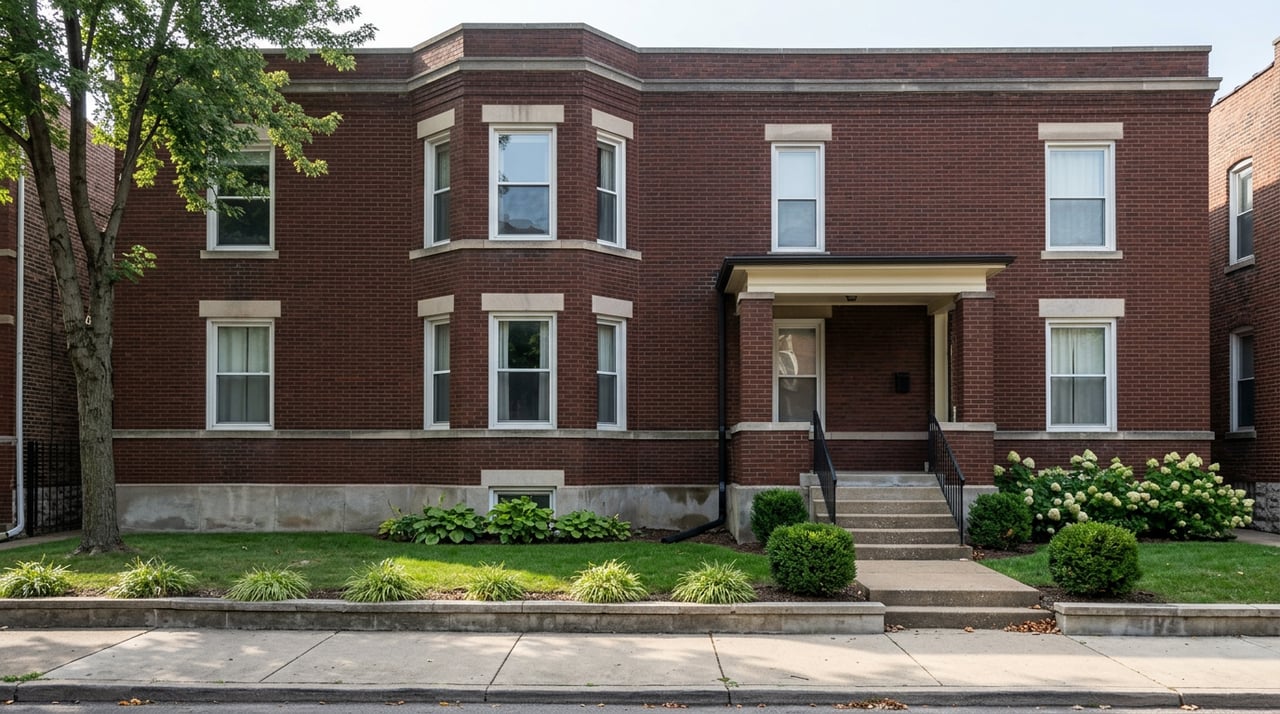
House hacking means you buy a small multi‑unit building, live in one unit, and rent the other. On the South Side, that often means a brick two‑flat built in the late 19th or early 20th century with separate entrances, hardwood floors, and high ceilings. These 2–4 unit buildings are a key housing type across Bronzeville and parts of Hyde Park and have drawn attention from preservation and affordability advocates because the stock has been shrinking in some areas. You can expect character, solid masonry, and older systems that deserve careful inspection.
Why Hyde Park and Bronzeville work
Hyde Park sees steady, year‑round rental demand linked to the University of Chicago and nearby institutions. That stability supports predictable leasing cycles and a wide tenant pool. Bronzeville blends long‑time residents with active reinvestment and rehab, which can create renovation opportunities and localized rent growth. Your leasing strategy and acceptable rent will vary by block, building condition, and proximity to transit or campus.
Rents to expect right now
Use live comps for your exact building, but here is a current snapshot for context:
- As of February 2026, Zumper’s Hyde Park snapshot shows a median rent around $1,850 per month across unit types.
- In nearby South Side community areas that overlap Bronzeville, 1‑ and 2‑bed listings often range roughly $1,500 to $2,200 depending on size and rehab level.
Two‑flat rents vary widely by condition, layout, and location. Use a range rather than a single number, then test your assumptions against current listings and your agent’s comps.
How the numbers work with lenders
The 75 percent rule in practice
When lenders count projected rent from the unit you are not living in, they often use a vacancy and expense factor. A common approach is to count 75 percent of the market rent for qualifying if there is limited rental history. FHA’s handbook and many lender overlays follow this method for duplexes without established Schedule E income. You will document market rent through the appraisal’s rent schedule or leases. See FHA guidance in Handbook 4000.1 for details.
Illustrative example
- Purchase price: $400,000 (Hyde Park duplex example)
- You occupy Unit A; market rent for Unit B: $1,700 per month
- Lender counts 75 percent of rent: 0.75 × $1,700 = $1,275 per month
- If your projected mortgage payment (PITIA) is $2,200, the rental income can materially offset the monthly burden and may help you qualify for the loan
This is a simplified illustration. Lenders also consider your other debts, taxes, insurance, reserves, HOA dues if any, and vacancy risk. Always confirm your lender’s exact calculation in writing.
Budget for real‑world operating costs
Even if you self‑manage, plan for the following:
- Vacancy and turnover: budget 5 to 10 percent depending on tenant mix
- Repairs and maintenance: older two‑flats often need more ongoing work
- Property management: around 10 percent if you hire a manager
- Capital expenditures: roof, boiler, windows, and exterior masonry
- Reserves: lenders may require several months of PITIA when using rental income
Financing options for a two‑flat
Owner‑occupant programs allow you to buy 2–4 units and live in one unit. The rules differ by program and lender.
| Program | Minimum down | Can rent count to qualify | Occupancy rule | Key notes |
|---|---|---|---|---|
| FHA | Typically 3.5% (credit and limits apply) | Yes, often 75% of market rent with documentation | Move in within about 60 days and intend to occupy ~1 year | County loan limits are higher for 2–4 units. Duplexes are not subject to FHA’s self‑sufficiency test. See HUD limits and FHA Handbook. |
| VA (eligible veterans) | Often 0% down for eligible borrowers | Yes, per VA and lender rules | Typically occupy within 60 days, ~12 months expected | Attractive financing and VA appraisal standards. Talk to a VA‑approved lender. See VA loan types. |
| Conventional (Fannie/Freddie) | As low as 5% down for some owner‑occupied 2–4 unit scenarios, subject to DU and lender overlays | Yes, per guide rules with leases or appraiser rent schedule | Owner‑occupy as primary residence | Lenders may require reserves. See Fannie’s rental income guide and recent 2–4 unit LTV updates. Fannie Guide and overview of 95% options here. |
Notes you should know:
- Appraisal and forms: 2–4 unit properties generally use the Small Residential Income Property Appraisal Report (Form 1025). The appraiser includes a market rent schedule that your lender uses in underwriting.
- FHA self‑sufficiency test: applies to triplexes and four‑plexes. Duplexes are not subject to this pass or fail test.
- Document early: clarify whether your lender will use leases, appraisal rents with a 75 percent factor, or Schedule E history.
Taxes and legal rules that matter in Chicago
Federal rental taxes and depreciation
If you rent one or more units, you will report rental income and deductible expenses on IRS Schedule E. Many owners also depreciate the rental portion of the property over 27.5 years using MACRS straight‑line. When you live in one unit and rent the other, your CPA will allocate expenses like mortgage interest and real estate taxes between personal and rental use. Review examples in IRS Publication 527.
Cook County homeowner exemption
If you occupy the property as your primary residence, you may qualify for the Cook County Homeowner Exemption, which reduces the Equalized Assessed Value by $10,000. This can lower your tax bill after you file the initial application. Learn more on the Cook County Assessor’s site.
Chicago RLTO compliance
Inside Chicago, the Residential Landlord and Tenant Ordinance sets strict rules for security deposits, required summaries, habitability, notices, and access. Security deposit handling and interest are common pitfalls, and penalties can be significant. Review a plain‑English overview of RLTO essentials here and make sure your lease package is compliant.
Lead‑based paint for older two‑flats
Many two‑flats were built before 1978. Federal rules require a lead‑based paint disclosure and distribution of EPA or HUD lead information to buyers and tenants. If you plan renovations, use lead‑safe contractors.
Transfer taxes at sale
When you eventually sell inside Chicago city limits, expect layered transfer taxes from the city, county, and state. Ask your title company or attorney for a current estimate early in your exit planning.
A clear due‑diligence checklist
Use this list to move from interest to offer with fewer surprises:
- Get pre‑approved and confirm program fit. Ask whether the lender will count rental income and which method they use. Request the appraisal form type up front.
- Run rent comps for each unit. Use current listings and the appraiser’s rent schedule to support your underwriting.
- Inspect with an eye on big‑ticket items. Prioritize roof, boiler or HVAC, electrical panels, plumbing, moisture intrusion, and potential lead issues.
- Verify zoning and unit legality. Confirm certificate‑of‑occupancy status and check for open building code violations.
- Review current rent roll and deposits. If buying with tenants, obtain written proof of security deposits and lease dates.
- Use a compliant lease. Ask for a Chicago RLTO‑aligned lease and required disclosures.
- Budget reserves. Hold at least 6 to 12 months of operating reserves for vacancy and repairs.
- Check property tax status. Confirm whether the homeowner exemption is applied and whether it will change if you later convert both units to rentals.
What to ask your lender, accountant, and attorney
Five smart lender questions
- Which programs can I use for a 2‑unit owner‑occupant purchase and what are the down payment and reserve requirements?
- How will you count rental income from the other unit and what documentation do you need?
- Do you have overlays on credit score, debt‑to‑income ratio, or reserves for 2–4 units?
- Which appraisal form will you order and will it include a market rent schedule?
- What is the expected timeline from offer to clear to close for a 2‑unit with rental income?
See FHA’s rules in Handbook 4000.1 and program limits on HUD’s site. Veterans should also review VA loan types. Conventional buyers can study Fannie’s rental income rules here.
Five smart accountant questions
- How should I allocate mortgage interest, taxes, utilities, and insurance between personal and rental use?
- What will my Schedule E look like in year one including 27.5‑year depreciation on the rental portion?
- How do repairs vs. improvements affect my taxes and timing of deductions?
- If I later convert my unit to a rental, how will that affect basis and depreciation?
- Should I own in my name or an entity, and what are the tradeoffs given owner‑occupied loan rules?
Reference IRS Publication 527 as a starting point for rules and examples.
Five smart attorney questions
- Are both units legal and free of open building code violations or permit issues?
- Are existing leases enforceable and are security deposits documented correctly under RLTO?
- What disclosures are required for pre‑1978 buildings and any known hazards?
- What is the typical eviction timeline in Chicago and how do RLTO protections apply?
- Are there landmark or historic district rules that affect exterior work in parts of Hyde Park?
Your first 30 days from idea to offer
- Week 1: Get pre‑approved and clarify rent counting, down payment, reserves, and appraisal requirements.
- Week 2: Tour candidate two‑flats, pull rent comps, and estimate a conservative pro forma using the 75 percent rule.
- Week 3: Offer with inspection and attorney review contingencies. Order a detailed home inspection.
- Week 4: Complete appraisal and lender conditions. Prepare RLTO‑compliant lease forms and lead disclosures for post‑close.
Ready to house hack in Hyde Park or Bronzeville?
If you want clear guidance, strong negotiation, and a plan that balances numbers with neighborhood nuance, you are in the right place. As a veteran‑led team with deep Chicago multi‑unit experience and VA expertise, The Jerry Cox Group can help you stress‑test the deal, line up financing, and tour the best two‑flats for your goals. Request a Tour today and let’s get you set up for a smooth house hack.
FAQs
What does house hacking a two‑flat in Hyde Park or Bronzeville mean?
- You buy a 2‑unit building, live in one unit, and rent the other to offset your mortgage and build equity over time.
How much of the rent can my lender count when I buy a duplex?
- Many lenders use 75 percent of market rent for the non‑owner unit when there is limited rental history, documented via the appraisal’s rent schedule or leases. See FHA’s guidance in Handbook 4000.1.
What are typical Hyde Park and Bronzeville rents in 2026?
- As of February 2026, Hyde Park’s median rent is about $1,850 across unit types, while many 1‑ and 2‑beds in Bronzeville‑adjacent areas list roughly $1,500 to $2,200 depending on condition. See Zumper’s Hyde Park snapshot.
Can I use a VA loan to buy a two‑flat in Chicago?
- Yes, eligible veterans can use VA financing on up to 4 units if they occupy one unit. Rental income can often help you qualify under VA and lender rules. Review VA loan types.
Do Chicago RLTO rules apply if I live in one unit?
- Yes. RLTO requirements cover most residential rentals in the city, including owner‑occupied two‑flats, with strict rules for deposits, notices, and disclosures. See an overview here.
How does the Cook County Homeowner Exemption affect a two‑flat?
- If you occupy the property as your primary residence, the Homeowner Exemption can reduce the property’s EAV by $10,000, which may lower taxes. Start with the Assessor’s guidance.