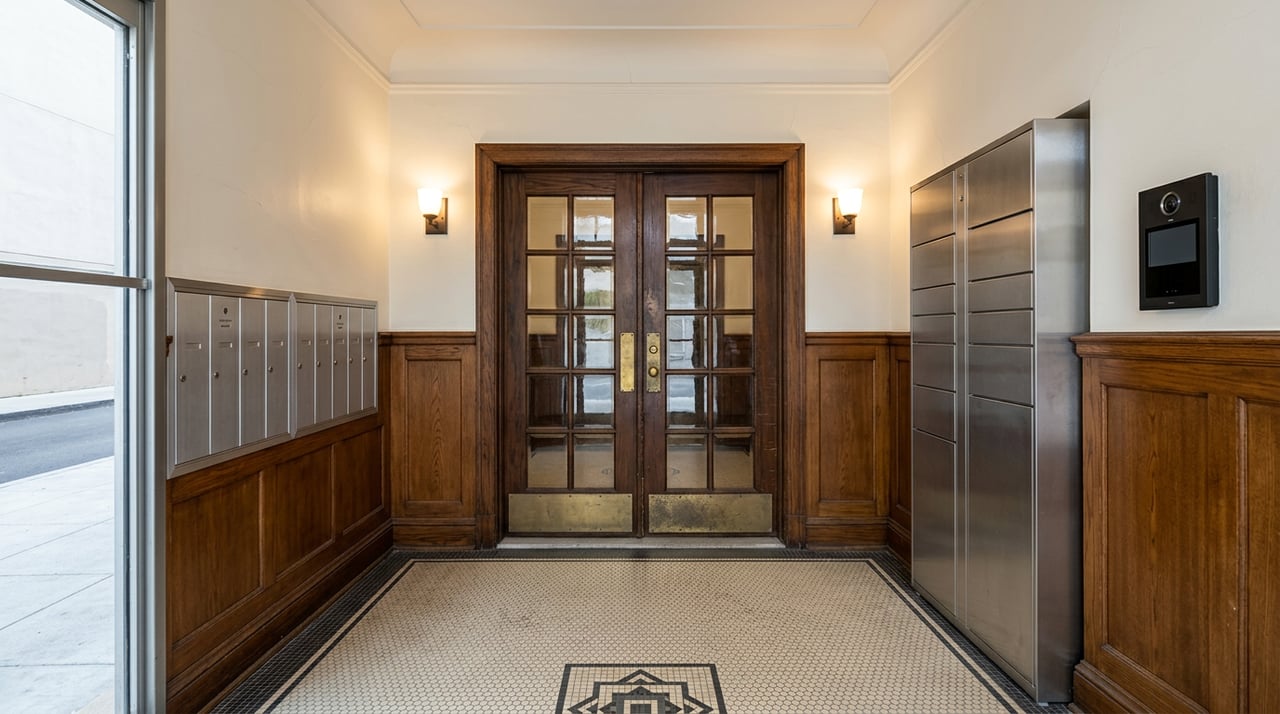
Love the warmth of original millwork but want the convenience of in‑unit laundry and a garage spot? You’re not alone. In Andersonville and Edgewater, you can choose between vintage charm and newer comfort on almost the same blocks. This guide breaks down the real differences in layouts, finishes, amenities, monthly costs, and long‑term upkeep so you can buy with confidence. Let’s dive in.
Your local backdrop: Andersonville and Edgewater
Andersonville centers on Clark Street’s historic commercial corridor, while Edgewater stretches from the lakefront high‑rises to inland walk‑ups. For a quick sense of place, the Edgewater Historical Society explains the area’s layered, pre‑war and mid‑century fabric.
Recent neighborhood reports show Andersonville’s median sale prices trend higher than Edgewater’s. The gap mainly reflects different building types and amenity mixes across the two areas. Use this as a reminder to compare apples to apples by building era, location, and HOA profile.
Vintage condos: what you get
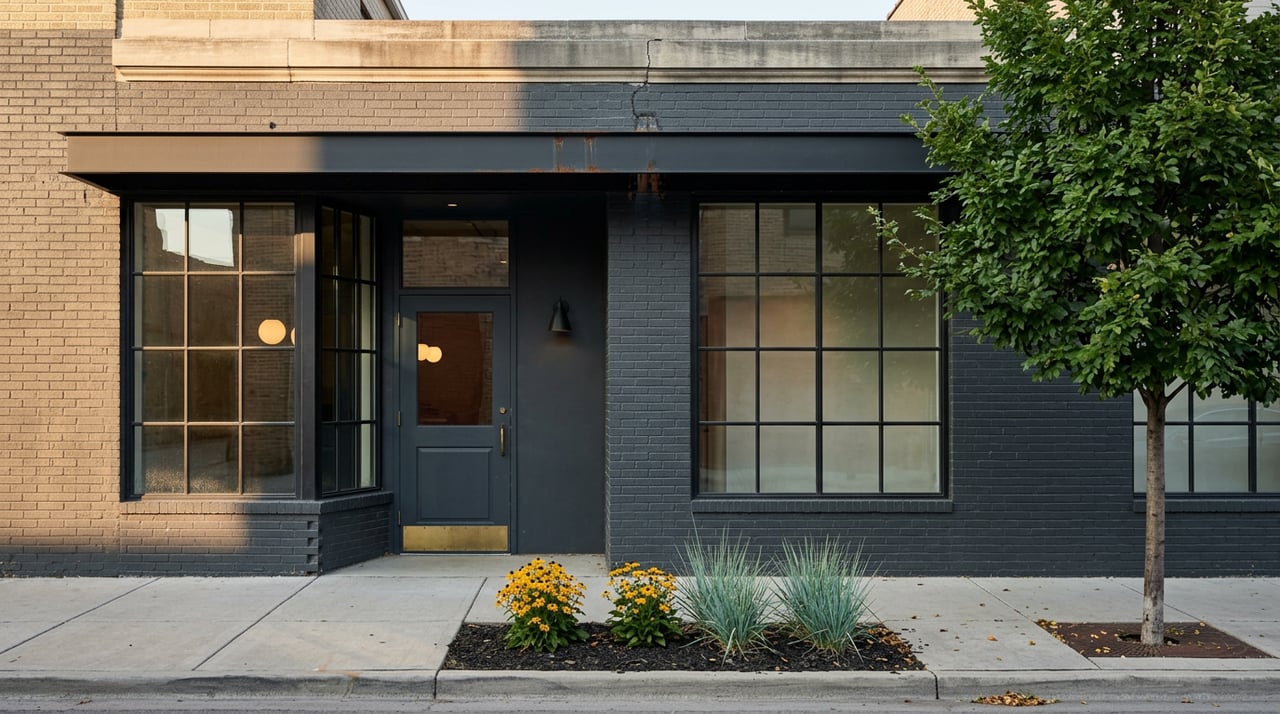
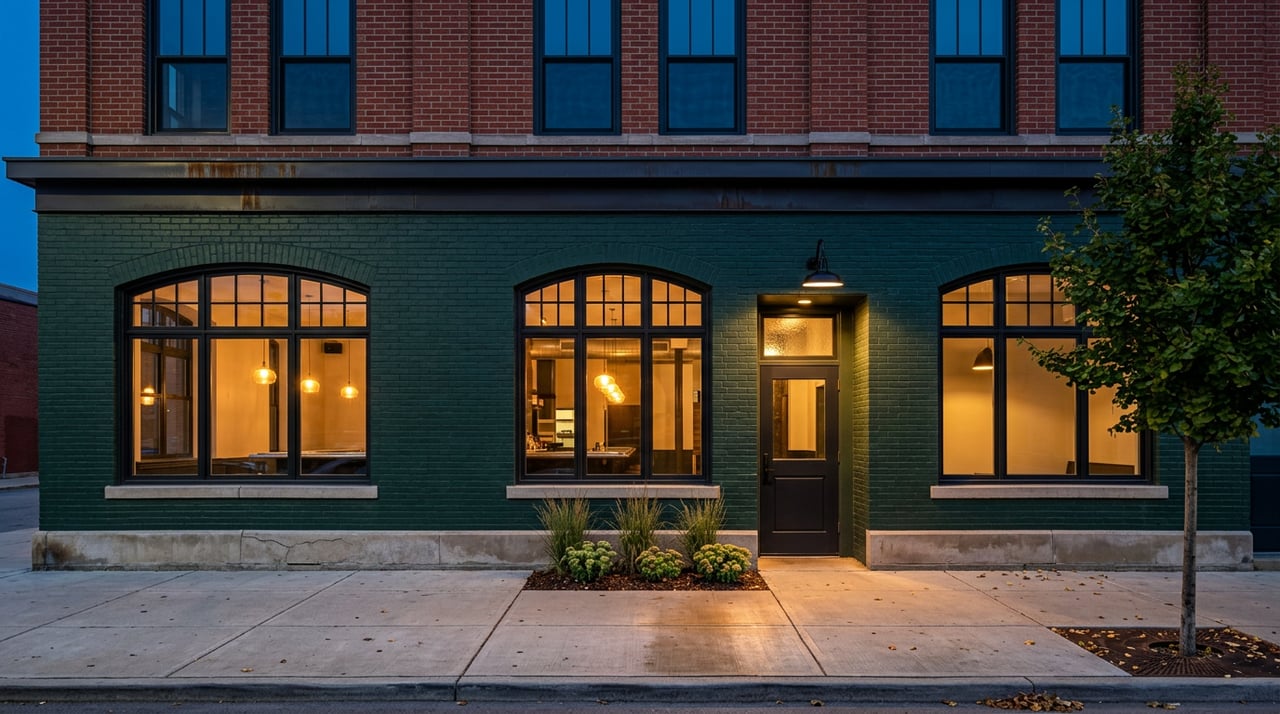
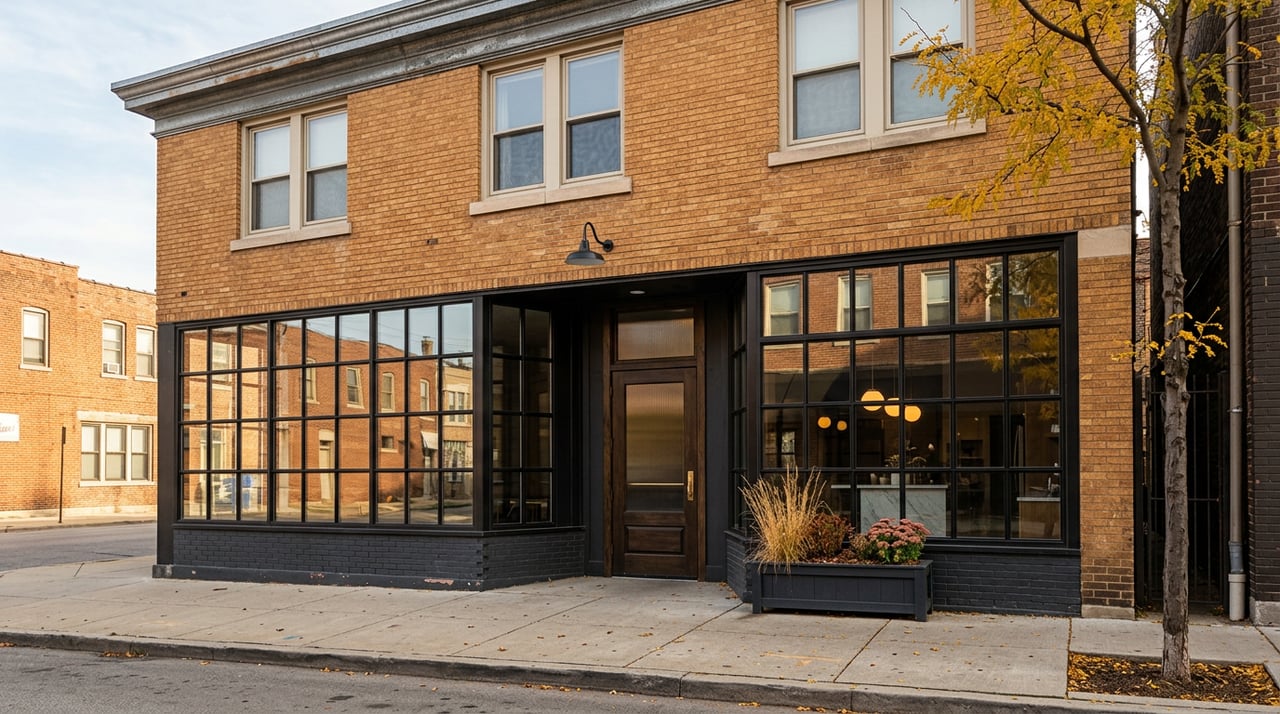
Pre‑war and mid‑century buildings in Andersonville and Edgewater often feature tall windows, detailed moldings, and real hardwood floors. Floor plans lean toward defined rooms, with separate living and dining areas and a more compact kitchen.
You’ll frequently see radiator heat supplied by a central boiler. These systems can be reliable and comfortable. Still, your due diligence should include questions about boiler age, service history, and efficiency upgrades.
Amenities in smaller vintage buildings are usually modest: shared laundry, storage, and bike rooms. Monthly assessments can be lower, but big capital items like masonry or roof work may require special assessments if reserves are thin.
Newer condos: what you get
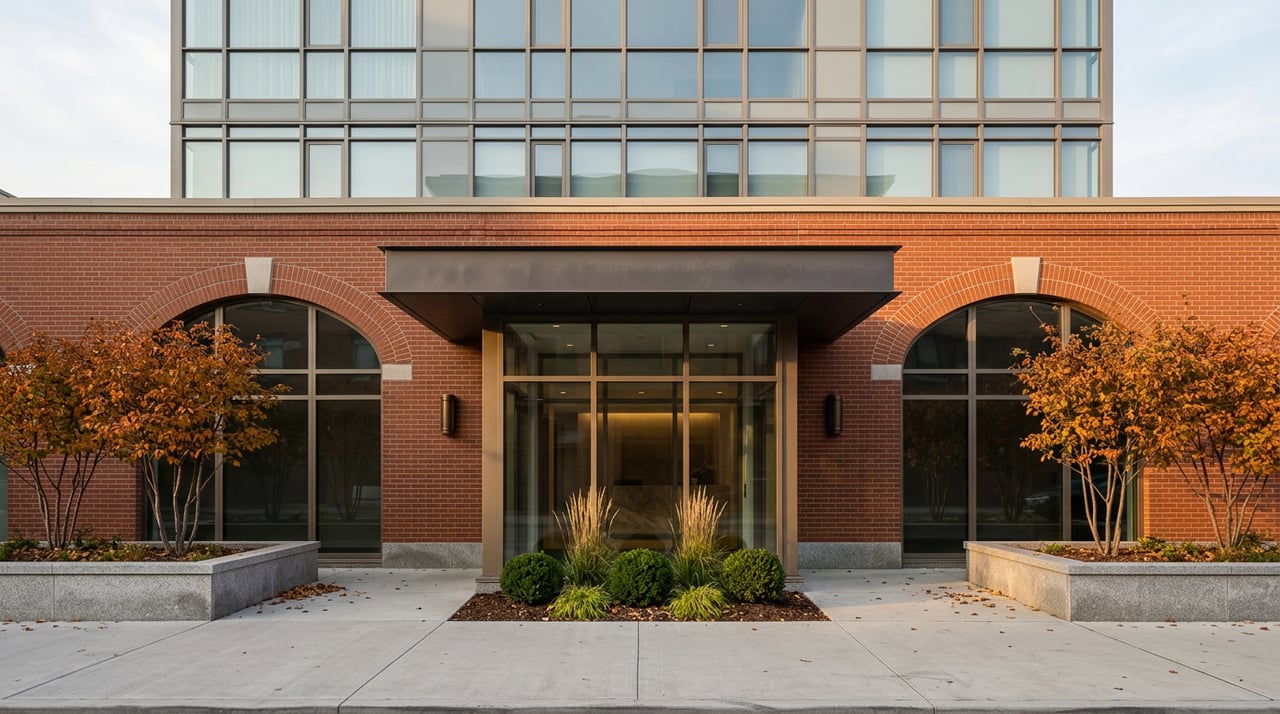
Newer construction in the area tends to emphasize open‑concept living, larger kitchens with islands, in‑unit laundry, central HVAC with air conditioning, and modern windows. Private outdoor space, elevator access, deeded parking, and secured package rooms are common.
Buildings with more amenities often have higher monthly assessments, reflecting the cost of maintaining fitness rooms, rooftops, elevators, and professional management. Many buyers like the predictability and convenience of modern systems and finishes.
Layouts and finishes: key differences
- Vintage layouts: Separate rooms, hallways, and classic proportions. Great if you want defined spaces for dining, work, or hobbies.
- Newer layouts: Open kitchens and living areas, consistent closet systems, and easier furniture flow.
- Vintage finishes: Plaster walls, original or refinished hardwoods, and older plumbing and electrical that may have been partially updated.
- Newer finishes: Contemporary lighting, engineered flooring, modern kitchens and baths, and double‑pane windows.
Amenities and assessments: the tradeoff to weigh
Amenity‑rich buildings add convenience and community spaces. They also cost more to operate, which shows up in HOA fees. Smaller vintage buildings may save you monthly, but reserves and capital plans become even more important.
Two key concepts to keep front and center:
- Monthly assessments cover operations and reserves.
- Special assessments fund large projects that exceed reserves.
When you’re under contract, Illinois law gives you access to disclosures that matter for budgeting. Learn what to expect in the Section 22.1 resale disclosure packet.
Maintenance risks by era: what to budget for
Knowing how buildings age helps you anticipate future costs.
Masonry and tuckpointing
Brick vintage buildings need periodic repointing and flashing work, especially at parapets, cornices, and lintels. The National Park Service’s guidance on repointing shows why proper mortar and skilled contractors matter. Ask for records of recent masonry work and permits.
Roofs and roof decks
Chicago multi‑unit buildings often use flat roofing systems like TPO, EPDM, modified bitumen, or built‑up roofing. Lifespans depend on materials and workmanship. The NRCA’s industry resources emphasize regular inspections and realistic replacement timelines. Request the roof’s install date, any warranty, and recent inspection reports.
Windows and energy performance
Pre‑war buildings may have original single‑pane windows. Inserts or full replacements can improve comfort and utility costs. ENERGY STAR guidance explains how better windows reduce heating and cooling losses. In historic districts, ask about any rules for like‑for‑like replacements.
Plumbing and Chicago service lines
Older condos may have cast‑iron stacks and legacy materials. Chicago also has a large inventory of lead service lines. Review the building’s water service status and any replacement plans. Local reporting on the city’s lead line replacement effort is a helpful starting point.
Electrical systems and safety
Some older buildings retain dated panels or wiring. The NFPA notes electrical failures are a leading cause of home fires. Ask for documentation of electrical upgrades, and have a licensed electrician review the unit panel and service capacity when in doubt.
Boilers and central heat
Many vintage associations heat with steam or hot‑water boilers and radiators. A well‑maintained boiler can last, but replacement is a major capital event. Review service logs and replacement timelines in the reserve study. For life‑expectancy context, see this boiler lifespan overview.
HOA and financing checks that protect you
Healthy association finances and project eligibility can make or break a deal.
- 22.1 disclosures: In Illinois, sellers provide a packet that summarizes the association’s financials, reserves, and known projects. Learn what’s included in the 22.1 resale disclosures.
- What to request: Budget, latest financials, reserve study, board minutes, insurance declarations, special assessment history, and project timelines. This owner handbook summary outlines key documents.
- Loan program eligibility: FHA, VA, and many conventional loans review the condo project’s owner‑occupancy, reserves, insurance coverage, and litigation. Get clarity early if you plan to use one of these programs. Here’s a plain‑English primer on FHA condo eligibility.
Who usually prefers each option
- You may prefer vintage if you prize historic character, taller ceilings, and defined rooms, and you’re comfortable budgeting for envelope and system upgrades over time.
- You may prefer newer if you prioritize in‑unit laundry, elevator access, dedicated parking, modern HVAC, and amenity spaces, and you’re comfortable with higher monthly assessments.
Both paths can be smart buys. The right choice depends on your lifestyle, budget, and appetite for ongoing maintenance vs. monthly fees.
Quick due‑diligence checklist
Use this list as you compare buildings:
- Ask for the full 22.1 resale packet and verify reserve balances, upcoming projects, and any special assessments. Review the CAI‑IL summary of 22.1.
- Review the association’s budget, most recent financials, reserve study, and contribution method. The IL HOA owner handbook is a useful reference.
- Read the last 6–12 months of board minutes for red flags like deferred maintenance, delinquencies, litigation, or developer control.
- Verify dates and permits for roof, masonry/tuckpointing, window replacements, boiler or HVAC upgrades, and any elevator work.
- Confirm master insurance coverage and deductibles, then align your HO‑6 policy appropriately.
- Check for any special assessments, their timelines, and payment options.
- For Chicago addresses, ask about the building’s water service line status and any lead line replacement plans; request water test results if available. See local lead‑line coverage.
- Get mechanical ages and maintenance logs; consider a building‑level engineer or specialty inspections for vintage/mid‑century assets.
- Inspect the unit’s electrical panel, plumbing, window operation, ventilation, and any signs of water intrusion; bring in licensed trades for any red flags.
- Confirm project eligibility early if you plan to use FHA or VA financing. A quick check saves time. See FHA condo basics.
How to decide with confidence
- Rank your must‑haves: in‑unit laundry, parking, elevator, outdoor space, or historical character.
- Compare two or three buildings side by side on monthly assessment, reserves per unit, and the next two big capital projects.
- Estimate 3–5 year costs by adding your mortgage, taxes, assessments, and any known special assessments.
- Walk the block at different times, ride the elevator, test the windows, and listen for noise. Lived experience matters.
When you balance lifestyle needs with real numbers, the “vintage vs newer” choice becomes clear.
Ready to compare homes in person?
If you want a local, advocacy‑first approach to weighing these tradeoffs, we’re here to help you line up the right tours and analyze HOA docs before you commit. Connect with The Jerry Cox Group to Request a Tour and get a side‑by‑side comparison tailored to your goals.
FAQs
What defines a vintage condo in Andersonville or Edgewater?
- Typically pre‑war or mid‑century buildings with classic details, defined rooms, radiator heat, and older envelopes that may need masonry, roof, or window work.
Are monthly HOA fees always lower in vintage Chicago buildings?
- Not always; small vintage buildings can have lower fees, but limited reserves may lead to special assessments for big projects like roofs or tuckpointing.
What inspections matter most for older brick buildings?
- Ask for roof and masonry records, review reserve studies, and consider a building‑level engineer; check windows, electrical, plumbing, and any signs of water intrusion.
How do amenities in newer buildings affect my budget?
- Elevators, gyms, rooftops, and on‑site management add convenience and typically raise monthly assessments due to higher operating and maintenance costs.
Can I use a VA loan to buy a condo here?
- Yes, if the condo project meets VA or agency eligibility standards; confirm project status early to avoid delays and financing surprises.
Do historic districts limit window replacements in vintage units?
- Some projects require like‑for‑like replacements to maintain exterior appearance; ask the association for past permits and any local rules before planning upgrades.