Condo or house — which fits your life in Evanston right now? If you are a first-time buyer weighing space, budget, and commute, the choice can feel overwhelming. You want a home that supports your goals without stretching your monthly costs. In this guide, you will see how Evanston’s condo and single-family markets compare on price, ongoing costs, lifestyle, and financing. Let’s dive in.
Evanston market at a glance
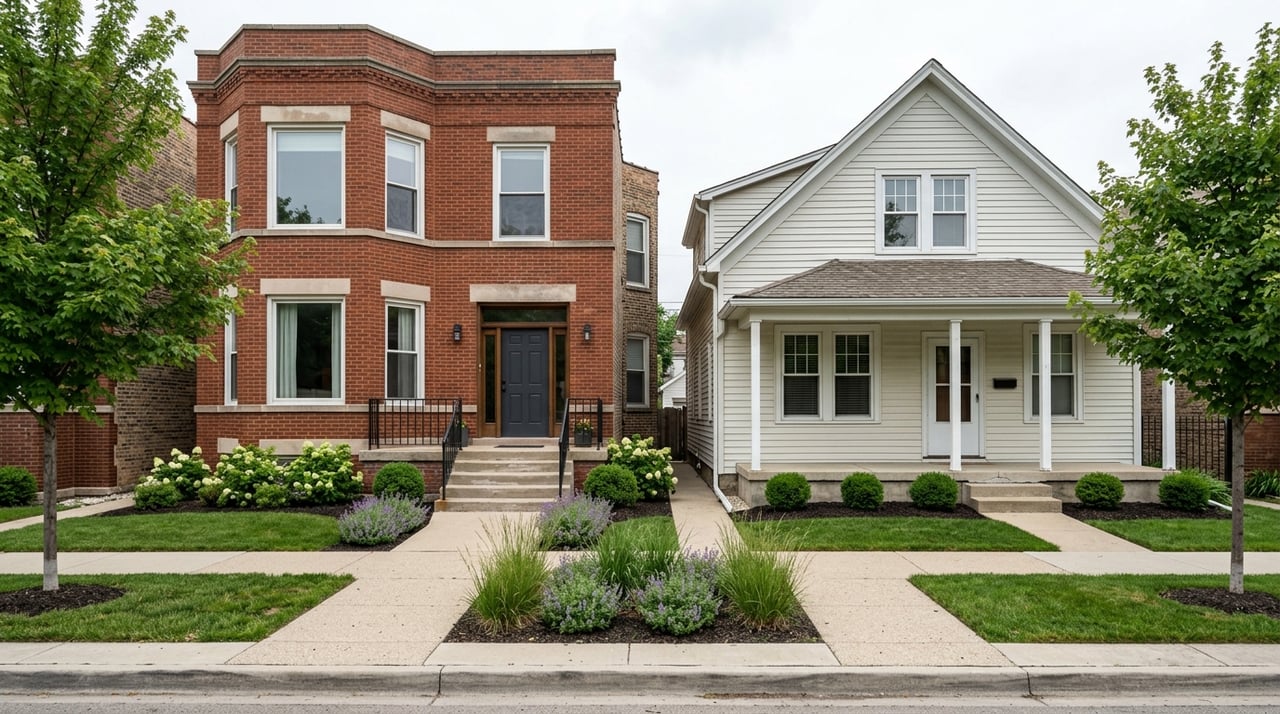
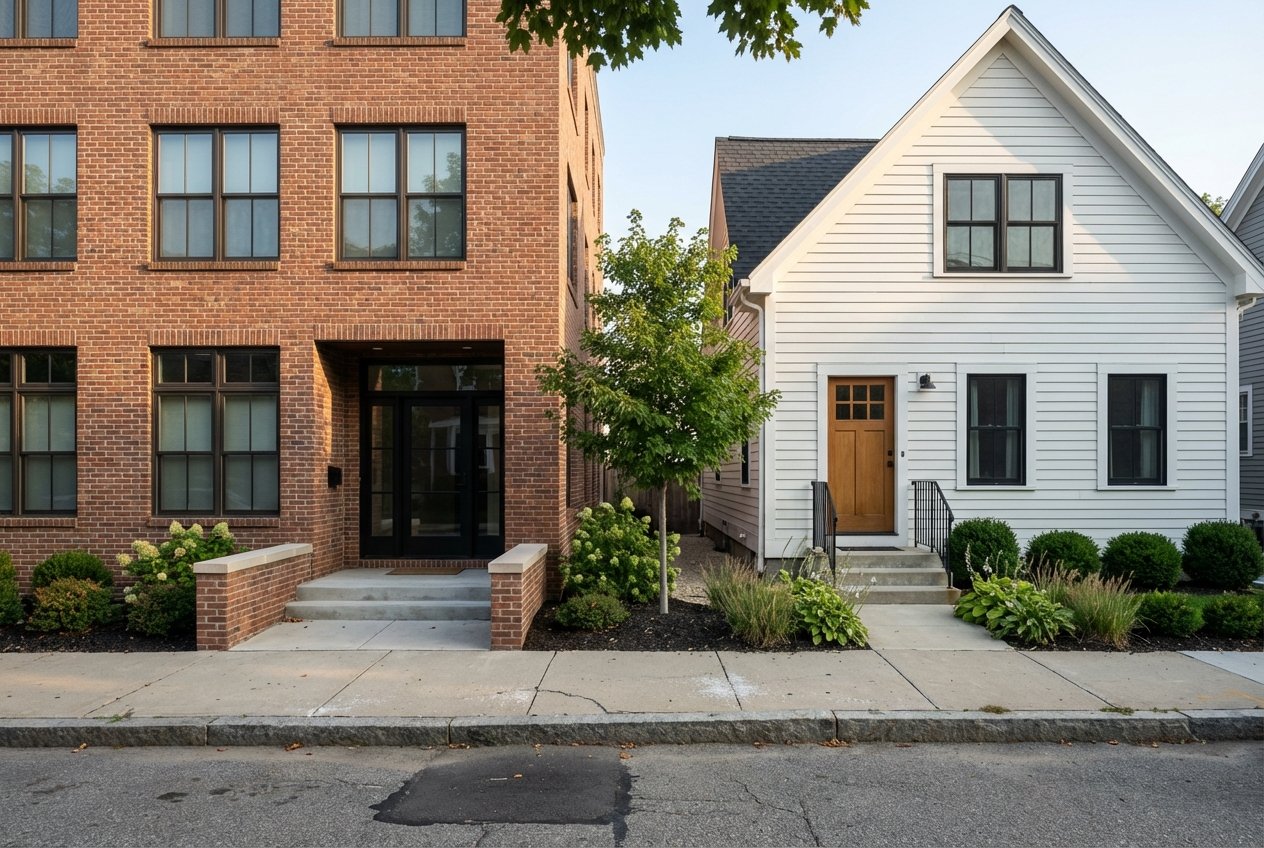
Evanston’s market shows a clear split between attached and detached homes. As of January 2025, local updates reported a median of about $889,000 for detached single-family homes and about $362,000 for attached homes like condos and townhomes. Citywide, the typical home value sat near $450,000 in late 2025. These numbers shift month to month, so use them as a guidepost and pair them with a current preapproval.
Neighborhood patterns matter. Downtown and near Davis Street, you will see more condo options and lower entry prices compared with lakefront areas. Along the lakeshore and in North Evanston, many single-family homes command premium prices. West and South Evanston often offer the most approachable pricing for detached homes. Your budget and commute priorities will help narrow the map quickly.
Cost to own: what changes monthly
HOA fees for condos
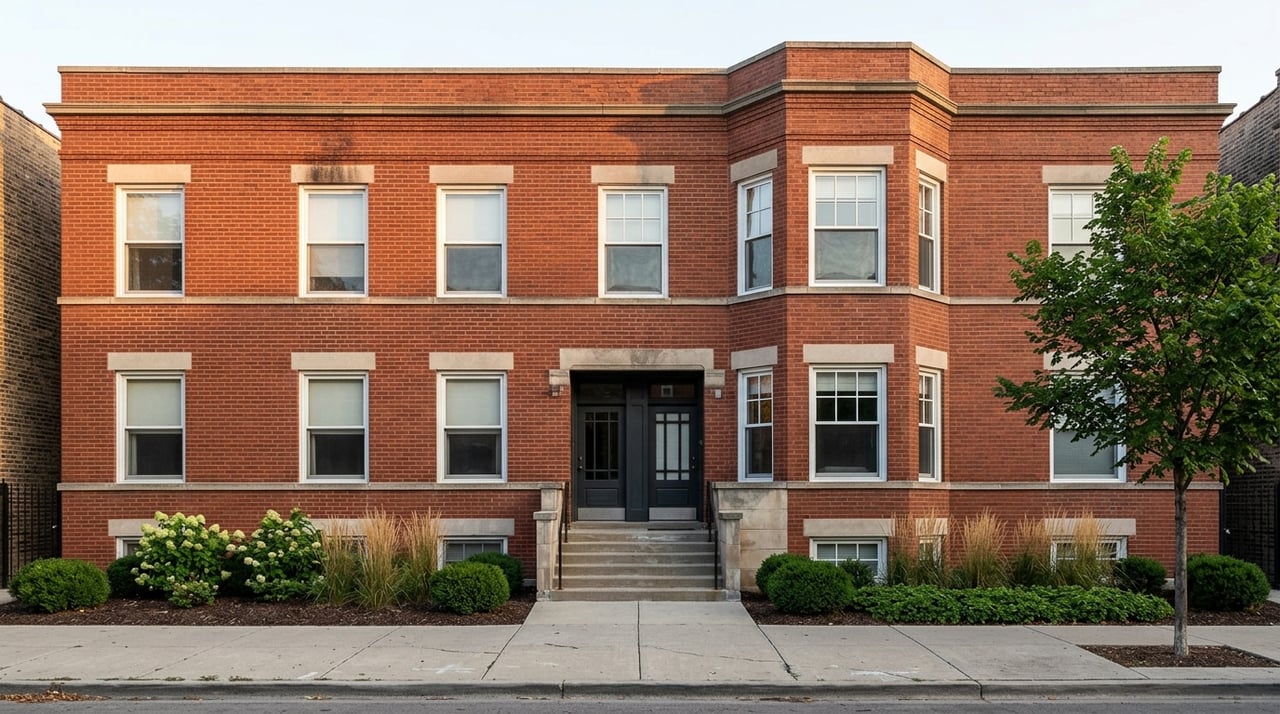
Condo dues vary by building age, services, and whether utilities are included. In Evanston, you will typically see monthly HOA fees from about $100 to $700 or more, with many elevator buildings falling in the $200 to $500 range. These dues often cover exterior maintenance, roof, common areas, landscaping, snow removal, building insurance, trash, and sometimes heat or water in older buildings. That is why condos can feel “lock and leave.” For context on what HOA fees usually include, review this overview of association services from lenders like Freedom Mortgage and local fee variability explained by IndexYard.
Tip: Evanston listings commonly show assessments in the $300 to $700 range for mid-rise buildings with amenities. Always verify what the monthly assessment includes and whether any increases are planned.
Property taxes in Evanston
Property taxes are a significant part of your monthly payment. A recent local analysis showed a median tax bill around $10,900 for a median-valued property, though the actual bill depends on assessed value, exemptions, and the county’s reassessment cycle. You can read a helpful explainer on how local bills work from the Evanston RoundTable.
To estimate your own payment, many analysts peg Evanston’s effective rate near about 2.0 percent of market value. For a quick back-of-the-napkin check, multiply price by 2 percent, then divide by 12. Learn more about local effective rates from Ownwell’s Evanston page.
Insurance: condo vs house
- Condos: You typically carry an HO-6 policy for interior finishes and personal property. The building’s master policy covers the structure and common areas. Ask for the master policy summary and deductible. See a clear comparison from Amica.
- Single-family homes: You typically buy a homeowners policy that covers the entire structure, detached structures, personal property, and liability. It often costs more than an HO-6 because it insures the whole building. Learn the basics from Lemonade’s guide.
Maintenance and reserves
- Houses: Budget for ongoing upkeep and capital projects. Many homeowner guides suggest setting aside 1 percent to 4 percent of your home’s value per year for maintenance, leaning lower for newer homes and higher for older ones. See guidance from Fannie Mae’s YourHome.
- Condos: The association handles exterior work, but you share the cost through dues and, at times, special assessments if reserves are low. Lenders often review reserves and building health during underwriting. See how condo project reviews work in Fannie Mae’s Selling Guide overview.
Lifestyle trade-offs in Evanston
Why a condo might fit
- Lower yard and exterior maintenance. Landscaping, snow removal, and exterior repairs are handled through HOA dues. Get a sense of typical coverage in this HOA fee overview.
- Walkable locations. Many condo buildings cluster near Davis, Main, and Central corridors, close to coffee, dining, and transit.
- Amenities. Some buildings offer fitness rooms, door staff, or pools. You pay for these through dues, so confirm what you will actually use.
Potential challenges: Monthly dues, building rules on pets or rentals, and the risk of special assessments. Financing can be more complex in buildings with weak reserves or pending litigation. See a plain-English summary of common HOA considerations from Base HOA.
Why a house might fit
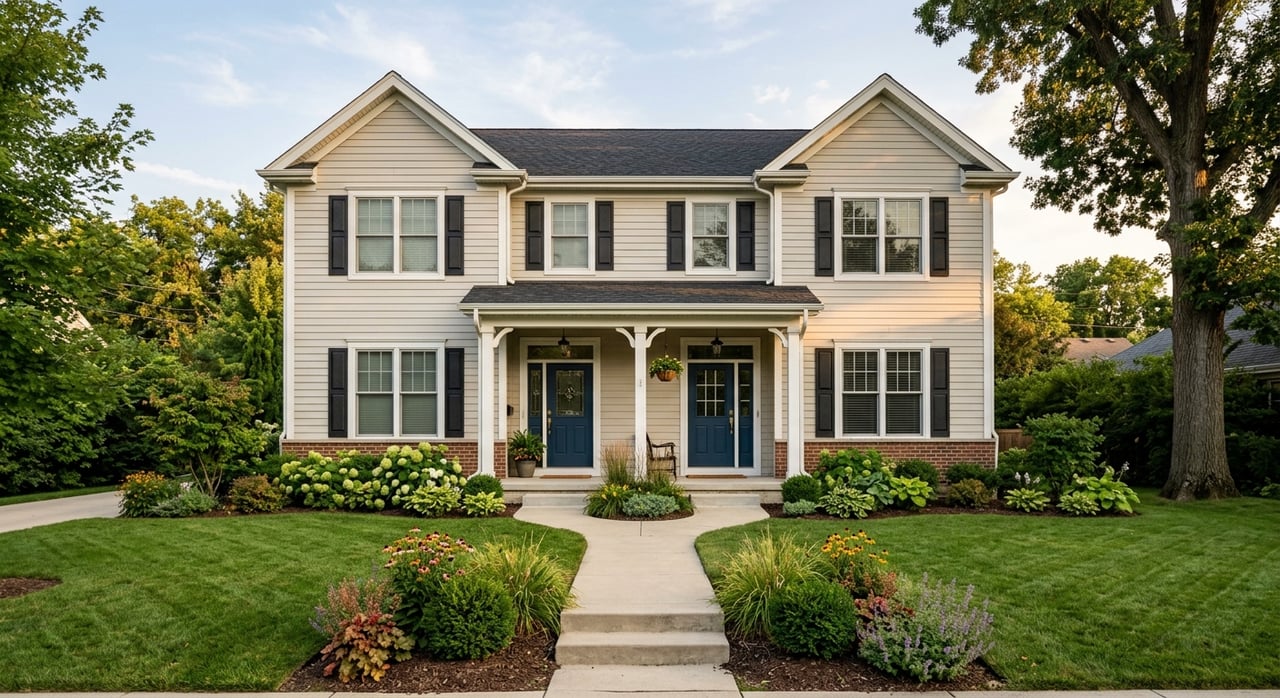
- Private outdoor space. Yards and patios invite gardening, grilling, or play.
- More freedom to renovate. You decide timing and scope with fewer building rules.
- Simpler property underwriting. Lenders focus on the home itself rather than a condo project approval.
Potential challenges: You handle all exterior maintenance, snow removal, and capital repairs. Budget thoughtfully for big-ticket items. For a quick refresher on annual maintenance planning, see Fannie Mae’s budgeting guide. For a direct comparison of property types, this glossary from TurboHome is a useful primer.
Commute and lake access
Evanston is well served by rail. The CTA Purple Line stops at Central, Davis, and Main. Metra’s UP-North line stops at Davis Street, Main Street, and Central Street. Many downtown condos are a short walk to stations, while single-family options farther west or north may involve a 10 to 30 minute walk or a quick drive. Explore the Davis CTA station details on the CTA’s page.
For the lakefront, locations near Sheridan Road or Lakeshore drive corridors bring beaches and parks closer to your daily routine. You can learn about beaches and passes from the City of Evanston’s overview. Lake adjacency often commands a premium, especially for single-family homes on the north and lakeshore side.
Financing and condo approvals
If you plan to use FHA financing, ask whether the building is FHA approved or eligible for a single-unit approval. You and your lender can check the official list using HUD’s condo lookup tool.
For conventional loans, lenders follow Fannie Mae’s project review standards. They may ask for the HOA budget, reserve study, insurance declarations, a questionnaire, and recent meeting minutes. Reserves, delinquency rates, litigation, and insurance deductibles all factor into approval. See the structure of condo project reviews in Fannie Mae’s Selling Guide.
Using a VA loan for a condo? VA buyers follow a similar concept: the project typically needs to meet agency standards or get a unit-level path. Ask your lender early to avoid surprises and to confirm how HOA dues and any assessments affect your debt-to-income ratio.
What to review before you offer
For condos
- HOA budget and most recent financials
- Reserve study or documentation of reserve funding
- Master insurance policy and deductibles
- Board meeting minutes for 12 to 24 months
- Owner-occupancy and investor ratios
- Any pending or recent special assessments
- Any active or threatened litigation
These items tie directly to lender project reviews outlined by Fannie Mae’s Selling Guide.
For single-family homes
- Roof age and condition
- Foundation and drainage
- Sewer line and plumbing
- HVAC age and service history
- Electrical capacity and panel condition
- Driveway, walks, and exterior surfaces
For older homes, budget more toward the higher end of the 1 percent to 4 percent annual maintenance range. See Fannie Mae’s planning guide for a simple framework.
Quick decision checklist
- Get preapproved with a lender who underwrites condos and single-family homes.
- If buying a condo, request the resale package and questionnaire early.
- Read the reserve study and recent minutes with care.
- Build a line-item budget for taxes, insurance, HOA dues, and a repair reserve.
- Visit the property at different times to gauge noise, parking, and traffic.
- If using FHA or VA, confirm project eligibility up front. FHA buyers can start with HUD’s condo lookup.
Which is right for you?
Choose a condo if you prefer a lower-maintenance lifestyle, want to be near rail and downtown amenities, and value predictable monthly costs through HOA dues. Pick a house if you want private outdoor space, more control over renovations, and are ready to manage maintenance directly. In Evanston, many first-time buyers start in a condo near transit, then move up to a single-family home in West, South, or North Evanston as needs change.
Ready to compare live options by price, HOA dues, and commute time? Connect with The Jerry Cox Group for a tailored search, clear budgeting, and veteran-led advocacy through every step.
FAQs
What are typical Evanston condo HOA fees?
- Many buildings range from about $200 to $500 per month, with smaller or older walk-ups sometimes lower and amenity-rich buildings higher. Always verify what the fee covers and whether utilities are included.
How do Evanston property taxes affect my monthly cost?
- A simple estimate uses a 2.0 percent effective rate. Multiply price by 2 percent, then divide by 12. Local bills vary by assessed value and exemptions, as outlined by the Evanston RoundTable.
Is a condo or a house better for transit access in Evanston?
- Condos near Davis, Main, and Central often deliver the shortest walk to CTA Purple Line and Metra stations. Single-family homes farther from downtown may require a longer walk or a short drive.
Can I use FHA or VA to buy a condo in Evanston?
- Often yes, but the condo project must meet agency standards or get a unit-level approval. Check HUD’s condo lookup and ask your lender about project review and required documents.
What are condo special assessments and how do I spot them?
- Special assessments are extra charges for major repairs when reserves fall short. Review the reserve study, budget, meeting minutes, and any planned projects to understand the risk before you buy.
How much should I budget for house maintenance in Evanston?
- A common rule of thumb is 1 percent to 4 percent of the home’s value each year, leaning higher for older homes. Set aside funds for big-ticket items like roof, HVAC, and exterior work.