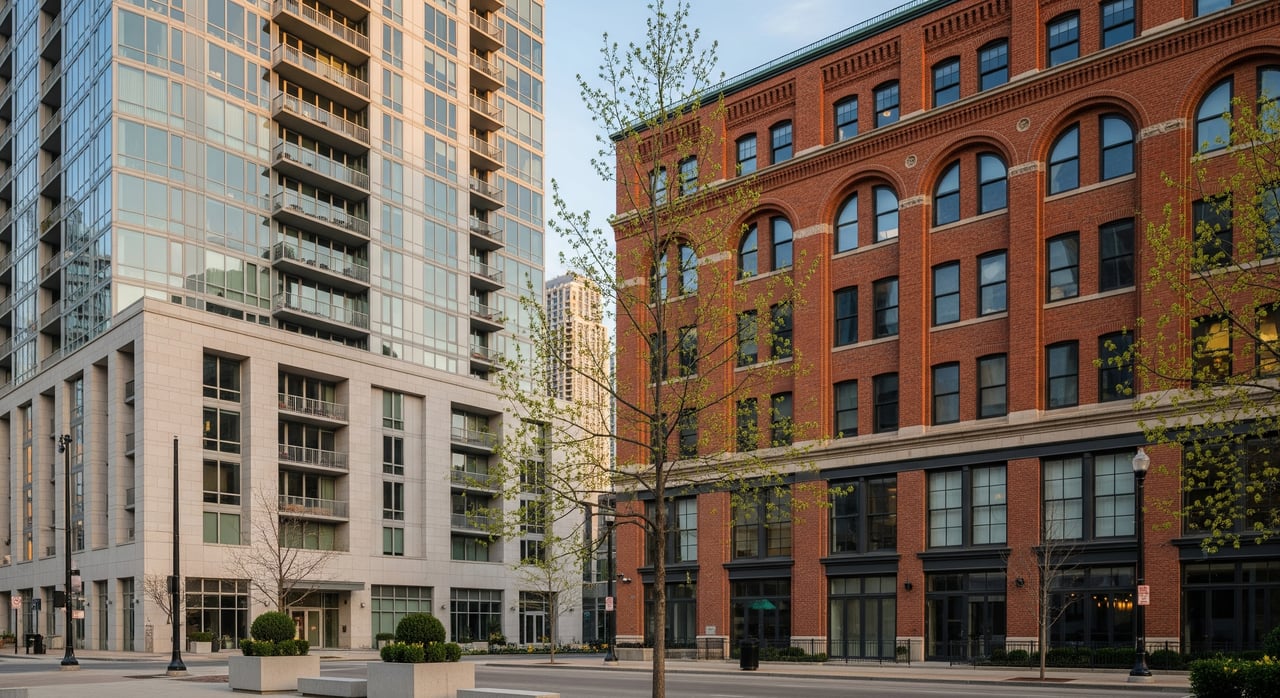
Are you torn between the shine of a new high-rise and the character of a historic loft in Chicago’s South Loop? You are not alone. The neighborhood offers both, often on the same block, and each option brings clear trade-offs in costs, amenities, financing, and long-term value. In this guide, you will learn the practical differences, what to inspect, and how to choose based on your goals. Let’s dive in.
South Loop snapshot
The South Loop sits just south of downtown and blends modern high-rises with historic buildings in areas like Printer’s Row and Motor Row. You will find easy access to Grant Park, the lakefront, museums, and multiple CTA lines, with Metra access nearby. This mix makes the area popular for both owner-occupants and investors who value convenience and urban energy.
New-build vs conversion: what they mean
New-build condos are designed and constructed from the ground up as condominiums. You typically see modern systems, current energy and accessibility standards, and builder warranties.
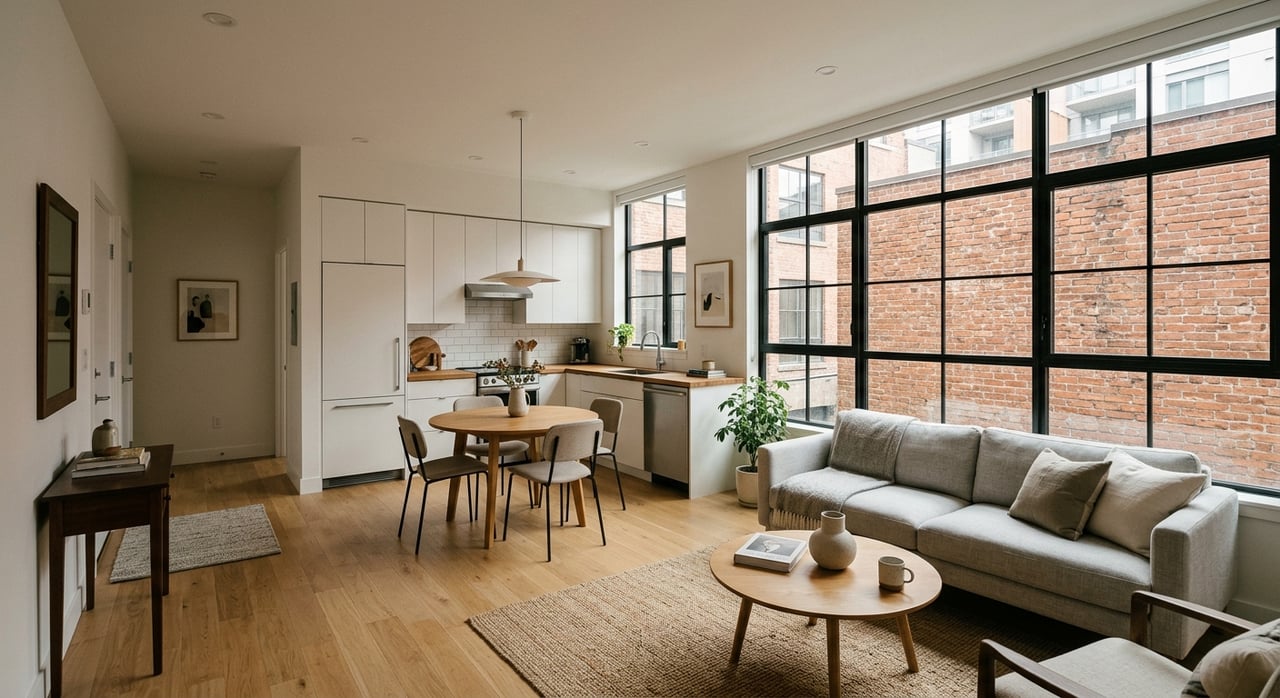
Conversion condos are units created by converting older buildings, often warehouses or historic commercial structures, into residences. In the South Loop, that often means loft features like exposed brick, timber beams, large windows, and taller ceilings. Some conversion buildings sit in or near historic districts, which can limit exterior changes.
Construction and layout
New-build strengths
- Built to current building codes and energy standards.
- More predictable systems for plumbing, electrical, and HVAC.
- Better sound separation and modern fire-safety systems such as sprinklers and alarms.
- Builder warranties on structure and systems for defined periods.
Conversion character and quirks
- Signature features like exposed brick, timber ceilings, and oversized windows.
- Systems may be older or retrofitted. Quality varies by project and era of conversion.
- Nonstandard floor plans, potential for limited closet space, and sometimes less soundproofing between units.
- Possible historic-preservation constraints for exterior work in landmark areas.
Amenities and lifestyle
New-build amenities
New construction often delivers robust amenity packages. You may find a staffed lobby or concierge, package rooms, fitness centers, and rooftop decks. These features add convenience and can support strong rental demand, but they also increase monthly HOA fees.
Conversion lifestyle
Conversions tend to offer fewer amenities, though some have added gyms or roof terraces during renovation. You may see leaner HOA budgets, which can keep fees lower, but reserves vary. The lifestyle tends to center on unique interiors and neighborhood streets, not large amenity suites.
Costs to compare
Purchase price and taxes
New-builds often command a premium price per square foot for newer finishes and amenities. Conversions can price lower per square foot, though iconic buildings and standout lofts may list higher. Property taxes depend on Cook County assessments. Newly developed projects and significant renovations can carry higher assessed values, while some conversions phase in assessments over time. Always review tax history and ask about any incentives that may apply to a specific property.
HOA dues and reserves
New-build associations budget for amenities and maintenance, yet initial reserve funding can be modest until the HOA matures. Conversion buildings may have older systems that need capital work sooner. Review the current budget, reserve study, and financial statements to assess whether reserves match upcoming needs.
Special assessments
Special assessments can occur in any building, but older conversions are more likely to face near-term capital projects such as roof, façade, or mechanical replacements. Ask for the history of special assessments and what projects are planned next.
Financing and insurance
Condo project approval
Loan eligibility can differ by building. Many large new developments are designed to meet conventional lending standards. Some conversions do not meet project approval standards right away, or they may fall short on owner-occupancy or reserve requirements. If you plan to use FHA or VA financing, ask your lender early about project approval and what documentation is needed. Lenders may require a minimum percentage of sold and occupied units.
Insurance coverage
Older buildings can have higher insurance costs. Compare the master policy to your unit owner responsibilities so you understand what is covered. New-build projects typically have clearer master policy coverage from the outset, but you should still verify scope and deductibles.
Legal and governance basics
The Illinois Condominium Property Act governs condo creation and association operations statewide. In Chicago, conversions and exterior work can trigger reviews by the Department of Buildings and, if a building is landmarked or in a historic district, the Landmarks Commission. It is smart to review the recorded condo declaration, bylaws, rules, and the plat of survey. These documents define rental limits, pet policies, assessment rules, and parking rights.
If a building was converted from rentals, there may have been tenant notice requirements at the time. Each project can set different initial governance terms, so read carefully and ask questions.
Resale value and marketability
New-build units attract buyers who want turnkey finishes and amenities, which can support healthy resale interest in high-demand locations. Keep in mind that new-construction premiums can ebb and flow with market cycles.
Conversions appeal to buyers who value distinctive spaces and historic character. Marketability depends on the quality of the renovation, the building’s condition, and the HOA’s financial health. Units with strong natural light, functional storage, and well-done updates tend to sell more easily.
South Loop practicalities
- Transit and walkability: Access to CTA lines and downtown employment centers is a major draw. Living closer to Grant Park and the lakefront can push pricing higher.
- Historic districts: Printer’s Row and Motor Row feature notable historic buildings. Landmark status can add review steps for exterior changes.
- Parking: New-builds often have structured parking. Conversions may offer limited, assigned, or off-site parking. Parking setup affects your costs and daily routine.
- Rental rules: The South Loop draws renters, including professionals and students. If you plan to rent your unit at any point, confirm rental caps, minimum lease terms, and subletting rules.
- Ongoing development: New projects can change pricing and competition in micro-markets. Recent comps and planned developments help you set realistic expectations.
Due diligence for buyers
Documents to request:
- Declaration, bylaws, plat of survey, and rules and regulations.
- Current budget, financials, reserve study, insurance certificates, and recent HOA meeting minutes.
- Status of special assessments, planned capital projects, and any litigation.
- Owner-occupancy percentage and leasing restrictions.
- Building permits and certificates of occupancy, including permits for conversion work and later renovations.
Property and systems:
- Independent inspection covering structure, roof, plumbing, electrical, and HVAC.
- For conversions, verify fire-safety upgrades, egress compliance, and soundproofing.
- Check for water intrusion, masonry or terra cotta issues, and window condition.
Financing and title:
- Confirm whether the project meets lender requirements for conventional, FHA, or VA loans.
- Order a title search to check easements, covenants, liens, and declaration issues.
Neighborhood context:
- Review recent comparable sales and occupancy trends in the building and nearby projects.
- Confirm parking, transit access, and any planned developments that could affect value.
Due diligence for sellers
- Assemble a complete condo packet: declaration, bylaws, rules, budget, reserve study, minutes, insurance summary, and any notices about assessments or litigation.
- Provide maintenance records and receipts for recent repairs or upgrades.
- If your building is in a historic district or has had major work, include proof of permits and compliance.
- Consider a pre-listing inspection to surface issues you can address or disclose.
- Price against apples-to-apples comps, including similar conversion buildings and nearby new-builds. Highlight HOA fee differences, parking, and storage.
Which option fits your goals
- Choose a new-build if you want modern systems, a full amenity package, and a predictable living experience with builder warranties.
- Choose a conversion if you value loft character, larger windows and ceilings, and a one-of-a-kind interior, and you are comfortable with more varied systems and layouts.
- Investors should weigh rentability, rental rules, HOA reserves, and expected maintenance over the next five to ten years.
- VA and FHA buyers should verify project approval early, compare HOA health across buildings, and focus on properties that align with their loan requirements.
How The Jerry Cox Group can help
You deserve clear, advocacy-first guidance that fits your goals. Our team knows the South Loop’s mix of high-rises and historic conversions and supports buyers and sellers across a range of price points. If you are comparing a new-build against a conversion loft, we help you assess condo financials, align financing, and craft a strategy that protects your timeline and budget.
Ready to see options in person or review a building’s documents? Reach out to The Jerry Cox Group to start a focused search or schedule a private tour.
FAQs
What is the difference between new-build and conversion condos in the South Loop?
- New-builds are ground-up condo projects with modern systems and amenities, while conversions are older buildings reconfigured into condos that often feature loft character and unique layouts.
How do HOA fees compare between new-build and conversion buildings?
- New-builds often have higher fees due to amenity packages, while conversions may have leaner budgets but need careful reserve review for upcoming capital projects.
Can I use an FHA or VA loan to buy a South Loop condo?
- It depends on condo project approval and building factors like owner-occupancy and reserves, so speak with your lender early to confirm eligibility.
Are conversion condos more likely to have special assessments?
- Older systems in conversions can increase the chance of capital projects, so review the reserve study, past assessments, and planned repairs.
Do historic districts affect renovations in conversion buildings?
- Yes, landmark status can restrict exterior changes and require additional review, so verify district status and recent permits before planning work.
What documents should I review before buying a South Loop condo?
- Request the declaration, bylaws, rules, budget, financials, reserve study, insurance details, meeting minutes, and permits, and confirm any assessments or litigation.