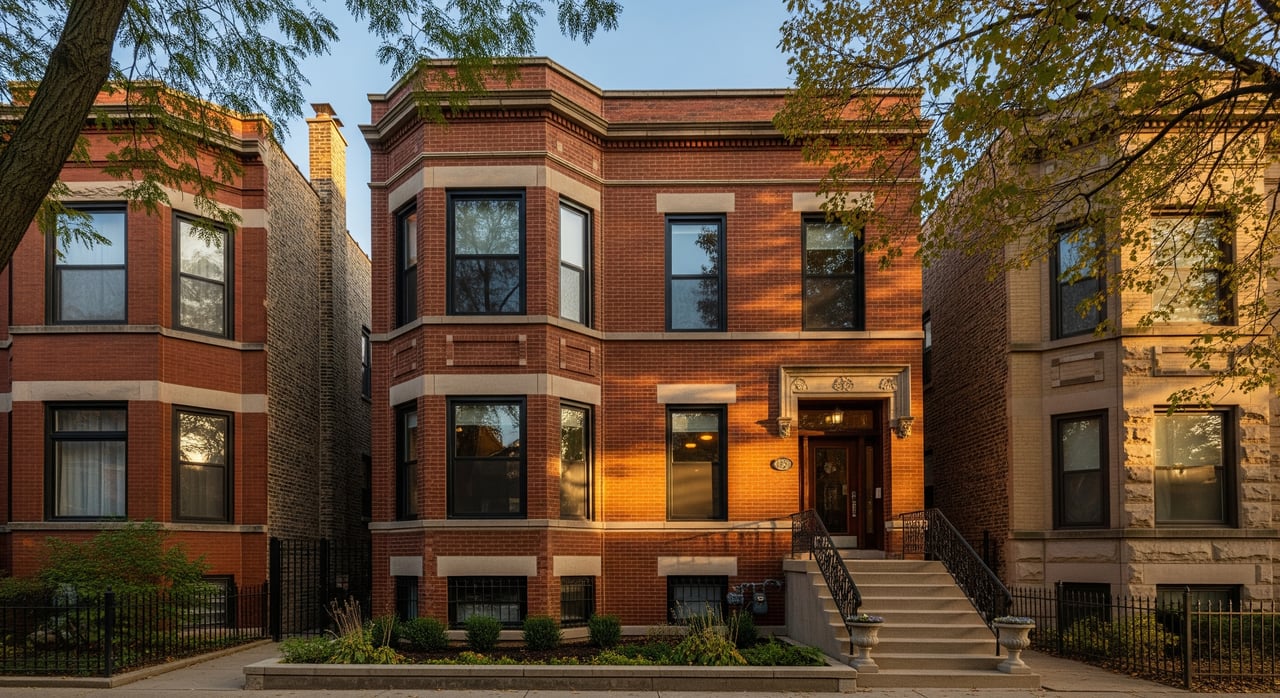
Shopping for a Chicago two-flat and wondering which blocks in Lincoln Square and Ravenswood see the most activity? You are not alone. These classic North Side buildings attract both owner-occupants and small investors who value walkability, transit, and steady rent demand. In this guide, you will learn what defines a two-flat here, where they tend to trade, how to value them, and what due diligence matters before you buy or sell. Let’s dive in.
What counts as a two-flat in Chicago
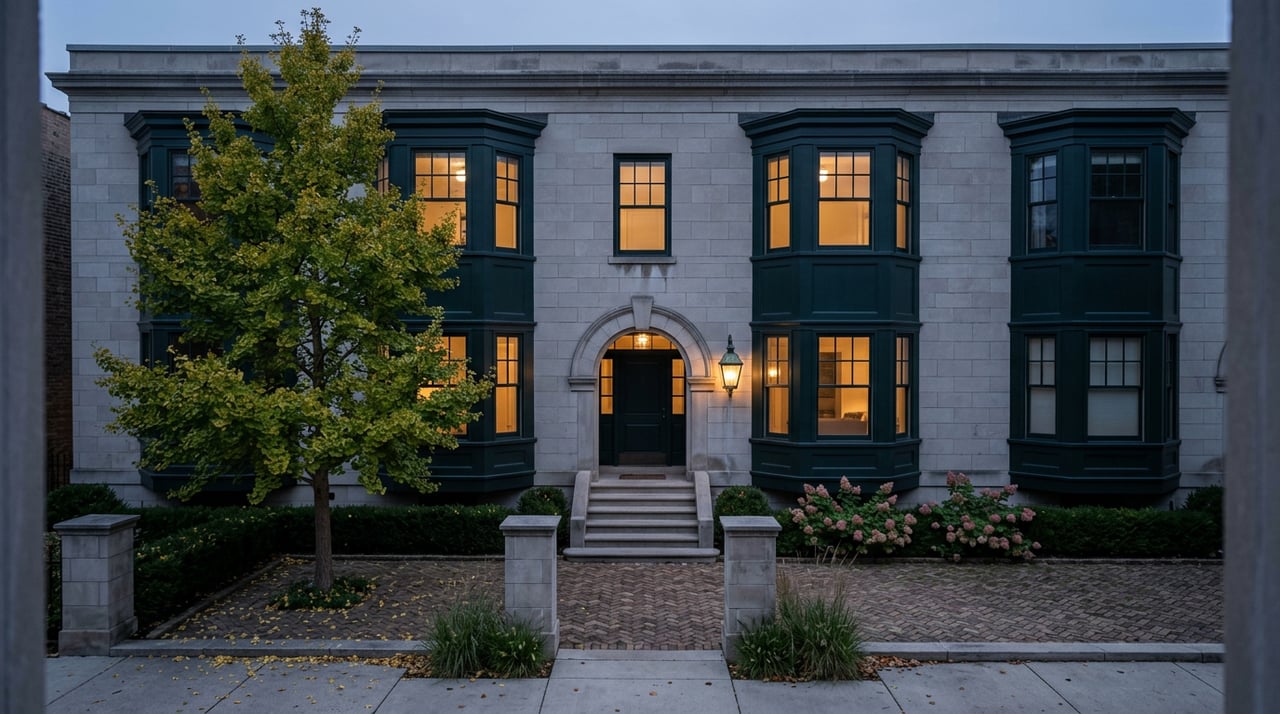
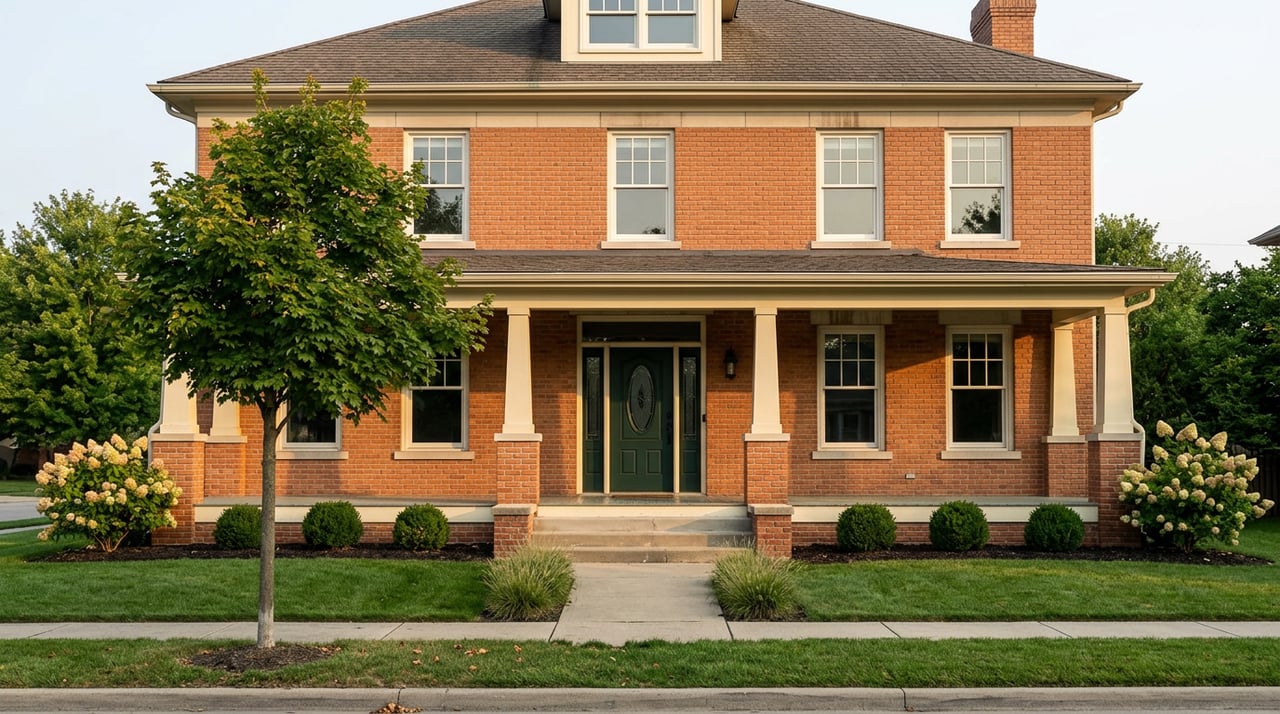
A two-flat is a residential property with two separate dwelling units, most often one on each floor. In Lincoln Square and Ravenswood, many were built between 1900 and 1940 with masonry facades, front or rear porches, and basements. Some have shared mechanical systems while others have separate meters and updated HVAC.
Expect vintage architectural details alongside modernized kitchens and baths in renovated buildings. Common maintenance items include tuckpointing, roof and porch work, chimney and lintel repairs, older plumbing, and dated electrical panels. When you evaluate a property, ask how recent the major system updates are and whether permits were pulled for significant work.
Why two-flats thrive here
Lincoln Square and Ravenswood are stable, transit-served North Side neighborhoods with active retail corridors, parks, and well-kept residential blocks. This blend supports both lifestyle appeal and rentability. Owner-occupants often “house hack” by living in one unit and renting the other to offset costs. Small investors appreciate the long-term stability and diversified renter base.
Micro-location matters. Blocks closer to transit and commercial corridors often command stronger rents and resale values. Quieter residential streets can offer lower volatility and tenant stability. Properties with corner lots, off-street parking, separate utility meters, and tasteful updates tend to trade at a premium.
Where two-flats trade within Lincoln Square & Ravenswood
You will find clusters of two-flats on classic residential blocks that sit within a short walk to neighborhood retail, cafés, and parks. Proximity to transit helps drive demand from both renters and future buyers. Even within a few blocks, small differences in walkability and block condition can change your rent numbers and exit strategy.
When you compare locations, look beyond the map pin:
- How close is the property to everyday retail, parks, and transit stops?
- What is the block’s overall condition and mix of building types?
- Do similar two-flats nearby show up in recent sales and rent comps?
For the cleanest read, pair MLS data with Cook County transaction records and assessor details. Days on market, sale-to-list ratios, and rent levels for comparable one- and two-bedroom units help you benchmark the property.
How to value a two-flat
Two-flats here are often valued using both comparable sales and income-based approaches. Owner-occupants may pay a premium for the lifestyle benefit, while investors focus more on cash flow.
- Comparable sales: Look at per-unit and per-square-foot prices among nearby two-flats with similar vintage, condition, and updates.
- Income screens: Use Gross Rent Multiplier (GRM = price divided by gross annual rent) for quick comparisons among similar properties.
- Cap rate: Estimate Net Operating Income and divide by price to understand yield. Include realistic expenses like taxes, insurance, utilities, management, maintenance, vacancy, and reserves for capital items such as roofs or boilers.
- Cash-on-cash: For financed purchases, compare pre-tax cash flow to your cash invested to gauge return potential.
Tie your valuation back to real leases and a current rent survey from comparable buildings. Model a range of outcomes in case rents rise more slowly or expenses run higher than expected.
Key rules and city checks to know
A smooth two-flat transaction in Chicago starts with understanding the regulatory pieces that affect financing, insurability, and long-term plans.
- Zoning and legal units: Confirm the property’s zoning district and that it is a legal two-unit. Check the City’s zoning map and the property’s use history before planning any changes.
- Certificate of Occupancy and permits: Verify legal occupancy classification. Review the Department of Buildings permit history for kitchens, baths, porches, electrical, HVAC, and any unit changes.
- Landlord-tenant rules: Chicago’s Residential Landlord and Tenant Ordinance sets standards for deposits, notices, repairs, and disclosures. Build your rent and operations plan around these obligations.
- Lead-based paint and environmental issues: For pre-1978 housing, provide required federal lead disclosures and the EPA pamphlet if you sell, and consider testing if you have young children living in the building. Radon, sewer laterals, and drainage are also worth checking.
- Tenant rights on sale: Existing leases transfer to the new owner. Work within lease terms and notice requirements for any planned renovations or changes.
- Conversions: Turning a two-flat into condos or into a single-family home requires legal, title, and municipal steps. If you are considering a conversion, involve a real estate attorney early.
Financing paths for owners and investors
Financing depends on whether you will live on-site and the building’s condition.
- Owner-occupied: Conventional and FHA loans are common for 2-unit purchases when you will live in one unit, subject to lender rules and occupancy requirements. Down payment, reserves, and underwriting vary by program and property condition.
- Investor loans: Options include conventional investor loans, bank portfolio products, and lenders that specialize in small multi-family. Expect different interest rates and down payment requirements than owner-occupied loans.
- Renovation and construction: If the building needs significant work, ask lenders about renovation-friendly options or construction-to-permanent structures that fit two-unit properties.
If you are a military or veteran buyer, our team can help you navigate owner-occupant financing with lenders who understand multi-unit properties and your benefits. The right pre-approval sets clear expectations for timelines and appraisal.
Smart due diligence checklist
Before you write an offer or list a two-flat, gather documents and plan inspections that commonly affect price, leverage, and closing speed.
Pre-offer research
- MLS details and public records: lot size, year built, legal unit count, and prior permits.
- Tax history and assessed value trends through the Cook County Assessor.
- Transaction history through county records.
- For buyers: rent roll, leases, and recent utility bills to verify actual income and expenses.
Physical inspection focus areas
- Structure and masonry: foundation settlement, tuckpointing needs, lintels, and chimney.
- Roof and gutters: age, leaks, and last replacement date.
- Mechanical systems: boilers or furnaces, water heaters, service records, and fuel type.
- Electrical: panel capacity, grounding, and presence of outdated wiring.
- Plumbing: galvanized piping, water pressure, and sewer lateral condition.
- Moisture: basements, grading, and downspout performance.
- Life safety: smoke and CO detectors, egress windows, handrails, and stair condition.
- Permits and compliance: kitchens, baths, new meters, and any unit changes.
Tenant and lease review
- Lease terms, renewal dates, and rent increases.
- Security deposit compliance and any known violations or open housing matters.
Having these items ready helps buyers compare apples to apples and helps sellers reduce friction and protect value during negotiations.
Operating costs and insurance basics
Build a pro forma that reflects real-world expenses. Include property taxes, appropriate landlord insurance, utilities you will cover, routine maintenance, management fees if applicable, a vacancy allowance, and capital reserves for big-ticket items. Title insurance and a clear title search are standard. Ask your insurance agent about liability coverage and loss-of-rent protection tailored to two-unit buildings.
Taxes, assessments, and closing costs
Cook County assessments drive tax bills, so review current assessed value, recent changes, and any appeals. Understand transfer taxes, recording fees, and how exemptions may apply if you will live in the building. For investors, consult an accountant on depreciation schedules and strategies before you close.
Preparing your two-flat to sell
If you are listing, lead with clarity and documentation. Buyers pay for certainty.
- Property prep: Tidy common areas, touch up paint, and consider modest kitchen or bath improvements if they offer a noticeable return. Ensure life-safety items are up to date.
- Show the numbers: Provide a current rent roll, utility breakdown, operating expenses, and documentation for capital upgrades.
- Tell both stories: Create a lifestyle packet for owner-occupants and a financial packet for investors. Highlight transit access, neighborhood amenities, and recent maintenance for the lifestyle set. For investors, present pro forma scenarios and rent comps from similar nearby units.
How to work the negotiation
Buyers can use inspection findings, permit gaps, and upcoming capital needs to seek credits or price adjustments. Sellers can anchor value by presenting clean permits, recent repair invoices, and strong rent histories. A well-documented file shortens timelines and preserves leverage.
Next steps with a neighborhood advocate
Two-flats in Lincoln Square and Ravenswood reward careful homework, strong financing, and clear documentation. Whether you want to live in one unit, grow a small portfolio, or maximize a sale, you deserve an advocate who knows these blocks and this asset class. If you are ready to tour, price, or position your two-flat, connect with your trusted neighborhood team at The Jerry Cox Group. Request a Tour and let’s build your plan.
FAQs
What is a Chicago two-flat and how is it configured?
- A two-flat is a building with two separate dwellings, often one per floor, sometimes with shared or separate utilities depending on past updates.
Where do two-flats most often trade in Lincoln Square and Ravenswood?
- They cluster on stable residential blocks near transit, parks, and retail corridors, where walkability supports both tenant demand and resale.
How do I estimate rental income for a two-flat purchase?
- Verify the current rent roll and compare to nearby two-flats with similar unit sizes and condition, then model a range for conservative planning.
What city rules affect landlords buying a two-flat in Chicago?
- Plan around Chicago’s landlord-tenant ordinance, lead-paint disclosures for pre-1978 homes, zoning and legal-unit status, and permit compliance.
Can I finance a two-flat if I plan to live in one unit?
- Many buyers use conventional or FHA options for 2-unit owner-occupied purchases, subject to lender guidelines and occupancy requirements.
What inspections most often impact price on vintage two-flats?
- Masonry and tuckpointing, roof age, HVAC and boiler condition, plumbing and sewer laterals, electrical capacity, and life-safety compliance.