Thinking about calling Chicago’s West Loop or Fulton Market home? You’re not alone. These fast-growing neighborhoods put you close to top dining, short commutes, and modern homes with character. In this guide, you’ll learn what everyday life feels like here, from getting around to housing types, plus the practical tradeoffs to consider. Let’s dive in.
Neighborhood snapshot
Where West Loop meets Fulton Market
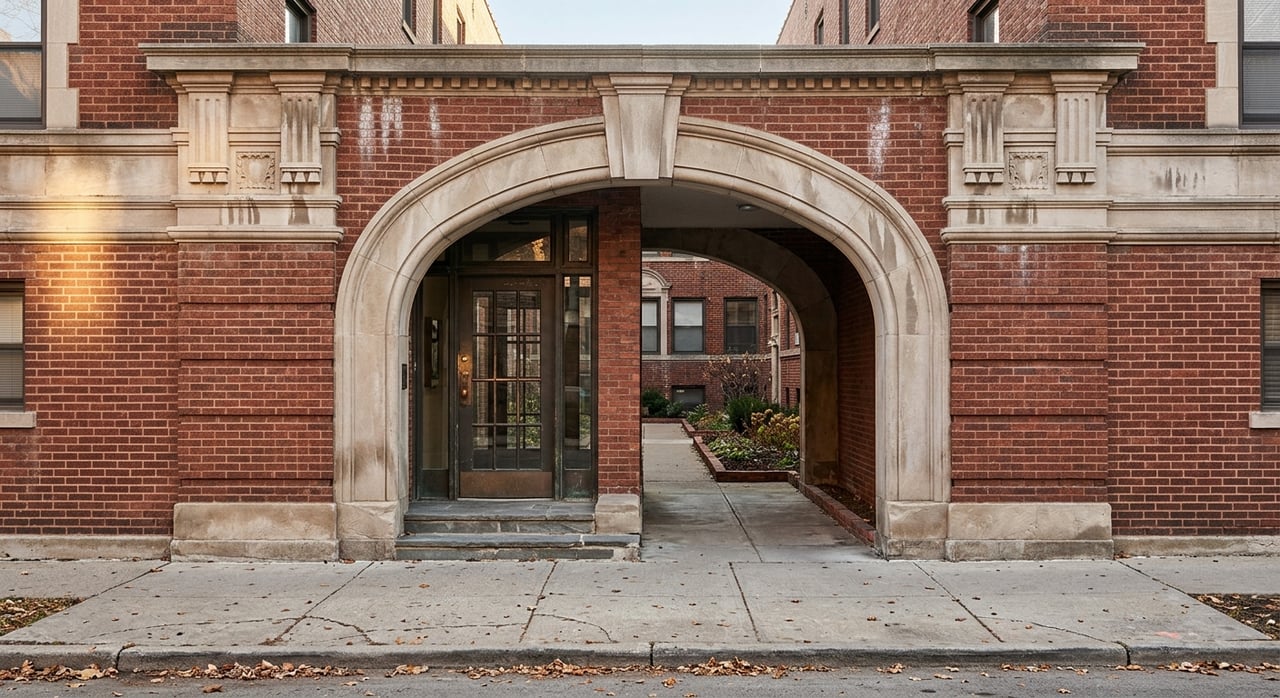
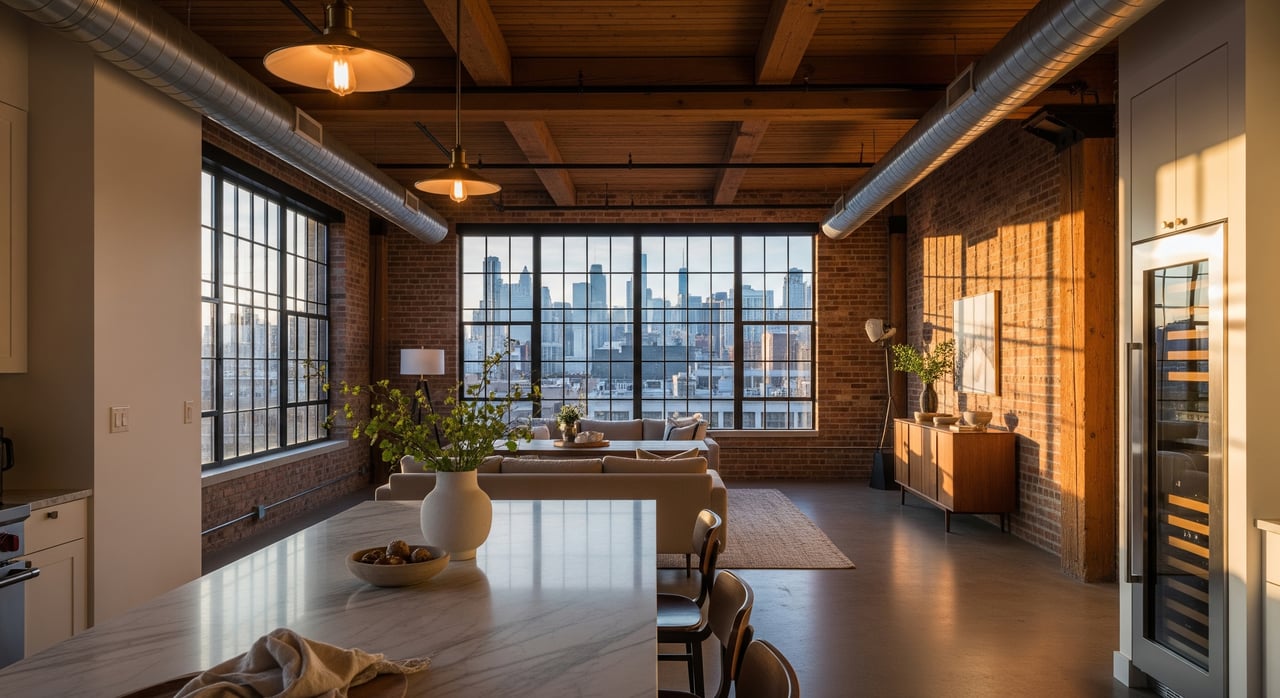
West Loop and Fulton Market sit just west of the Loop, Chicago’s central business district. Fulton Market began as a meatpacking and warehouse district and has transformed into a mix of offices, restaurants, and luxury housing. West Loop blends converted lofts, newer condo towers, and the lively Randolph Street Restaurant Row. Many buildings keep their historic brick-and-timber look while offering modern interiors.
Who chooses to live here
You’ll see a strong mix of young professionals, dual-income households, and people who work nearby in downtown or the tech and creative offices around Fulton Market. Incomes and housing values tend to run higher than Chicago’s citywide averages. The overall feel is urban, energetic, and convenience focused.
Development pace and feel
The area has seen heavy development since the 2010s. You can expect frequent construction, new openings, and some retail turnover. The upside is fresh amenities and modern buildings. The tradeoff is occasional noise, shifting traffic patterns, and a changing streetscape.
Getting around
Walkability and bikes
Day-to-day life is highly walkable. Many errands, from groceries to coffee to fitness, can happen on foot depending on your block. Divvy bike stations are common, and you’ll find protected lanes on some streets. The nearby Riverwalk and bike routes make cycling a practical option.
CTA and Metra access
You have strong transit choices. CTA Green and Pink Line stations near Clinton and other nearby stops connect you to the Loop and neighborhoods to the west and south. Multiple bus routes cross the area. Ogilvie Transportation Center and Union Station sit on the neighborhood’s edge, which is ideal if you commute by Metra or ride Amtrak.
Driving and airports
If you drive, the Kennedy (I-90/94) and Eisenhower (I-290) are close. Traffic can be heavy at peak times, especially downtown. O’Hare is typically 25 to 45 minutes away depending on traffic and time of day.
Typical commute times
If you work in the Loop or Fulton Market, you can often get to the office in 10 to 25 minutes by transit, bike, or car. Commutes to the suburbs vary a lot, so check your exact route and schedule, especially during rush hour.
Daily conveniences
Groceries and markets
You’ll find a mix of independent specialty markets, upscale grocers, and nearby chain supermarkets. Seasonal markets and specialty food purveyors pop up in Fulton Market, especially spring through fall. Many residents mix quick neighborhood shops during the week with larger grocery runs nearby on weekends.
Fitness and wellness
Boutique fitness is everywhere. Think yoga, cycling, HIIT, pilates, and CrossFit-style studios, plus national gym chains. Many newer buildings include fitness centers and wellness spaces. Outdoor runners often head for river paths, and weekend riders enjoy easy connections to city bike routes.
Parks and outdoor space
Green space exists but is more pocket-park than sprawling fields. It’s great for a quick dog walk or a quiet break. Larger park areas are a short ride away, and the Chicago Riverwalk sits just east for paved paths and scenery. The 606 trail is within a short bike ride north for running and cycling.
Daily convenience checklist
- Groceries and essentials within a short walk
- Fitness studios and gyms across multiple blocks
- Riverwalk access just east for fresh air
- Seasonal markets and community events in warm months
Dining and nightlife
Restaurant Row and beyond
Randolph Street and Fulton Market are among Chicago’s top dining hubs. You’ll find Michelin-recognized restaurants, chef-driven concepts, neighborhood bistros, and casual eats. Evenings are lively, and weekends can be busy, so reservations are common for popular spots. If you enjoy trying new places, you’ll love the frequent openings and creative menus.
Housing options
Converted lofts
Former warehouses now house open-plan homes with exposed brick, tall windows, and industrial character. These appeal if you value unique spaces, wide rooms, and creative layouts.
New-construction condos
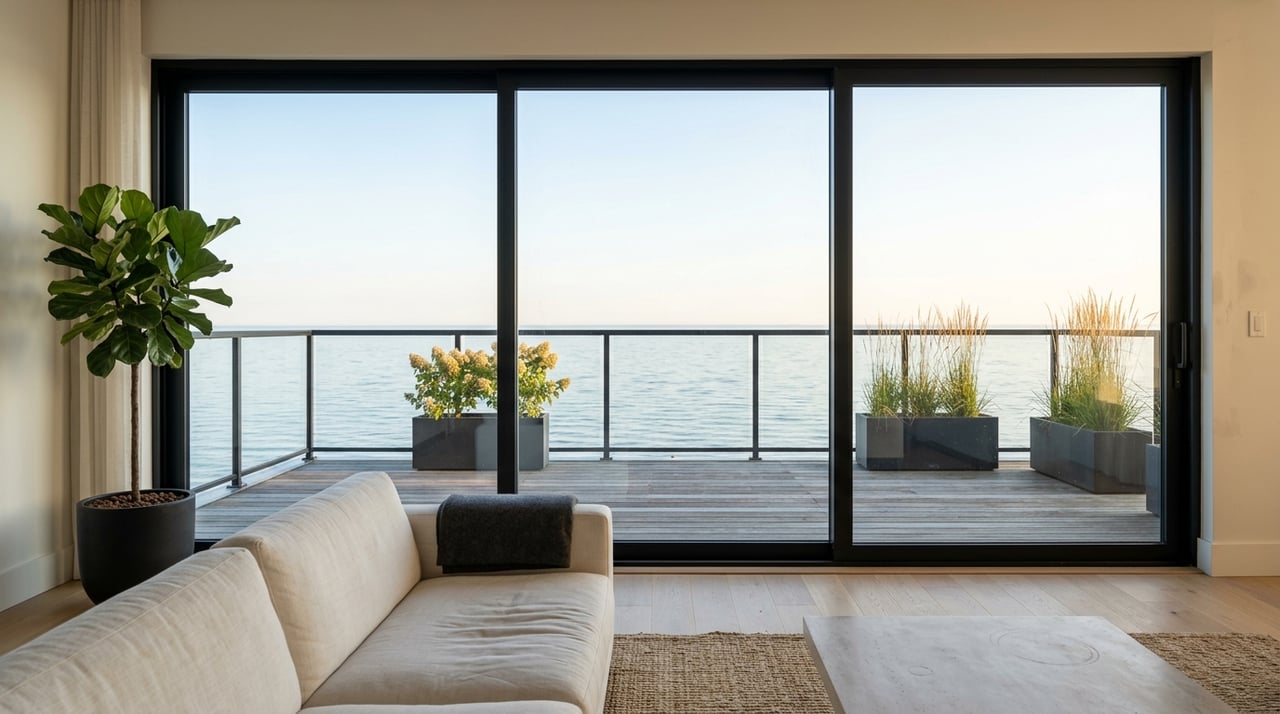
Mid- and high-rise towers offer sleek finishes, doorman service, fitness centers, rooftops, and more. They work well if you want turnkey ownership and modern amenities.
Luxury rentals
Purpose-built apartment communities offer concierge services, lounges, co-working areas, and resort-style amenities. They’re ideal if you want flexibility or you’re new to the city and not ready to buy.
Townhomes and infill homes
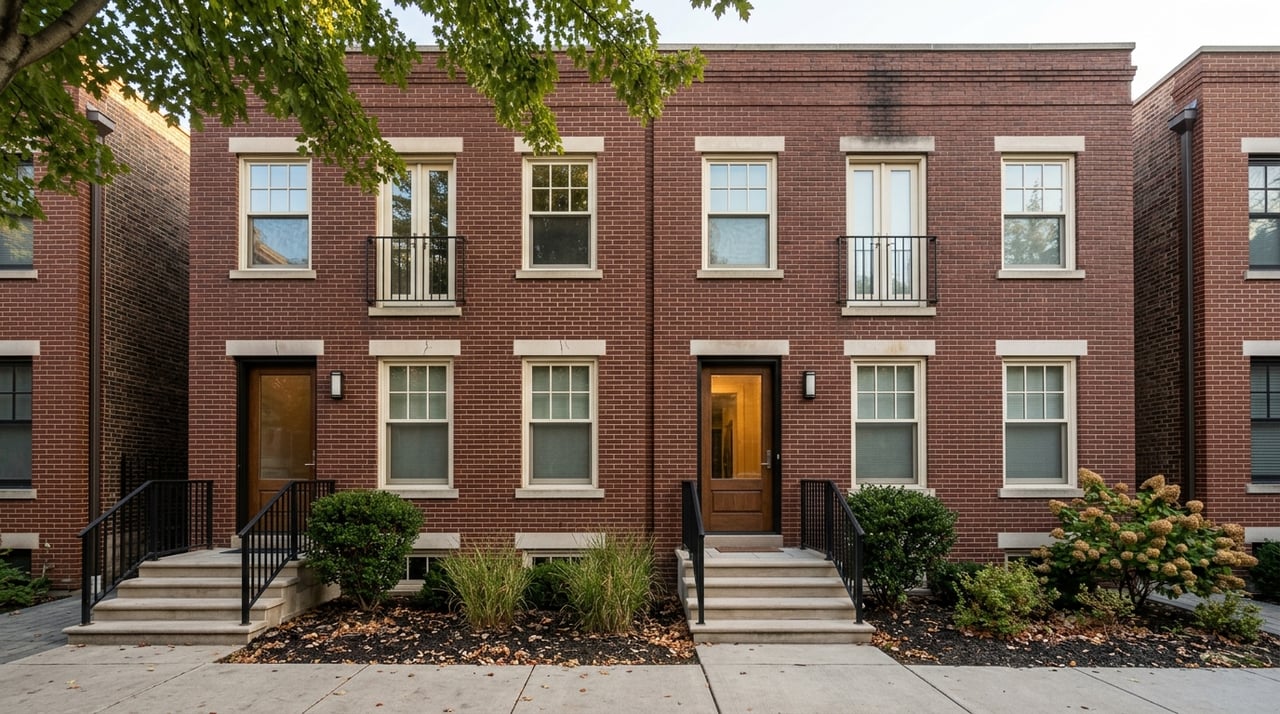
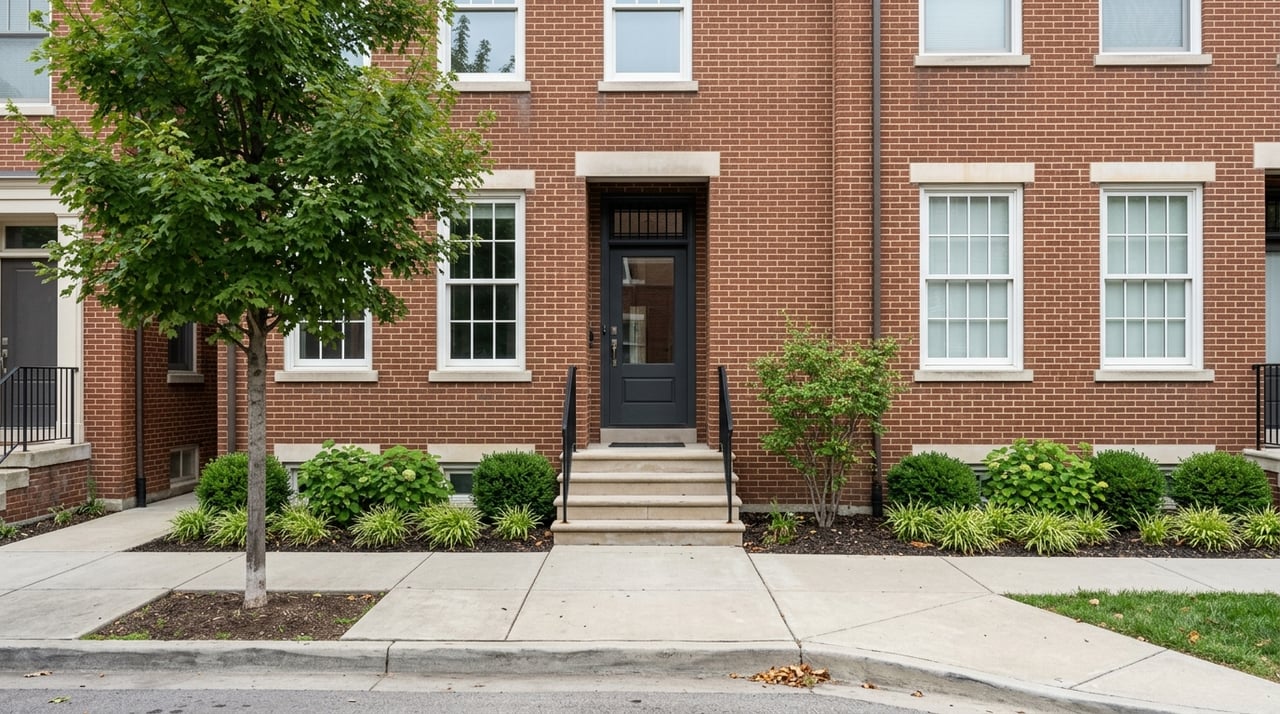
Inventory is limited, but you can find townhomes and occasional single-family infill on select streets. These draw small families and anyone who wants private outdoor space.
What fits your lifestyle
- Young professionals: Studios or one-bed lofts and luxury rentals near dining and nightlife.
- Couples and dual-career households: Two-bed condos or lofts with strong amenities and transit access.
- Small families: Larger condos or townhomes near parks or buildings with play spaces.
- Remote workers: Units with good light, a work nook, or easy access to quiet coworking and coffee spots.
Ownership vs. renting
Buying builds equity and can pay off over time, but factor in closing costs and monthly HOA fees, which can be higher in amenity-rich buildings. Renting provides flexibility and full-service amenities with fewer long-term commitments. Prices and rents in West Loop and Fulton Market run on the higher side for Chicago, and they vary by building, finishes, and view.
Practical tradeoffs
Noise and nightlife
You’re close to some of the city’s best restaurants, which means active evenings and weekend crowds. If you prefer quiet, consider unit orientation, window glazing, and distance from Randolph and other busy corridors.
Parking and storage
On-street parking is limited and can be expensive. Many buildings offer paid garage spots and separate storage. If you need a car, plan for a monthly parking budget. Delivery logistics are solid, with building loading zones and secure package lockers common.
Safety
As in many central urban areas, you may see property crimes like theft or vehicle break-ins. Patterns vary by block and over time. Review official police data and community updates for current context. Many residents use common-sense habits like well-lit routes, garage parking, and building security features.
Schools and childcare
Public school options within the immediate neighborhood are limited. Many families look at magnet or selective enrollment options in nearby districts or choose private or charter schools. Daycare exists but can have waitlists, especially as more residents move in. If schools are a priority, verify boundaries and program availability early.
A weekend in five stops
- Coffee and a pastry within a short walk to start your day.
- Riverwalk stroll east of the neighborhood for sunshine and skyline views.
- Workout at a boutique studio or a quick run to a nearby bike trail.
- Late lunch on Randolph Street with friends.
- Evening hangout at a neighborhood spot, then an easy walk home.
How we can help
You deserve a home and a block that fit your everyday life, not just your budget. Whether you’re comparing lofts to new towers, weighing renting versus buying, or mapping a commute, our team will help you see tradeoffs clearly and negotiate with confidence. If you’re exploring VA financing or need guidance as a first-time buyer, you’ll have a patient advocate at every step. Connect with The Jerry Cox Group to get a personalized game plan, from first tours to closing.
FAQs
What is the overall vibe in West Loop and Fulton Market?
- Urban and energetic with top dining, short commutes, and a mix of historic lofts and modern buildings.
How long are commutes to downtown and O’Hare?
- Many downtown or in-neighborhood commutes run 10 to 25 minutes, and drives to O’Hare are often 25 to 45 minutes depending on traffic.
Is it easy to live car-free here?
- Yes, thanks to walkability, CTA rail and buses, Divvy bikes, and rideshare, many residents skip daily driving.
What should I expect for parking?
- On-street parking is tight and often pricey, so many residents budget for building garages or monthly lots.
Are there enough parks for daily outdoor time?
- You’ll find pocket parks for quick breaks or dog walks, the Riverwalk just east, and larger green spaces a short ride away.
What are the main housing options and who do they fit?
- Choices include converted lofts, new condos, luxury rentals, and limited townhomes that suit professionals, couples, remote workers, and small families.