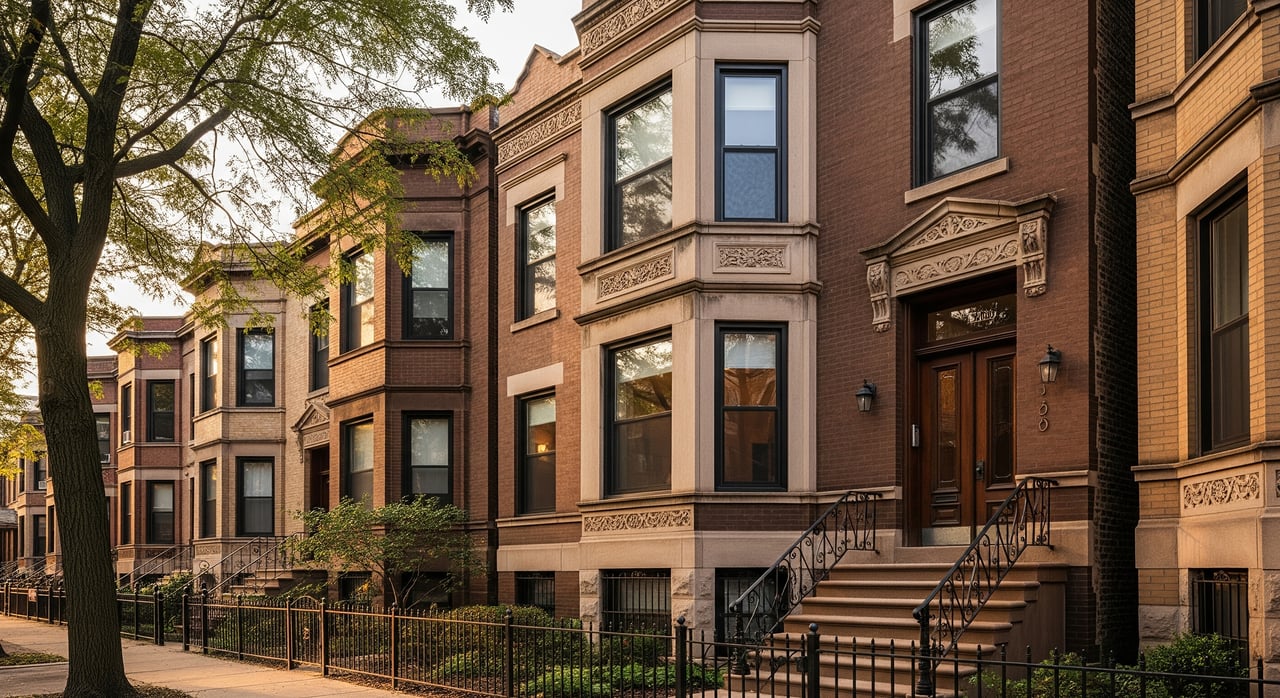
Thinking about a two-flat or three-flat in Albany Park but not sure where to start? You’re not alone. These classic Chicago buildings can blend home and investment, yet the rules and numbers feel complex. In this guide, you’ll learn what these properties are, how zoning and permits work in Chicago, what financing and taxes to expect, and the key inspections that matter in Albany Park. You’ll also get simple checklists for buyers and sellers so you can move forward with confidence. Let’s dive in.
What two- and three-flats are
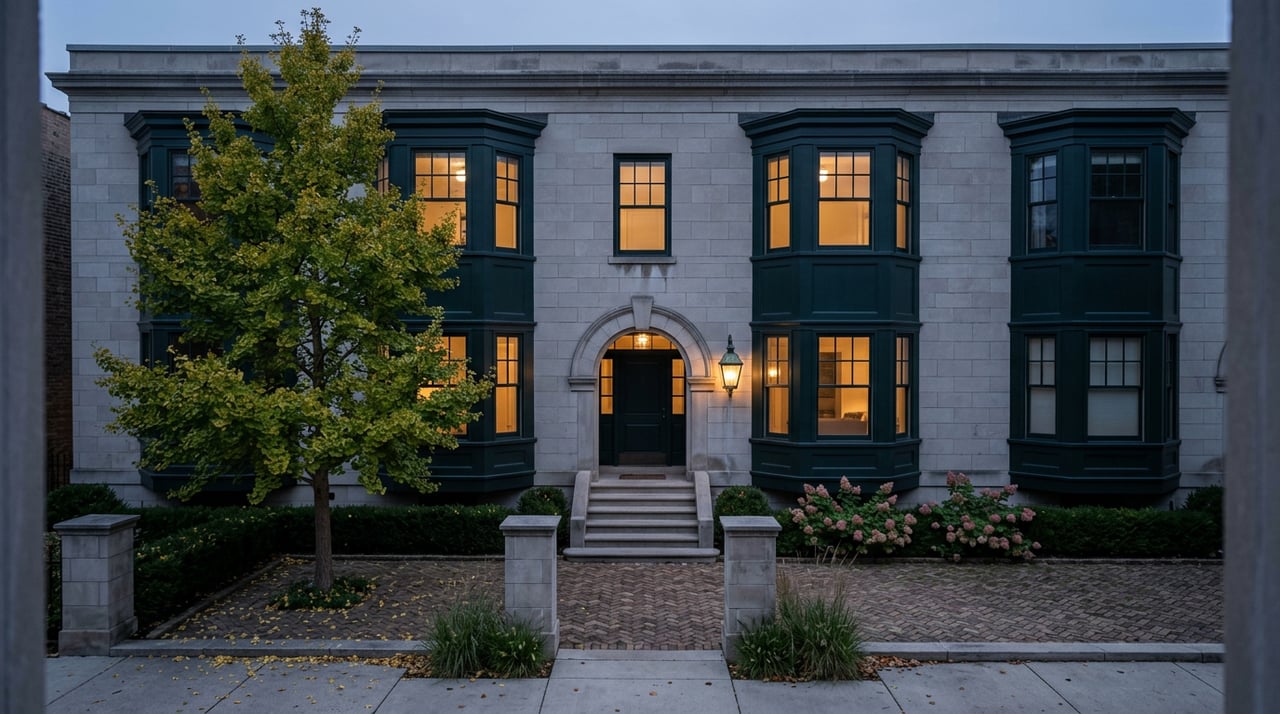
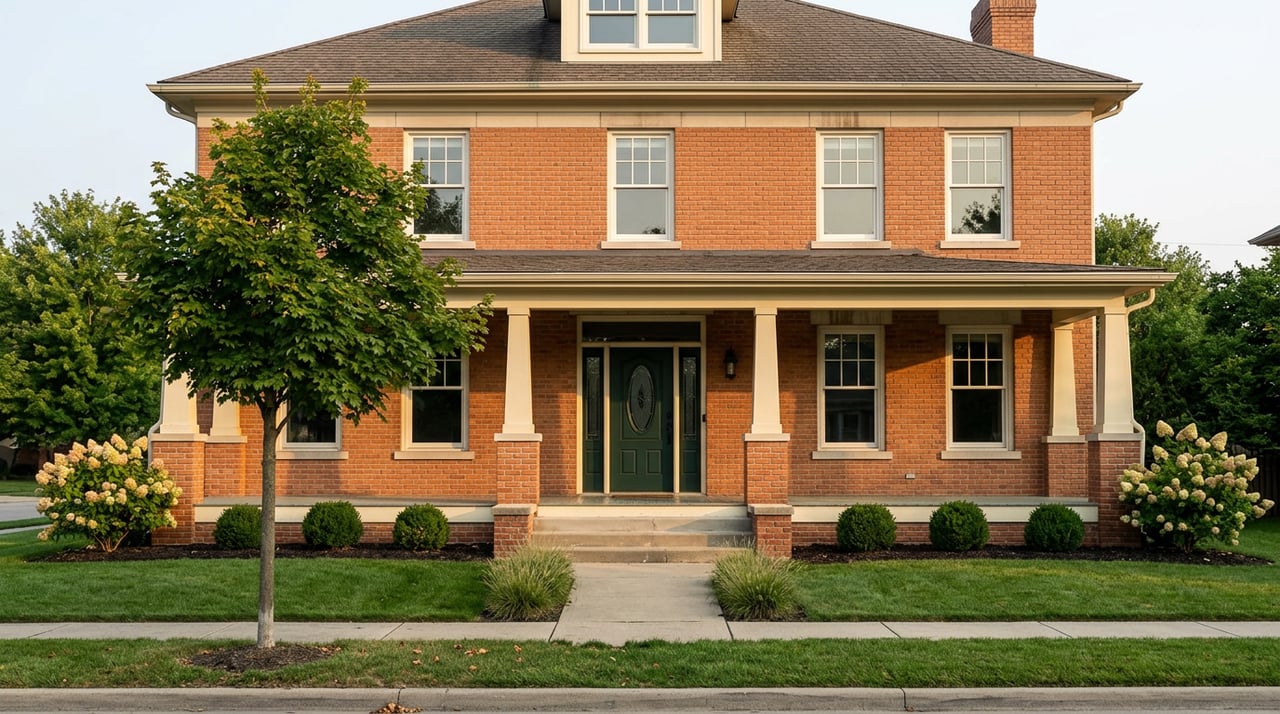
Two- and three-flats are buildings with two or three separate apartments on a single lot. In Chicago, many were built in the early 1900s and feature masonry exteriors, porches, and wood floors. Layouts are usually stacked units, and many buildings have shared basements and common areas.
These properties are popular with owner-occupants. You can live in one unit and rent the others to help offset your mortgage. That mix of housing and income potential is a big reason they remain a favorite first investment.
Why Albany Park fits
Albany Park on Chicago’s Northwest Side has a large supply of older multi-unit masonry buildings. Many two- and three-flats here still show period details and solid bones. At the same time, age can bring deferred maintenance such as tuckpointing, roofing, porch repairs, and system updates.
Transit access and nearby commercial corridors help rental demand. Proximity to rail, bus lines, and neighborhood amenities often supports stable rentability and long-term resale.
Typical layouts and features
Most Albany Park flats have 1 to 3 bedrooms per unit, front or rear porches, and shared or separate utilities. Expect a mix of original millwork and updated kitchens and baths. Unit condition and modern systems often drive rental appeal.
Zoning and permits in Chicago
Before you buy or change anything, confirm that the property’s current and planned use fits Chicago zoning and building rules.
Confirm zoning
Chicago zoning controls how many units are allowed on a parcel. Many Albany Park two- and three-flats sit in residential districts that permit multi-unit use. If you plan to add a unit or convert a single-family, confirm the zoning designation on the City of Chicago Zoning Map and whether a zoning change or variance is needed.
Permits and code compliance
Creating units, altering egress, adding kitchens or baths, or making structural changes requires City of Chicago Department of Buildings permits. New work may need to meet current codes for fire separation, exits, smoke and CO detectors, ventilation, plumbing, and electrical systems.
If the building predates 1978, renovations that disturb painted surfaces must follow EPA Renovation, Repair and Painting (RRP) rules. Lead paint disclosures and safe work practices are essential.
Conversions and additions
Adding a legal unit usually requires separate compliant egress and specific fire and life safety features. Some projects also need separate utilities or approved shared systems. Converting between unit counts or combining units triggers zoning and building reviews, so plan for time and professional guidance.
Financing and taxes basics
Small multi-family financing and property taxes work a bit differently than single-family homes. Set expectations early so your deal stays smooth.
Mortgage options for 2–4 units
Owner-occupant buyers can often use conventional loans or certain government-backed programs for 2–4 unit properties. Lenders may require higher down payments and reserves than a single-family. They will typically underwrite using projected rental income and verify that you will live in one unit. Work with a lender experienced in Chicago 2–4 unit underwriting so you understand documentation, reserves, and rent treatment in advance.
Property taxes and exemptions
Cook County assesses multi-unit buildings differently than single-family homes. Review the parcel’s assessed value, recent tax history, and any exemptions with the Cook County Assessor and Treasurer. If you will live in the building, ask whether a Homeowner Exemption applies based on your parcel classification and occupancy. Tax appeals are common if assessments seem out of line.
Insurance and utilities
Landlord policies for multi-unit buildings typically cost more than standard homeowner’s insurance. Make sure you carry adequate dwelling and liability coverage, and consider loss-of-rent coverage. Utilities matter to your budget. Separate gas, electric, and water meters simplify billing to tenants, while shared systems may require owner-paid utilities or compliant submetering.
Landlord-tenant rules to know
Chicago has local tenant protections that work with Illinois law. If you plan to rent even one unit, learn the basics before you close.
Chicago rules at a glance
The Chicago Residential Landlord and Tenant Ordinance sets requirements for habitability, disclosures, notices, and lease procedures. It interacts with Illinois state law and fair housing provisions. Buyers should review any existing leases and tenant rights during due diligence. Sellers should disclose current lease terms and tenant status.
Deposits, notices, and rent changes
Security deposit handling, receipts, accounting, and timing are tightly regulated in Chicago. Notices for rent increases, non-renewal, or entry must follow local rules. Keep written records and use compliant forms to avoid penalties.
Short-term rental status
Short-term rentals in Chicago are regulated and may require registration or face restrictions in multi-unit buildings. Confirm current rules before listing a unit for short stays.
Condition and inspections
Albany Park’s older buildings reward careful inspections. Small issues can become larger costs if ignored.
Common Albany Park issues
Expect to evaluate roofs and flashing, masonry and tuckpointing, porches and stairs, boiler or heating systems, and electrical panel capacity. Plumbing stacks and sewer laterals are key. Basements can show water intrusion, so review grading, sump pumps, and waterproofing.
Systems and metering
Identify whether each unit has separate gas and electric meters. Shared boilers are common in older flats. Converting to individual furnaces or high-efficiency systems can improve comfort and rents but may be a major expense. Factor meter sets and equipment into your budget.
Safety and environmental items
Confirm smoke and CO detector placement and condition. Check egress and handrails. For pre-1978 buildings, plan for lead-safe work practices and testing before renovation. If you suspect asbestos in old materials, consult qualified professionals before disturbing any components.
Market and valuation
Two- and three-flats are valued using both homebuyer and investor logic. Understanding the numbers helps you price or offer with confidence.
Rents and vacancy
Rent levels and vacancy shift with market conditions and seasonality. Proximity to transit and amenities often supports demand. When you underwrite, use realistic rent estimates and include a vacancy allowance.
Pricing comps and metrics
Sellers and buyers often review price per unit, price per square foot, in-place rents, and recent upgrades. Investors may also track net operating income, cap rate, gross rent multiplier, cash-on-cash return, and debt service coverage ratio. Always confirm whether comparable sales were owner-occupied or investor purchases and whether major rehab was needed.
Step-by-step for buyers
Use this simple path to reduce surprises from offer to closing.
- Clarify your plan
- Decide whether you will live in a unit or hold as an investment.
- Set target unit mix, condition, and budget, including reserves.
- Confirm financing
- Speak with a lender experienced in 2–4 units about down payment, reserves, and how rental income will be used.
- Gather documents early to keep timelines tight.
- Run the numbers
- Build a pro forma with realistic rents, vacancy, insurance, taxes, utilities, and maintenance.
- Add capital reserves for roof, masonry, porches, boilers, and electrical.
- Verify zoning and compliance
- Check zoning and any open permits or violations.
- If a unit is informal or garden-level, confirm legal status and code compliance.
- Inspect thoroughly
- Full building inspection plus sewer scope.
- Evaluate HVAC or boiler, electrical panels, water heaters, windows, and life-safety items.
- Review leases and deposits
- Request rent roll, copies of leases, deposit ledger, and tenant move-in paperwork.
- Confirm notice requirements for any planned changes post-close.
- Plan operations
- Decide on meter setups and utility billing.
- Line up insurance, a handyman roster, and a compliant lease package.
Prep checklist for sellers
Make it easy for buyers to say yes and for appraisers to support your price.
- Gather documents: leases, rent roll, deposit ledger, tenant contacts.
- Pull records of repairs, permits, and recent improvements.
- Resolve or disclose code violations and safety items.
- Consider a pre-listing inspection to reduce renegotiations.
- Prepare tax history and note any exemptions or pending appeals.
Albany Park pro tips
- Focus on transit: Properties near rail or major bus lines often rent faster.
- Mind the porches: Many older porches need repair, so get them inspected early.
- Check basements: Look for water signs, test pumps, and review grading.
- Be realistic on utilities: Shared systems can work, but plan for owner-paid costs or compliant submetering.
- Time your leases: Aligning end dates with peak rental seasons can reduce vacancy.
Buying, owning, or selling a two- or three-flat in Albany Park can be a smart long-term move. With clear due diligence, compliant management, and the right strategy, you can enjoy both a home and an income stream. If you want a local advocate to help you compare options, model the numbers, and navigate Chicago rules, connect with The Jerry Cox Group.
FAQs
What is a two- or three-flat in Chicago?
- A residential building with two or three separate apartments on one lot, often older masonry structures with stacked units and shared common areas.
Can I live in one unit and rent the others?
- Yes, owner-occupant setups are common and can help offset your mortgage, subject to lender occupancy requirements and local landlord rules.
What permits do I need to add a unit?
- Adding a unit typically requires zoning confirmation plus building permits for egress, fire separation, utilities, and other code items.
How are multi-unit mortgages underwritten?
- Lenders may require higher down payments and reserves, and they often count projected rents when qualifying owner-occupant buyers.
How are Cook County property taxes handled?
- The Cook County Assessor sets assessed values and exemptions; review tax history and consider appeals if assessments appear high.
What landlord-tenant rules apply in Chicago?
- The Chicago Residential Landlord and Tenant Ordinance and Illinois law regulate deposits, notices, habitability, and disclosures.
What inspections matter most for older flats?
- Roof, masonry, porches, sewer scope, boilers or HVAC, electrical capacity, plumbing stacks, and life-safety features like smoke and CO detectors.
Are short-term rentals allowed in multi-units?
- Chicago regulates short-term rentals and may require registration or limit them in certain buildings; verify current rules before listing.