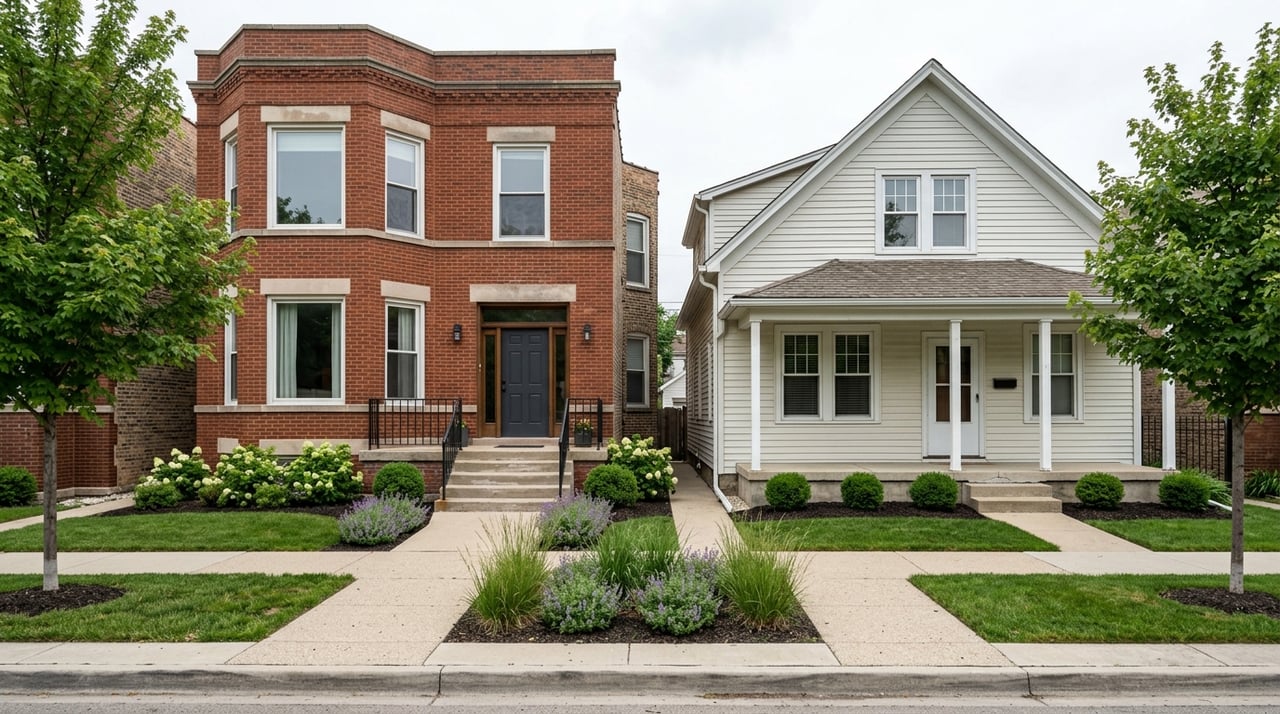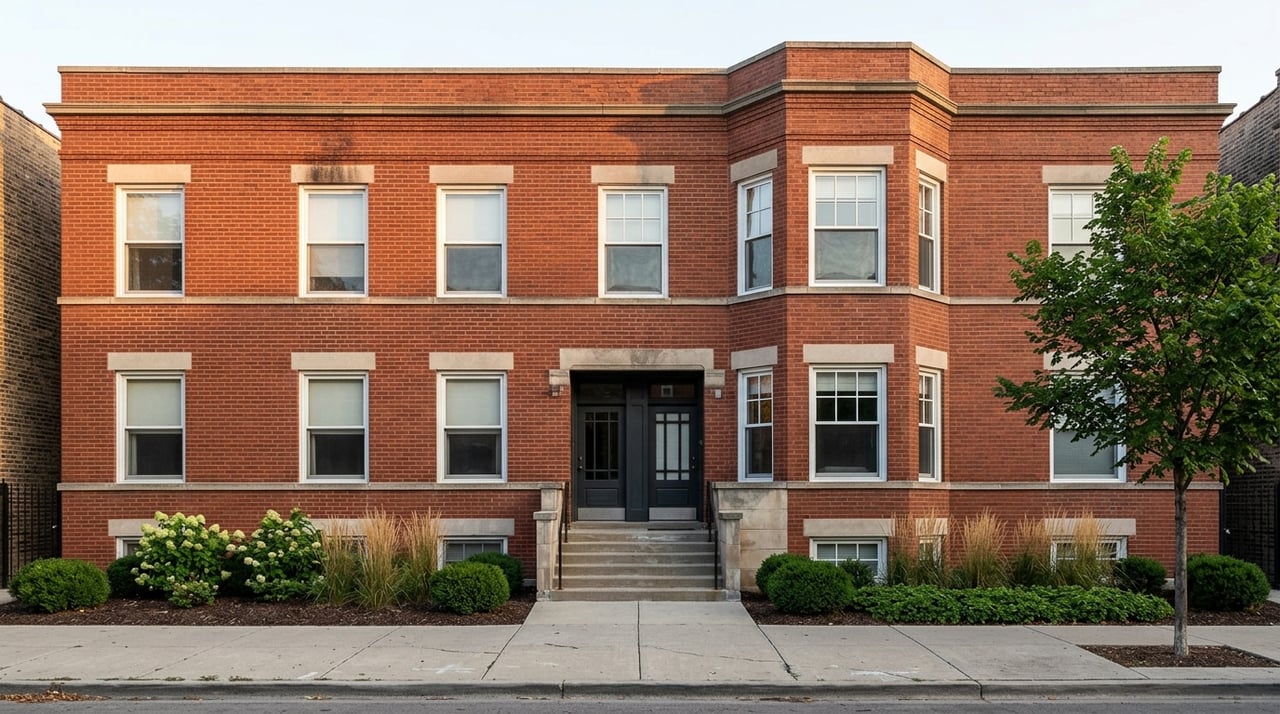
Wondering how to sell a two-flat in Lincoln Square or Ravenswood without leaving money on the table? You are not just selling a home. You are selling a building that buyers will evaluate for lifestyle, income, condition, and future upkeep all at once. If you understand what local buyers look for and prepare the right documents early, you can make the sale smoother and more competitive. Let’s dive in.
Why two-flats stand out here
Lincoln Square and Ravenswood are strong fits for two-flat ownership because the housing stock and neighborhood pattern support this property type. In Lincoln Square, CMAP reports a median year built of 1944, with 46.3% of housing built before 1940, and multi-family residential land making up 20.9% of land use.
That older housing mix matters when you sell. Buyers often expect character, but they also pay close attention to maintenance, updates, and how easy the building will be to manage over time.
Transit and day-to-day convenience also help shape demand. The Lincoln Square Ravenswood area includes Brown Line access at Montrose, Damen, Western, and Rockwell, along with Metra access, and CMAP notes that 21.4% of workers in Lincoln Square commute by transit, above the citywide 17.7% figure in the same snapshot.
What the local market suggests
Recent neighborhood pricing gives helpful context, but it does not tell the whole story for a two-flat. Redfin reports a Lincoln Square median sale price of $594,800 for the three months ending May 2026, while Ravenswood’s median sale price was $595,000 for the three months ending March 2026.
Small multi-family inventory is limited, which can work in your favor if your building is priced and presented well. Redfin currently shows only 3 multi-family listings in Lincoln Square at a median list price of $875,000 and 2 in Ravenswood at $950,000.
Days on market are also relatively moderate. Homes averaged 38 days on market in Lincoln Square and 35 days in Ravenswood in those recent periods, which points to active demand but also reinforces the need for a sharp launch strategy.
Who buys a two-flat
Most buyers for a two-flat fall into two main groups. The first is the owner-occupant buyer who wants to live in one unit and collect rent from the other.
The second is the investor buyer who looks at the property more like a business. That buyer will focus on rents, leases, expenses, and the cost of any near-term repairs.
Your marketing should speak to both groups when possible. In a neighborhood like Lincoln Square or Ravenswood, buyers are often weighing lifestyle and income at the same time.
What owner-occupants usually want
Owner-occupants often care most about how the building feels as a home. They may focus on layout, natural light, parking, storage, transit access, and whether the property seems manageable for everyday life.
Walkability can support that appeal. Redfin describes Lincoln Square as fairly walkable with a Walk Score of 85 and Ravenswood as supremely walkable with a Walk Score of 93.
If your two-flat has a strong owner’s unit, that should be clear in the listing. Buyers want to picture not just rental income, but also how comfortably they could live there.
What investors usually want
Investor buyers tend to look for a clean underwriting story. They want to understand current rents, lease terms, operating costs, and whether the asking price lines up with the building’s income and condition.
This becomes even more important with older housing stock. In neighborhoods where many buildings were constructed decades ago, deferred maintenance or incomplete updates can quickly shape pricing and negotiation.
Price the building, not just the ZIP code
One of the biggest mistakes sellers make is relying too heavily on nearby single-family or condo sales. A two-flat is different because buyers are valuing unit count, income stream, update level, and future potential.
That is why pricing should start with the building itself. A well-leased, updated, easy-to-underwrite two-flat may justify a very different number than another property of similar size nearby.
If your property has a value-add story, that should be reflected carefully and factually. Buyers will respond best when the upside is supported by real details, not broad promises.
Build a strong listing package early
A clean listing package can make a major difference, especially when inventory is limited and buyers are comparing only a handful of options. It helps reduce uncertainty and gives buyers confidence that the building has been run responsibly.
Before listing, it helps to organize:
- Current leases
- A rent roll
- Security deposit records
- Utility history
- Repair records
- Capital improvement history
- Service contracts
- The Illinois seller disclosure report
When these items are easy to review, buyers can verify income, compare lease terms, and better understand the property’s condition. That often leads to smoother conversations once offers come in.
Highlight the details that matter most
For a Lincoln Square or Ravenswood two-flat, buyers usually care less about flashy language and more about practical facts. Your listing should clearly show what reduces risk or improves income potential.
Useful points to highlight may include:
- Below-market rents
- Month-to-month leases or upcoming lease expirations
- Separate meters
- Recent mechanical updates
- Newer roof or windows
- Parking
- Storage
- Documented improvements
- Clean permit history, if applicable
In an area with older housing stock, these details can strongly affect value. Buyers often discount properties when updates are unclear or deferred work seems likely.
Selling with tenants in place
You do not necessarily need to empty the building before you sell. In Chicago, occupied units can still be shown to prospective purchasers, but the rules around notice matter.
Under Chicago’s Residential Landlord and Tenant Ordinance, tenants may not unreasonably withhold consent for the landlord to enter a unit to exhibit it to prospective purchasers. Except in emergencies or a few limited situations, the landlord must give at least two days’ notice before entry, and entry between 8:00 a.m. and 8:00 p.m. is presumed reasonable.
This means showing logistics should be handled with care and consistency. A respectful schedule and clear communication can help keep the process moving while reducing friction with tenants.
Keep the lease file complete
When a buyer evaluates an occupied two-flat, the lease file becomes part of the property story. Missing paperwork can create delays, invite questions, or weaken trust.
Chicago requires owner and manager contact details under Section 5-12-090, and the city also requires a written summary of the ordinance to be attached to each written rental agreement. If the tenancy is oral, the tenant must receive a copy of that summary.
For a seller, these are not just administrative details. They are part of the compliance record a buyer may expect to review.
Clean up security deposit records before listing
Security deposits are easy to overlook, but they can become a major closing issue. In Chicago, deposit handling rules are specific, and buyers will want to know that the records are accurate.
Chicago requires deposits to be held in a federally insured Illinois account, with bank information disclosed in the lease or otherwise given in writing. A receipt must be provided when the deposit is collected, and interest is required when the deposit has been held for more than six months.
If the property is sold, the successor landlord becomes liable for the deposit, while the transferor remains jointly and severally liable until the transfer and tenant notice requirements are completed. That is why a clean deposit ledger matters before your property ever hits the market.
Illinois disclosures still apply
A two-flat is covered by the Illinois Residential Real Property Disclosure Act because it involves 1 to 4 residential dwelling units. That means the seller must deliver the written disclosure report before the contract is signed.
If you learn of an error in the report before closing, the disclosure must be supplemented. The law also preserves the ability to sell the property in "as is" condition, which can be important when building a pricing and negotiation strategy.
Why broad market exposure matters
When there are only a few multi-family listings in Lincoln Square or Ravenswood, visibility matters. Broad exposure helps bring in both local owner-occupants and investor buyers who may be watching the market from outside the immediate neighborhood.
MLS and IDX distribution can reduce search friction and help buyers see complete listing data. For a two-flat, that means the unit breakdown, actual rents, lease expirations, utility responsibility, and recent improvements should be easy to understand.
The goal is simple: make the property easier to evaluate. The more clearly buyers can understand the building, the better your chances of attracting serious interest.
A smart sale starts with preparation
Selling a two-flat in Lincoln Square or Ravenswood is not just about listing at the right time. It is about knowing how buyers think, preparing your documents early, respecting Chicago’s tenant and deposit rules, and presenting the property in a way that supports both lifestyle and investment value.
If you want steady guidance, strong negotiation, and a local strategy built for Chicago multi-family properties, The Jerry Cox Group can help you prepare, price, and market your sale with confidence.
FAQs
Do tenants have to move out before selling a two-flat in Chicago?
- No. Occupied units can be shown to prospective purchasers in Chicago with the required notice, and existing leases and security deposit obligations continue through the sale.
What documents should you gather before listing a two-flat in Lincoln Square or Ravenswood?
- At minimum, have current leases, a rent roll, security deposit records, utility history, repair and capital improvement records, and the Illinois seller disclosure report ready.
Why does MLS exposure matter when selling a two-flat in Ravenswood or Lincoln Square?
- Because small multi-family inventory is limited, broad exposure helps more qualified buyers find the property and review accurate listing details.
How much notice do Chicago tenants need before a showing?
- In most cases, at least two days’ notice is required before entry, and entry between 8:00 a.m. and 8:00 p.m. is presumed reasonable under Chicago’s ordinance.
What affects the value of a two-flat in Lincoln Square or Ravenswood most?
- Buyers usually focus on rent levels, lease structure, condition, deferred maintenance, recent updates, transit access, and how clearly the building’s income and expenses are documented.