Thinking about trading extra bedrooms, stairs, and constant upkeep for a simpler home near shops, transit, and the lake? If you are considering downsizing to a condo in Edgewater or Andersonville, you are not alone, and you are probably weighing more than just square footage. The right move can give you less maintenance and more day-to-day convenience, but only if you choose the right unit and the right building. Let’s dive in.
Why Edgewater and Andersonville appeal
Edgewater and Andersonville can make a lot of sense if your goal is to simplify daily life without giving up neighborhood access. Edgewater offers strong walkability, beaches, parks, the lakefront trail, and 24-hour CTA Red Line service. The neighborhood also has four convenient Red Line stations, which helps if you want to stay mobile without relying as much on a car.
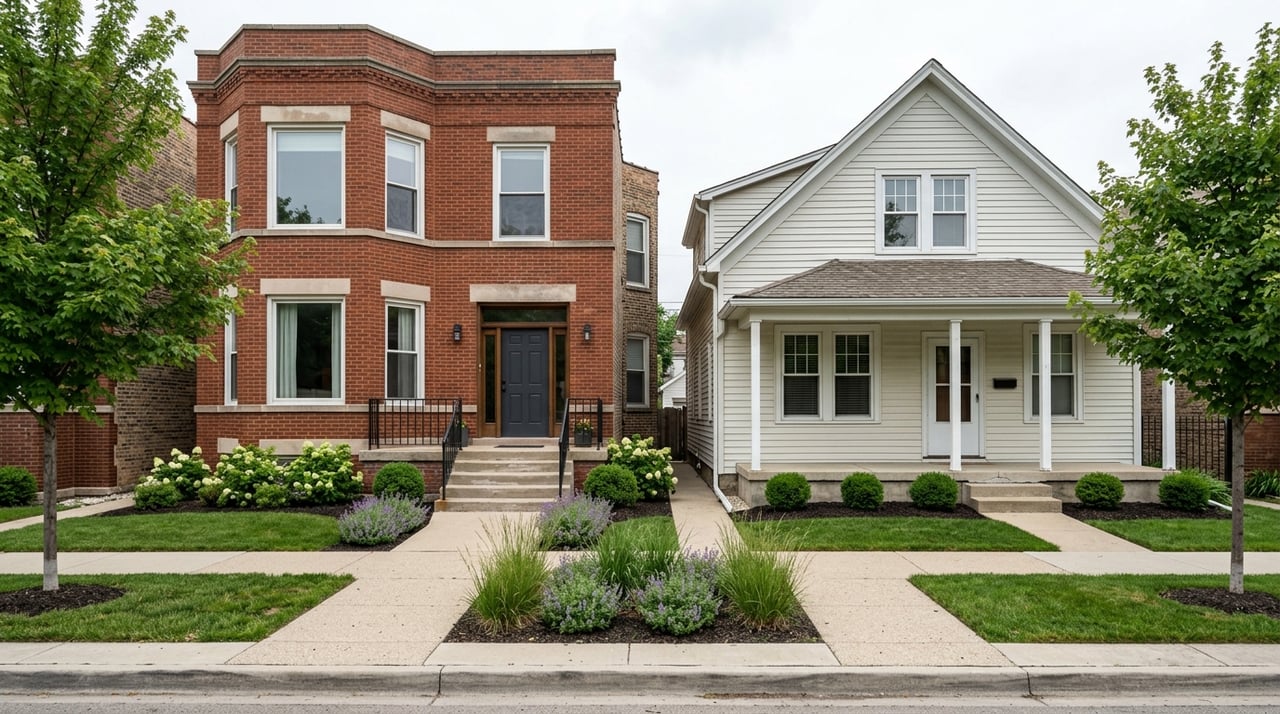
Andersonville brings a different but complementary feel. It is known for historic architecture, the Clark Street business district, and a dense mix of independent shops, cafes, restaurants, and local services. For many downsizers, that combination supports a more car-light lifestyle with everyday needs close to home.
Transit remains a big part of the value in this part of Chicago. CTA notes that fully reconstructed Red Line stations at Lawrence, Argyle, Berwyn, and Bryn Mawr opened in July 2025, with related work continuing through 2026. That means access is still a major advantage, even if some corridor-adjacent construction is still part of the background.
Look beyond the condo itself
When you downsize, it is easy to focus on finishes, closet space, or a nice balcony. Those details matter, but the building and the condo association matter just as much. In Illinois, condo associations are responsible for maintaining common elements, obtaining insurance, collecting assessments, and adopting rules for the property.
Illinois law also requires annual budgets to provide reasonable reserves for capital expenditures and deferred maintenance. In plain terms, that means your monthly assessments, the building’s reserve strength, and the overall condition of the property all deserve close attention. A lower-maintenance lifestyle works best when the building is financially and physically well managed.
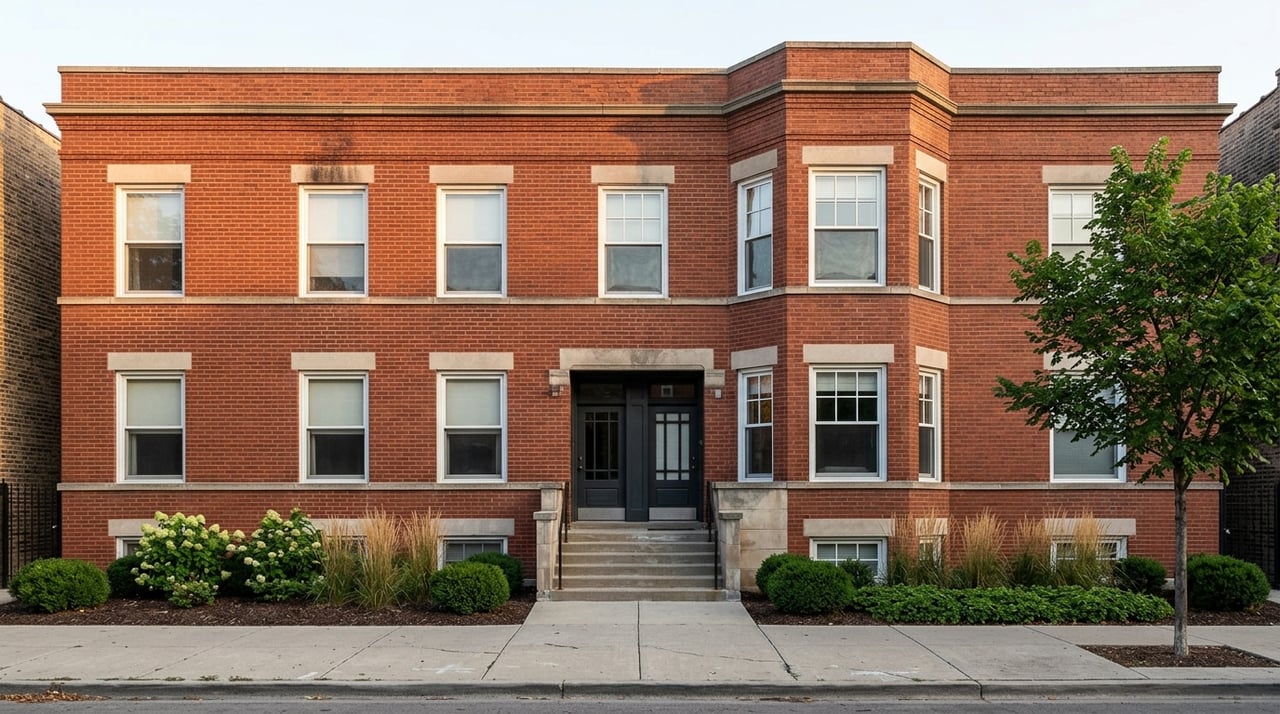
This is especially important in Edgewater and Andersonville, where vintage and historic buildings are common. Charming older buildings can offer character and great locations, but they may also come with stairs, aging systems, or future capital projects. That does not make them a bad fit, but it does mean you should evaluate them carefully.
Features that matter for downsizing
A smart condo choice supports how you want to live now and years from now. If you are leaving a larger home, convenience often matters more than flashy upgrades.
Here are some features worth prioritizing:
- Elevator access or step-free entry
- Hallway and doorway width
- In-unit or building laundry setup
- Dedicated storage space
- Parking availability
- Package handling
- Noise transfer between units
- Balcony, patio, or other outdoor space
- A layout that could support long-term aging in place
In vintage buildings, pay extra attention to stairs and elevator reliability. In any building, ask whether major capital work is planned that could affect future assessments. Downsizing should reduce stress, not replace yard work with surprise building costs.
Why condo documents matter so much
One of the biggest differences between buying a house and buying a condo is governance. You are not only buying your unit. You are also buying into a shared property structure with budgets, rules, reserves, and decision-making by the association.
Illinois gives condo buyers a clear set of resale documents to review. The seller must make available key records such as the declaration, bylaws, rules and regulations, unpaid assessments or liens, anticipated capital expenditures for the current or next two fiscal years, reserve fund information, the association’s most recent financial condition statement, pending suits or judgments, insurance coverage, and a good-faith statement about prior alterations.
The association must furnish this information within 10 business days of a written request, and the seller may be charged a statutory fee for the resale packet. That timing matters if you are trying to coordinate the sale of one home with the purchase of another. A smooth transition often depends on planning for these document deadlines early.
What to review before you commit
The resale packet is not just paperwork to skim. It can tell you whether a building is likely to support the low-maintenance life you want.
Focus on these areas during due diligence:
- Monthly assessments: Know the current amount and what it covers.
- Special assessments: Ask whether any have already been approved or are being discussed.
- Reserve funds: Look for signs that the association is planning ahead for repairs and replacements.
- Planned capital projects: Check for roof work, masonry, elevator updates, or other major expenses in the next two fiscal years.
- Insurance coverage: Confirm the association maintains appropriate coverage.
- Pending litigation or judgments: These can affect building stability and financing.
- Prior alterations: Make sure changes to the unit were properly handled.
Illinois residents also have broad records-access rights. The Illinois Department of Financial and Professional Regulation says members can inspect documents like bylaws, rules, board minutes from the prior seven years, insurance policies, contracts, books and records, and any reserve study. That level of access can help you understand how the building has been run over time.
Read the rules before making an offer
Rules can shape your daily experience more than you expect. The Illinois Department of Financial and Professional Regulation describes rules and regulations as the community’s dos and don’ts, which is a helpful way to think about them.
Before you finalize an offer, read for restrictions that could affect your plans. That includes rental rules, subleasing limits, short-term rental restrictions, pet rules, smoking policies, renovation approvals, and move-in procedures. If you are downsizing for ease and flexibility, you want those rules to feel workable for your lifestyle.
Illinois law allows boards to adopt or amend rules after a meeting of unit owners called for that purpose, and those rules cannot conflict with the law or the condominium instruments. In practical terms, a building’s culture and governance style can matter almost as much as the condo itself.
Financing can depend on the building
Many buyers assume financing approval is mostly about income, credit, and down payment. With condos, the project itself can also affect whether a loan works.
Fannie Mae notes that some projects may be ineligible if they operate like a hotel or motel, have too much commercial or mixed-use space, or have pending litigation tied to safety, structural soundness, or habitability. Other lending guidance also flags issues like delinquent assessments, reserve shortfalls, insurance concerns, owner-occupancy concentration, and legal or physical condition problems.
That is why it helps to have your lender review the condo project early, before you remove contingencies. In Edgewater and Andersonville, where you may see a mix of vintage walk-ups, elevator buildings, and smaller associations, project-level review can be especially important. A beautiful unit is not enough if the building does not fit your loan type.
Timing a sale and condo purchase
If you are selling a larger home while buying a condo, timing matters. Even well-prepared moves can hit delays when condo documents, financing review, and association questions all come into play.
Illinois law allows the association to charge up to $375 for the resale information packet, with a possible additional rush fee and CPI adjustment, and the statute gives the association up to 10 business days to provide the requested information. That means you should build the resale packet timeline into your transaction plan from the start.
A coordinated strategy can help you avoid feeling rushed. When you know what documents are needed and how long building review may take, you can make decisions with more confidence and less pressure.
Questions to ask before you buy
If you are comparing condos in Edgewater or Andersonville, keep your questions focused on both lifestyle and risk. A well-located condo is only a good downsizing choice if the building is financially sound and operationally practical.
Start with questions like these:
- What are the monthly assessments, and what do they cover?
- Have any special assessments been approved or discussed?
- How strong are the reserves?
- Is there a reserve study or reserve planning document available?
- What capital projects are planned in the next two fiscal years?
- Are there restrictions on rentals, pets, renovations, smoking, or move-in logistics?
- Does the building’s financing profile fit the loan type you plan to use?
- If the building is older, how are stairs, elevator access, and long-term mobility concerns addressed?
These questions can help you separate a condo that only looks appealing from one that truly supports the next stage of your life.
Downsizing should feel simpler
The best condo downsizing move is not only about reducing square footage. It is about choosing a home and a building that make life easier, more predictable, and more enjoyable. In Edgewater and Andersonville, the mix of walkability, transit access, neighborhood retail, and housing variety gives you real options.
The key is doing the right homework before you commit. When you look closely at association documents, reserve planning, building rules, and financing fit, you can downsize with fewer surprises and more confidence. If you want guidance as you compare condos in these North Side neighborhoods, The Jerry Cox Group can help you plan a move that fits your goals.
FAQs
What makes Edgewater a good place to downsize to a condo?
- Edgewater offers walkability, beaches, parks, the lakefront trail, and 24-hour CTA Red Line service, which can support a lower-maintenance and more car-light lifestyle.
What makes Andersonville appealing for condo downsizers?
- Andersonville offers historic architecture, a well-known Clark Street business district, and a dense mix of shops, cafes, restaurants, and services close to home.
What condo features matter most when downsizing in Edgewater or Andersonville?
- Key features include elevator access or step-free entry, storage, laundry setup, parking, package handling, outdoor space, noise levels, and a layout that can work long term.
What documents should condo buyers review in Illinois before closing?
- Buyers should review the declaration, bylaws, rules, unpaid assessments or liens, reserve fund information, planned capital expenditures, financial statements, insurance coverage, pending suits or judgments, and prior alteration disclosures.
Why do condo reserves and assessments matter when downsizing?
- Reserves and assessments can signal how well a building plans for repairs and deferred maintenance, which affects both your monthly costs and the likelihood of future special assessments.
How can condo rules affect a downsizing move in Chicago?
- Condo rules may limit rentals, pets, renovations, smoking, short-term rentals, or move-in logistics, so they can directly affect convenience and flexibility.
Why should a lender review an Edgewater or Andersonville condo project early?
- Condo financing may depend on project-level issues like commercial space, litigation, reserves, insurance, assessment delinquencies, and owner-occupancy concentration, not just your personal finances.
How long can it take to get Illinois condo resale documents?
- Illinois law gives the association up to 10 business days to provide the resale information after a written request, so buyers and sellers should build that timing into their plans.