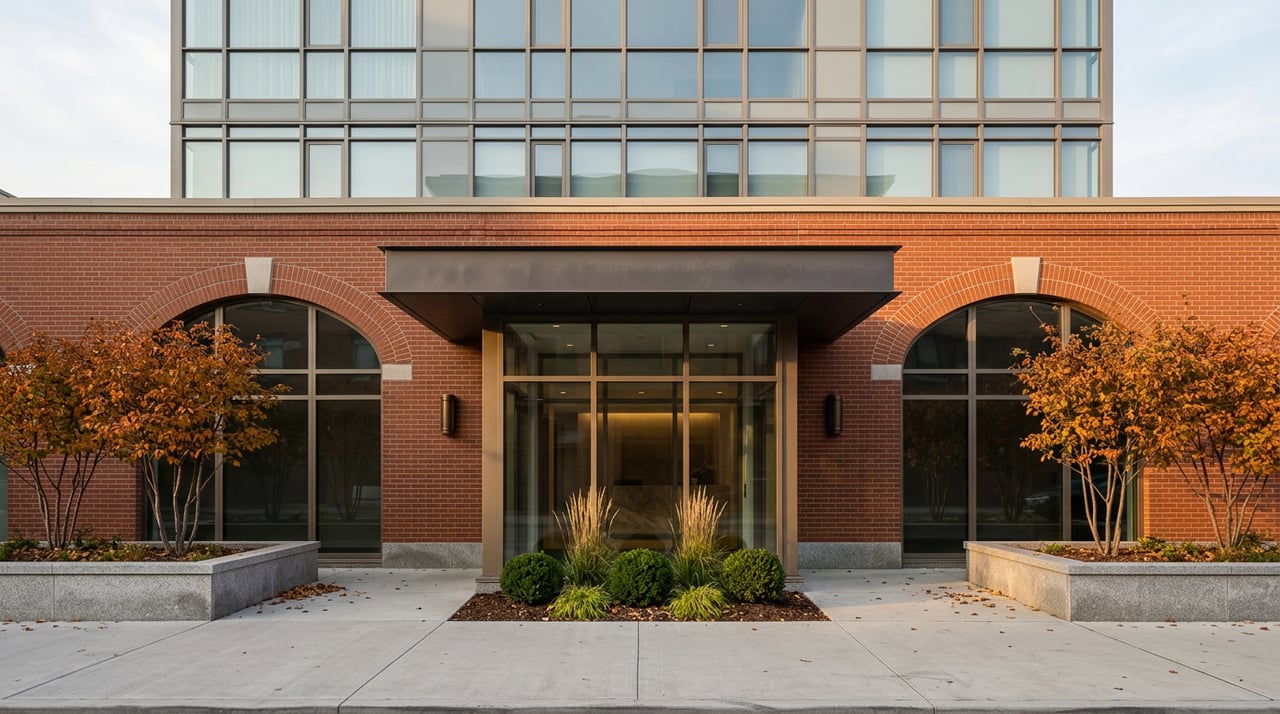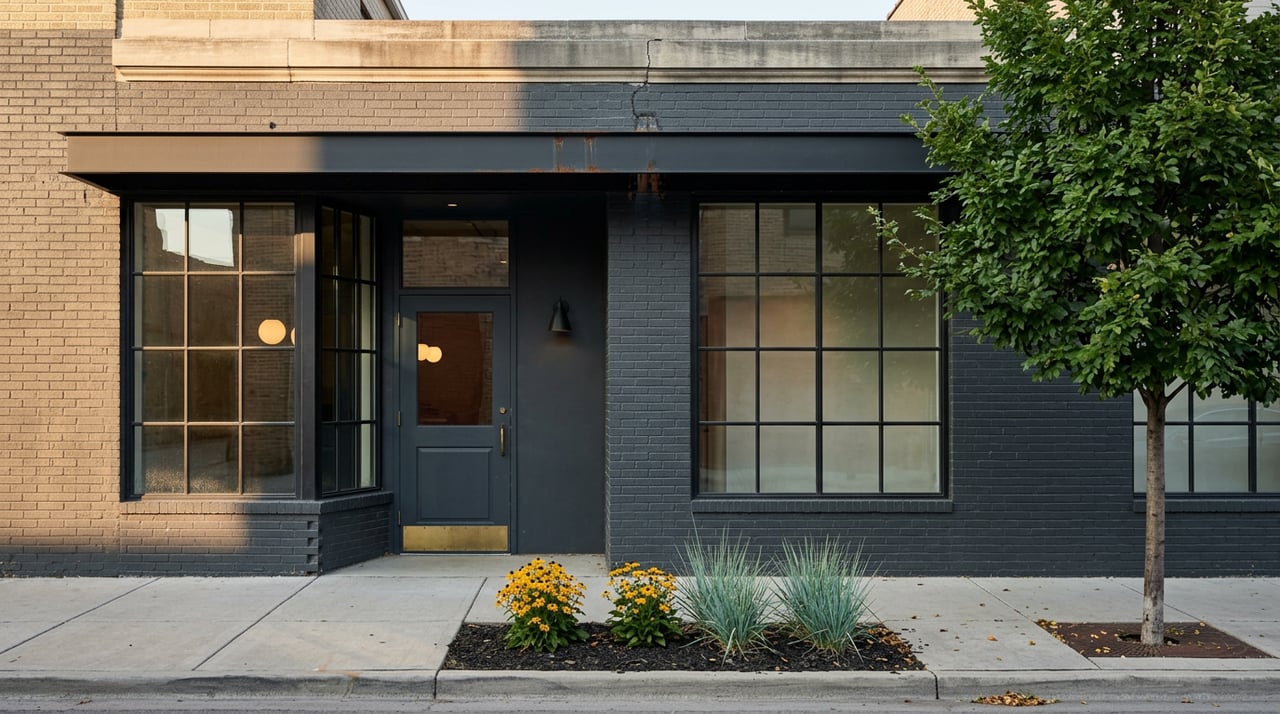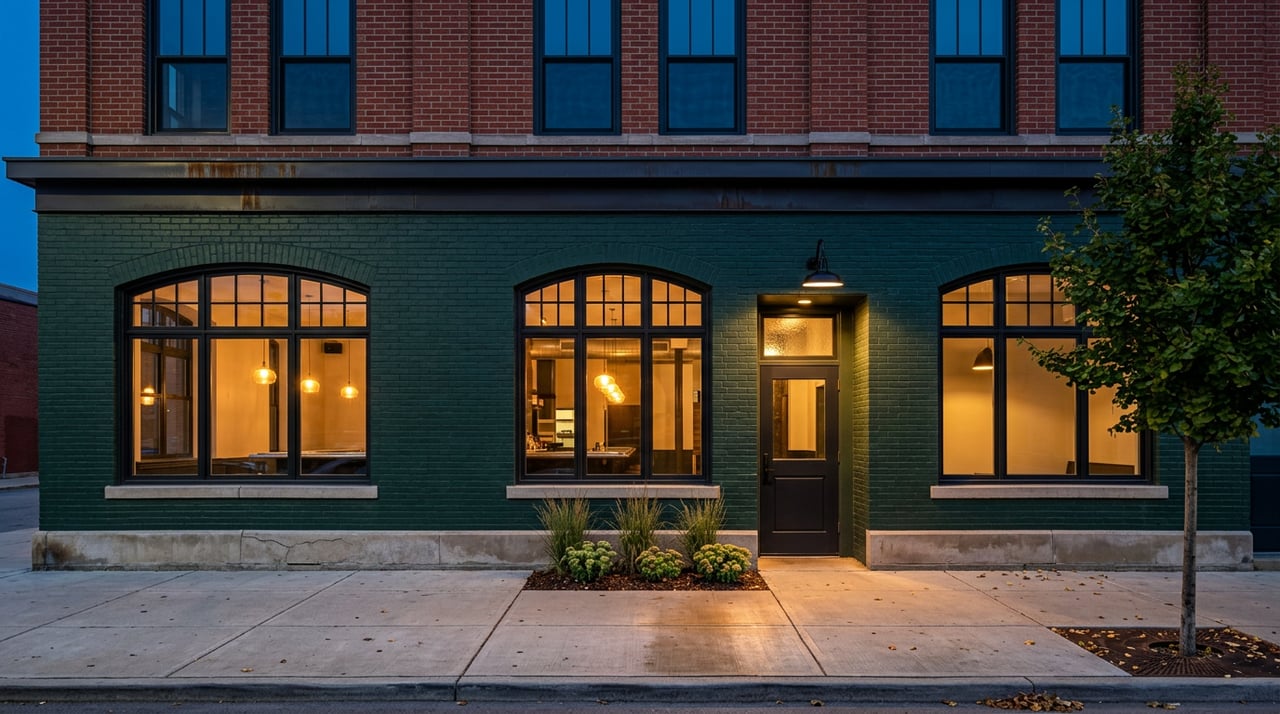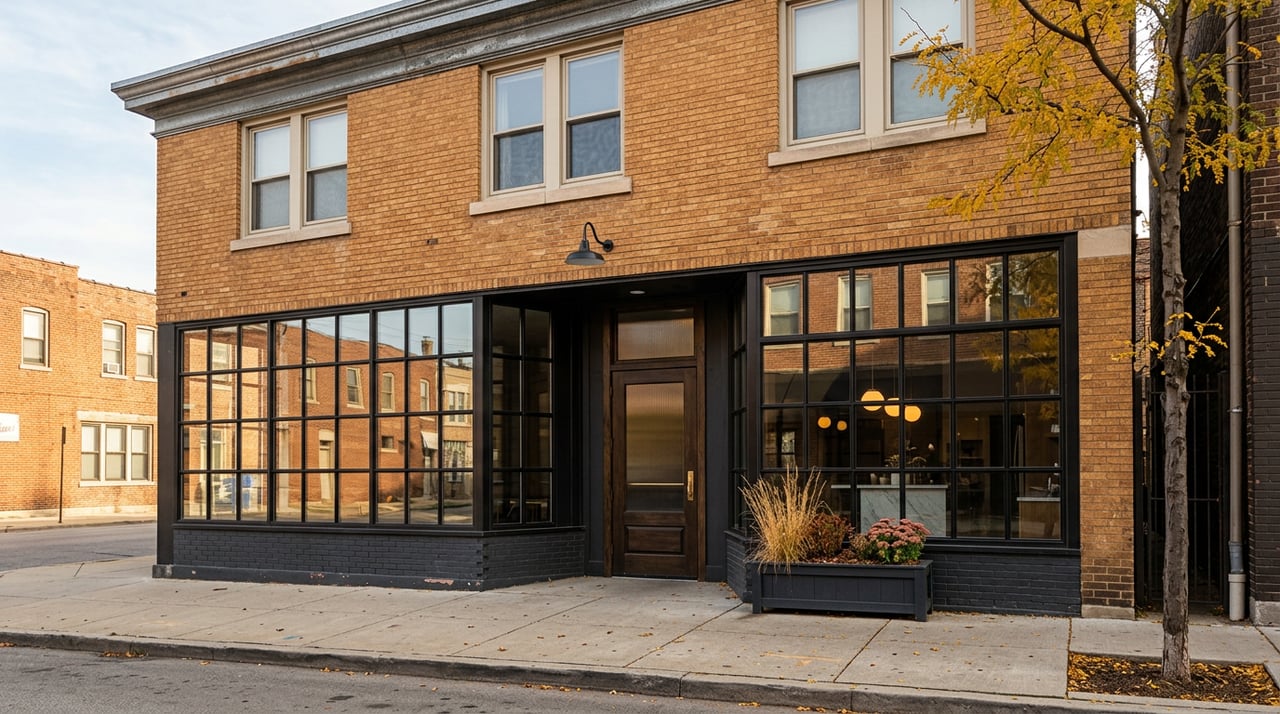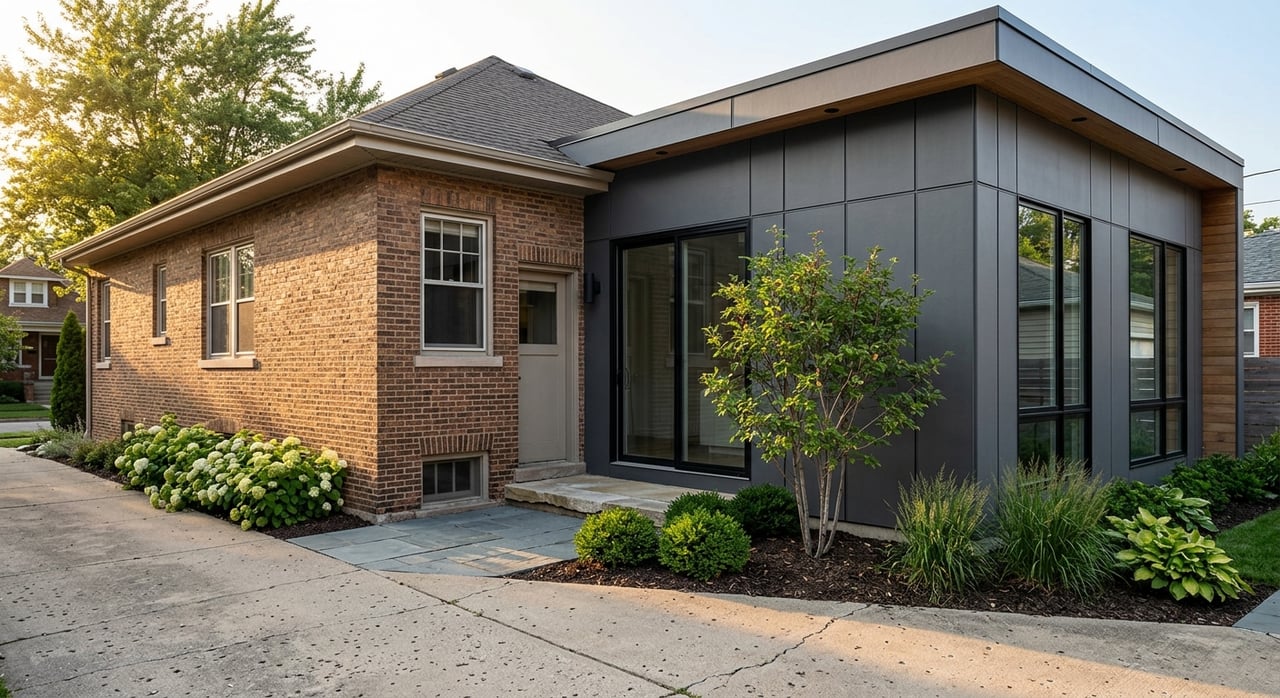
Trying to choose between a brand-new home and a classic Chicago bungalow in North Center? You are not alone. In a neighborhood where demand is strong and housing options can feel very different from one block to the next, the right choice often comes down to how you want to live, what you want to maintain, and how long you plan to stay. This guide will help you compare the tradeoffs with more confidence so you can move forward with a clear plan. Let’s dive in.
Why North Center draws buyers
North Center offers a housing mix shaped by its history. As the Encyclopedia of Chicago notes, the neighborhood developed over time as residents settled near factories and brickyards, which helps explain why you see older homes alongside later infill and newer construction today.
That variety is part of the appeal, but it also makes buying here more nuanced. Recent market snapshots suggest strong demand: Redfin reported a February 2026 median sale price of $805,750 and 60 median days on market, while the research summary also cites a March 2026 Realtor.com median listing price of $1.25M, with 83 active listings and 18 median days on market. These figures measure different things, but together they point to a competitive market where preparation matters.
What a classic bungalow offers
A Chicago bungalow is more than an older house. According to the Chicago Bungalow Association, these homes were built mainly from 1910 to the mid-1930s and are typically brick, 1.5 stories over a full basement, with low-pitched hipped roofs, porches, generous windows, and Arts & Crafts influence.
If you are drawn to historic character, a bungalow can deliver a lot of it. The Chicago Bungalow Association explains that large windows, art glass, garden connections, and mature-tree streetscapes are part of the housing type’s long-standing appeal. In practical terms, that often means a home that feels tied to Chicago’s architectural history rather than designed around current trends.
Bungalow layout and expansion
One of the biggest advantages of a bungalow is how the original floor plan was designed. The original bungalow design focused on efficient living on narrow city lots, with public and private spaces separated across the main floor and unfinished attics intended for future expansion.
For you, that can mean a home with a more defined, room-by-room layout than many new builds. It can also mean built-in upside if you plan to finish the attic or basement over time. That gradual expansion potential can be especially appealing if you expect your needs to grow in the years ahead.
What new construction offers
If your priority is a more turnkey experience, new construction may be the better fit. ENERGY STAR certified new homes are built with quality-installed insulation, high-performance windows, well-sealed building envelopes, and high-efficiency heating and cooling systems, and the program says certified homes are at least 10% more energy efficient than homes built to minimum code levels.
The U.S. Department of Energy adds that efficient new homes are verified by a qualified third party and are designed to support energy savings, comfort, health, and durability. That kind of documentation can give you more clarity about how the home performs from day one.
Turnkey living and predictable systems
One of the strongest arguments for new construction is simplicity. Because newer homes are built with current materials and systems, they often come with fewer immediate repair projects and less need for targeted upgrades right after closing.
That lines up with how the DOE frames home energy evaluation. The agency notes that older homes are commonly assessed for insulation, windows, heating and cooling, and air leakage, while HERS ratings are used most often for newly constructed homes. In plain English, a new build often gives you more performance documentation up front, while an older home may require more investigation and planning.
The biggest tradeoffs to weigh
The choice between a new construction home and a classic bungalow is rarely about which one is better overall. It is about which one fits your priorities better.
Here is a simple side-by-side view:
| Priority | Classic Bungalow | New Construction |
|---|---|---|
| Character | Strong historic charm and original details | More contemporary look and feel |
| Layout | More compartmentalized floor plan | Often designed for modern living preferences |
| Expansion potential | Attic and basement may offer future project options | Usually finished with current needs in mind |
| Maintenance | May require more routine upkeep and updates | Often fewer near-term repair projects |
| Efficiency documentation | Usually needs targeted evaluation | May include verified efficiency standards |
| Ownership style | Good fit if you enjoy improving a home over time | Good fit if you want a more turnkey experience |
Maintenance matters more than many buyers expect
A charming home can still be a demanding home. Fannie Mae recommends budgeting for regular maintenance because it can cost more to repair damage caused by neglect, and its checklist covers areas like exterior structure, plumbing, electrical, HVAC, attic, basement, and garage.
That does not mean you should avoid an older bungalow. It simply means you should go in with a realistic plan. If you love original details and the idea of improving a home over time, the upkeep may feel worthwhile. If not, a newer home may better match your lifestyle.
Think beyond the purchase price
List price is only part of the story. The Consumer Financial Protection Bureau says ongoing homeownership costs can include mortgage principal and interest, mortgage insurance, property taxes, homeowner’s insurance, HOA fees, maintenance and repairs, and utilities. It also notes that closing costs typically range from 2% to 5% of the purchase price.
That is why a lower-maintenance home can sometimes make more sense even if the upfront price is higher. On the other hand, a bungalow with room to improve may be the better long-term value if you plan to stay put and invest gradually.
Which option fits your timeline?
Your expected holding period can help guide the decision. If you plan to stay for many years, a bungalow’s character and expansion potential may become more valuable over time. You may be comfortable taking on updates because you expect to enjoy the results for a long stretch.
If your timeline is shorter, new construction may be easier to justify. A more turnkey home with documented efficiency features can reduce surprise costs and simplify ownership during the years you have it.
Resale value and future appeal
Resale is never guaranteed, but certain features can help a home stand out. ENERGY STAR notes that studies have found sales price premiums of up to 8% for certified and similarly efficient homes.
In a neighborhood like North Center, where market activity suggests limited supply and steady demand, that kind of efficiency story may matter to future buyers. At the same time, classic bungalows have enduring appeal because buyers often value authenticity, original design features, and a home that feels rooted in Chicago’s history.
How to choose with confidence
If you are deciding between these two paths, focus on a few clear questions:
- Do you want historic character enough to accept more upkeep or renovation work?
- Do you prefer a home with more third-party documentation around comfort and efficiency?
- How long do you expect to own the home?
- How much do you want to reserve for maintenance, repairs, taxes, insurance, utilities, and closing costs beyond your down payment?
When you answer those questions honestly, the better option usually becomes clearer. The goal is not to buy the most impressive house on paper. The goal is to buy the home that fits your budget, your routines, and your long-term plans.
Whether you are drawn to the charm of a classic bungalow or the simplicity of new construction in North Center, working with an advocate who understands Chicago housing styles and neighborhood-level market context can make the process smoother. If you want help comparing options and narrowing your next move, connect with The Jerry Cox Group for practical guidance tailored to your goals.
FAQs
What is the main difference between new construction and a classic bungalow in North Center?
- A classic bungalow typically offers historic character, a more traditional layout, and possible attic or basement expansion, while new construction often offers a more turnkey experience with newer systems and documented efficiency features.
Are Chicago bungalows in North Center usually older homes?
- Yes. The Chicago Bungalow Association says Chicago bungalows were built mainly from 1910 to the mid-1930s, so they are generally older homes that may need more ongoing maintenance than a new build.
Do new construction homes in North Center tend to be more energy efficient?
- They can be, especially if they are ENERGY STAR or DOE certified, because those programs emphasize insulation, windows, sealing, and efficient heating and cooling systems.
Should North Center buyers budget for costs beyond the down payment?
- Yes. The CFPB recommends planning for closing costs, taxes, insurance, utilities, maintenance, repairs, and other monthly ownership expenses in addition to your mortgage.
Is a bungalow or new construction better for long-term ownership in North Center?
- It depends on your goals. A bungalow may suit you if you value character and are open to improving the home over time, while new construction may fit better if you want lower near-term maintenance and a more predictable ownership experience.