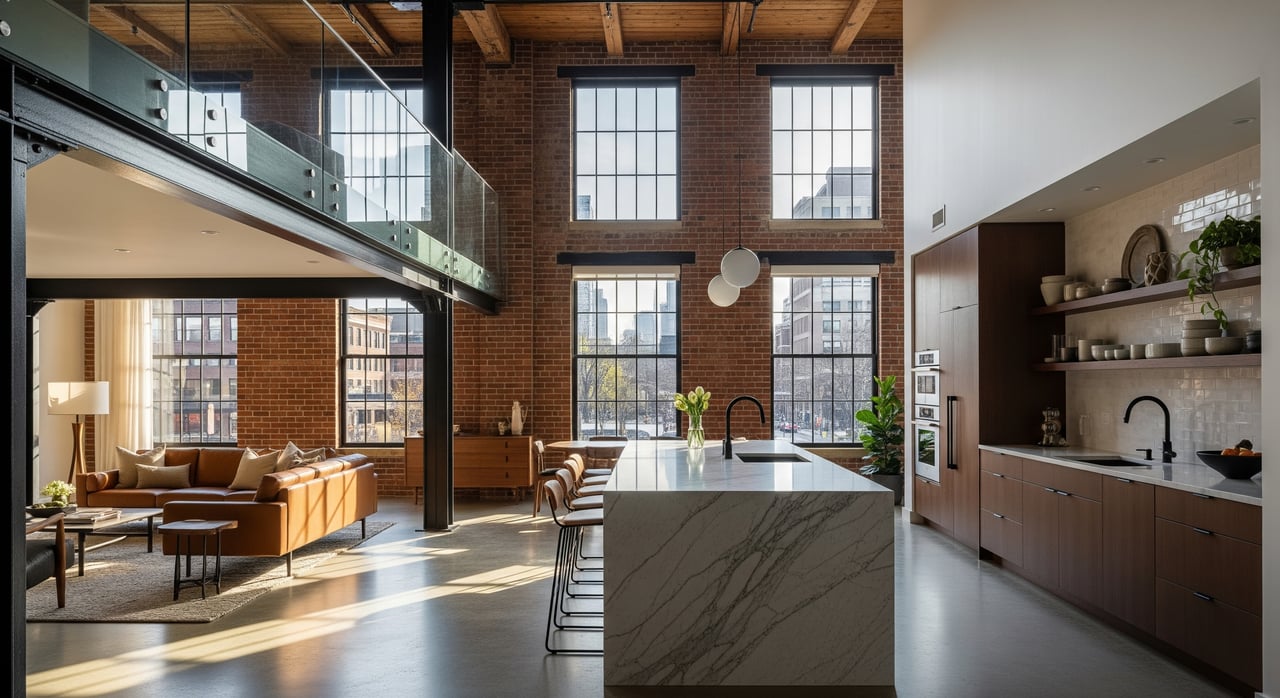
Thinking about buying a loft in Chicago’s West Loop? You are not alone. The neighborhood mixes historic industrial character with a vibrant dining scene, major employers, and easy access to the Loop. If you love tall ceilings, big windows, and an open plan, a West Loop loft can check every box.
This guide gives you a practical roadmap for shopping with confidence. You will learn the key differences between converted and new-construction lofts, how to handle inspections and environmental checks, what lenders look for in condo buildings, and what day-to-day loft living is really like in West Loop. Let’s dive in.
Why West Loop appeals
West Loop sits just west of downtown, so your commute to the Loop is quick and straightforward. You are near major train hubs around Ogilvie and Union Station, plus CTA bus routes that connect across the city. Walkability is strong, and many buyers choose the area for a car-light lifestyle.
You also get access to the Randolph Street restaurant corridor and Fulton Market, along with boutique fitness studios, grocers, and small parks like Mary Bartelme Park. The energy is urban and active. Parking can be limited and costly, so you will want to confirm whether a unit includes a deeded or assigned spot or if leasing a space nearby is realistic for your budget and daily routine.
What counts as a loft in West Loop
Not all “lofts” are the same. Understanding the type you are touring will help you plan inspections, financing, and long-term maintenance.
Converted industrial lofts
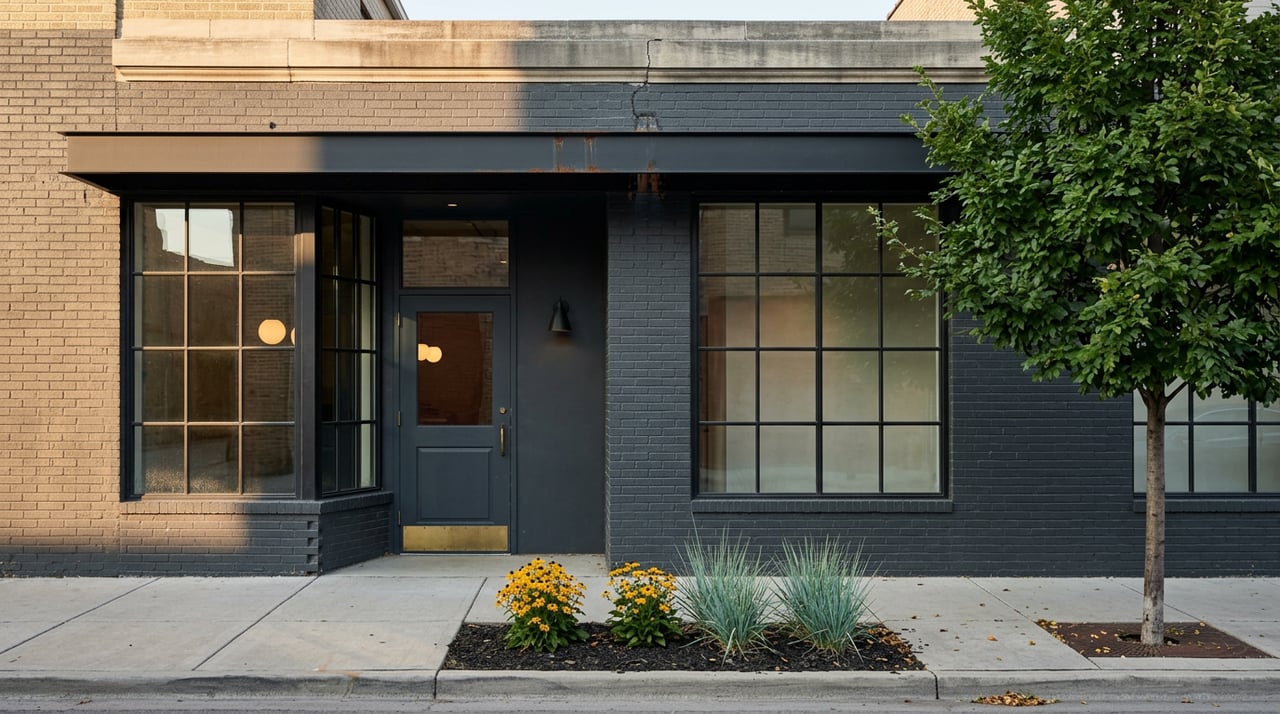
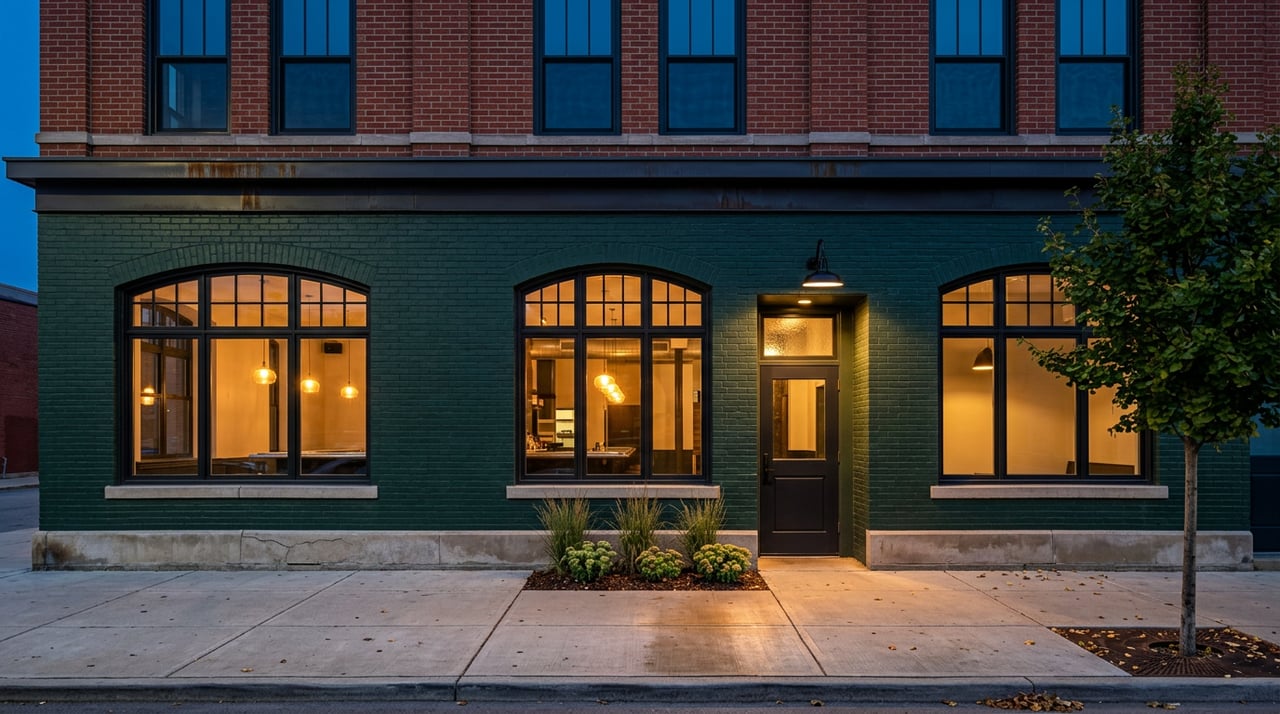
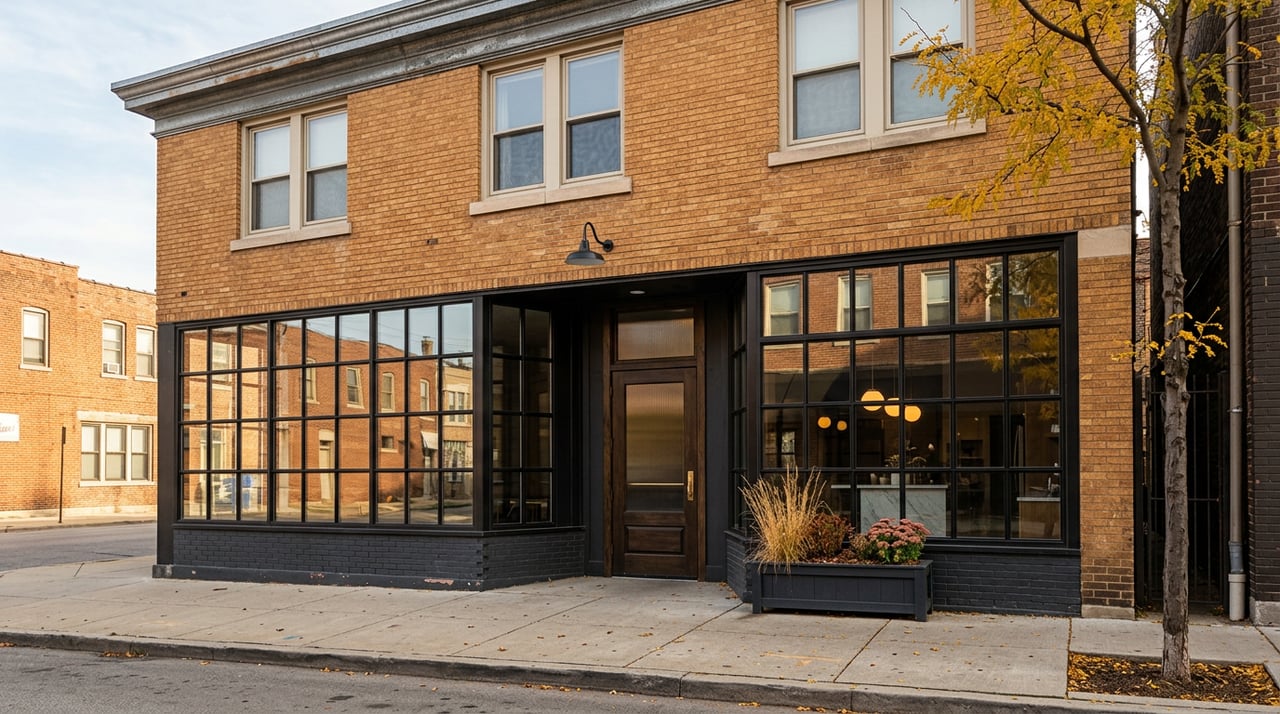
These are original warehouses and factory buildings that were turned into residential units. You will often see exposed brick, timber or steel beams, large factory-style windows, and tall ceilings. The charm is real, but older materials can require specialized care. Window systems, tuckpointing, and sound mitigation are common talking points in these buildings.
New-construction loft-style condos
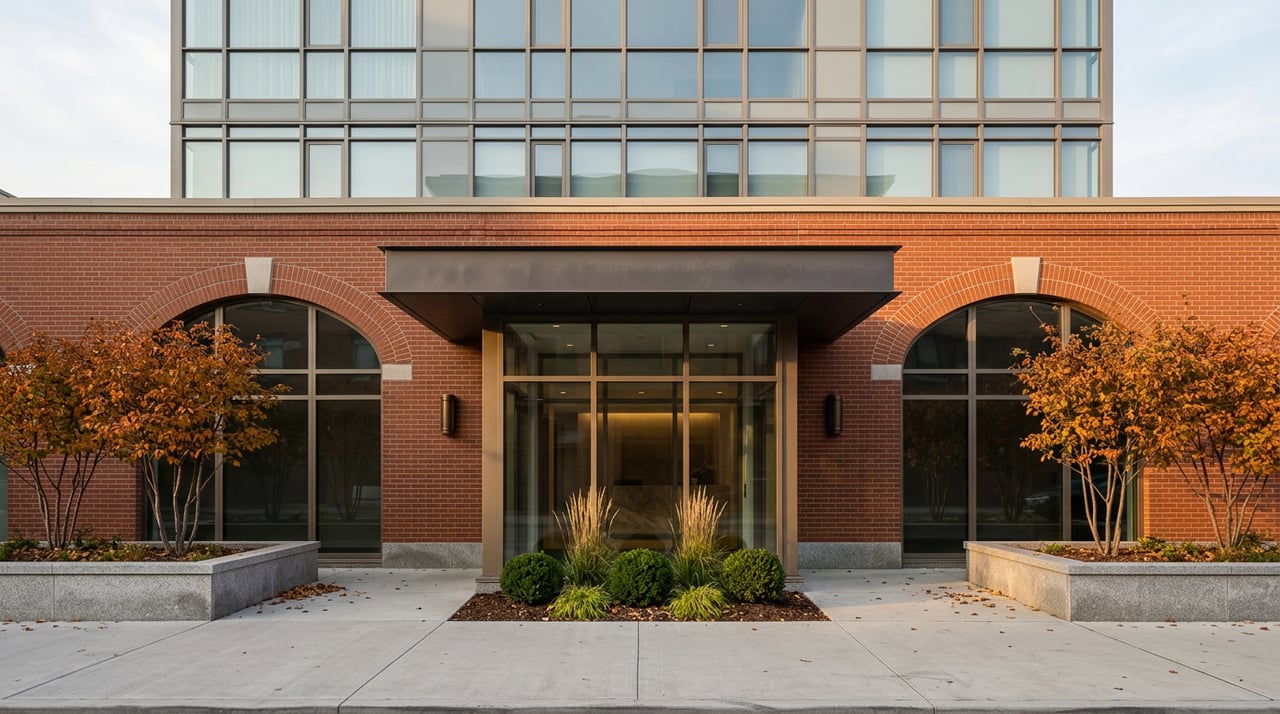
Some newer buildings are designed to feel like lofts while meeting modern codes and building standards. You may still get open layouts and tall ceilings, but systems like HVAC, electrical, and fire safety reflect contemporary construction. Maintenance can be more predictable compared to historic conversions, though every building is different.
Live/work and hybrid spaces
Certain buildings include live/work units that may allow light commercial use. Always verify zoning and what the condo declaration permits before you write an offer. If you need a true home office or client-facing setup, confirm the rules in writing.
Hidden details to check in a loft
Tall ceilings and wide-open rooms are part of the appeal, but they also change how a home lives. Heating and cooling larger volumes of space can increase utility costs. Original windows are beautiful yet may need repair or replacement over time. Some conversions have thinner floors or shared walls that transmit more sound than typical condos.
Do not assume modern capacity for electrical service, especially in older buildings. Some conversions still have 100-amp panels or central boilers. Ask the seller and building manager for service records and replacement timelines, including HVAC, roof, elevators, and hot water systems.
Due diligence checklist for West Loop lofts
Use this step-by-step list to keep your purchase on track.
- Get preapproved and talk project eligibility
- Share the address and building name with your lender early. Ask how the building’s eligibility could affect your loan options and down payment.
- Confirm warrantability with your lender
- Lenders review condo projects against Fannie Mae, Freddie Mac, FHA, or VA criteria. If a project is non-warrantable due to reserves, rental ratios, or litigation, you may need a portfolio loan or a larger down payment. Get the building questionnaire started as soon as you are serious about a unit.
- Hire a loft-savvy home inspector
- Order a comprehensive inspection that covers roof, structure, moisture, windows, plumbing, gas lines, HVAC age and capacity, electrical service and grounding, and any signs of water intrusion or pests. Consider elevator review and roof or parapet checks if you are on an upper floor.
- Evaluate environmental risk in conversions
- For buildings on former industrial parcels, ask about environmental due diligence. A Phase I Environmental Site Assessment under the ASTM E1527 standard can reveal past uses, underground storage tanks, or contamination concerns. If issues are flagged, a Phase II with sampling may follow.
- Address lead, asbestos, and radon appropriately
- In buildings built before 1978, sellers must provide a lead-based paint disclosure. Older materials may contain asbestos. If your unit is at or near ground level, consider a radon test. Review any testing or abatement history and consult qualified professionals when needed.
- Review condo documents and financials
- Request the declaration and bylaws, recent budgets and balance sheets, reserve study, current reserve balance, meeting minutes for the past 12 to 24 months, insurance summary, management contract, rental and pet policies, short-term rental rules, pending litigation, and a history of special assessments. Watch for low reserves, repeated assessments, or ongoing legal matters.
- Verify permit history with the city
- Check that major renovations have proper permits with the City of Chicago Department of Buildings. If the property is in a landmark district, exterior changes likely require approval from the Commission on Chicago Landmarks.
- Understand taxes, title, and closing costs
- Review the property’s assessed value with the Cook County Assessor. Ask your attorney and title company to confirm transfer taxes, easements, and any historic preservation covenants. Explore homeowner exemptions if you plan to live in the unit.
- Confirm parking and storage
- Find out if parking is deeded or assigned, whether it transfers with the unit, and if leasing a space is allowed. Ask about storage lockers or basement storage to supplement in-unit space.
- Plan insurance coverage
- Most condo buyers carry an HO-6 policy for interior coverage. Confirm the building’s master policy limits and your deductible obligations. Consider backup and flood coverage if appropriate for the location and building systems.
Financing a West Loop loft
Financing depends on the building as much as the unit. Lenders categorize condo projects as warrantable or non-warrantable based on criteria like reserves, rental concentration, insurance coverage, and litigation status. Warrantable projects typically allow conventional financing with standard down payments. Non-warrantable projects can still be financed, but you may need a portfolio lender and a higher down payment.
FHA and VA loans have their own condo approval processes. If you plan to use these options, ask your lender to review the project early. Appraisals can also be nuanced for lofts because layouts and finishes vary widely, so comparable sales might be limited. Give yourself time for valuation to come in and be ready to discuss recent sales that reflect your unit’s unique features.
If you are a veteran or active-duty buyer, make sure your agent and lender are experienced with VA financing and condo approvals. A strong team helps you line up the right building, secure a competitive loan, and navigate board questionnaires without delay.
Legal and city rules to know
In Illinois, the Illinois Condominium Property Act sets the framework for how associations operate and what sellers must disclose. In Chicago, building permits are required for structural, electrical, mechanical, and large-scale work. If a property lies within a landmark district, exterior changes usually need approval from the City’s landmarks commission.
Short-term rentals are regulated in Chicago, and many associations restrict them further. Always review the condo declaration, house rules, and city requirements if you plan to rent the unit, even occasionally.
Living considerations in a West Loop loft
Noise and neighbors
Open plans and historic construction can allow more sound to travel between units. Ask about quiet hours, any sound mitigation like float floors, and whether adjacent units include commercial spaces that operate late or early. If possible, visit at different times of day to get a feel for typical noise levels.
Utilities and building systems
Clarify what your assessments cover. Some buildings include heat and hot water in condo dues, especially if they run central systems. Others meter water and electricity individually. Internet options vary by building, so confirm providers before you move forward if high-speed connectivity is essential for work.
Renovation planning
If you plan a remodel, start with the association’s alteration guidelines. Structural changes, exterior work, and system upgrades usually require city permits and board approval. Proactively gather engineering opinions if your plans would touch columns, load-bearing elements, or party walls.
Resale and investment outlook
Lofts with strong natural light, intact original character, tall ceilings, and flexible open plans tend to draw a larger buyer pool. Buildings with stable reserves, clear maintenance histories, and straightforward rules can be easier to finance, which helps resale. On the flip side, limited parking, high rental concentration, and unresolved litigation can narrow your buyer base.
If you plan to rent the unit, verify rental limits and minimum lease terms. Some buildings cap investor ownership or ban short-term rentals. Your lender may also review the owner-occupancy rate, so it is smart to align your financing plan with the association’s rules from the start.
Your next step
A successful West Loop loft purchase comes down to three things: clear financing strategy, thorough building due diligence, and strong representation. When you work with an experienced, service-first team, you get guidance on project eligibility, targeted inspections for converted spaces, and a clean path from offer to closing.
If you are ready to explore lofts around Randolph Street, Fulton Market, or the broader West Loop, reach out to a trusted local advocate. Connect with The Jerry Cox Group to request a tour, talk financing options including VA loans, and get a tailored plan for your purchase.
FAQs
What makes a West Loop loft different from a standard condo?
- Lofts often feature open layouts, tall ceilings, and industrial finishes from warehouse conversions, which can affect sound, heating and cooling, and maintenance.
How does condo warrantability affect financing for a West Loop loft?
- Lenders review building reserves, rentals, insurance, and litigation. Non-warrantable buildings may require a portfolio loan and higher down payment.
What inspections should I prioritize when buying a converted loft in Chicago?
- A comprehensive home inspection plus targeted checks for roof, parapets, elevators, moisture in masonry, and potential environmental issues.
Are environmental hazards a concern for West Loop warehouse conversions?
- Yes. A Phase I ESA under the ASTM E1527 standard can flag past industrial uses, underground tanks, or contamination that may need further testing.
What condo documents should I review before waiving contingencies in Illinois?
- Declaration and bylaws, recent budgets and reserves, meeting minutes, insurance summary, rental rules, management contract, litigation, and special assessments.
Is parking usually included with West Loop lofts?
- Not always. Many units do not include parking, so confirm whether spaces are deeded, assigned, or available to lease nearby before you make an offer.