When residents pitched Edgewater Glen for a spot on the National Register of Historic Places in 2024, the reaction from Illinois's State Historic Preservation Office wasn't hesitation. It was surprise that a neighborhood this intact hadn't already been listed. The share of buildings the state classified as contributing resources ranked among the highest of any historic district in Illinois, the kind of number that makes an absence of paperwork look less like a decision and more like an oversight nobody had gotten around to fixing.
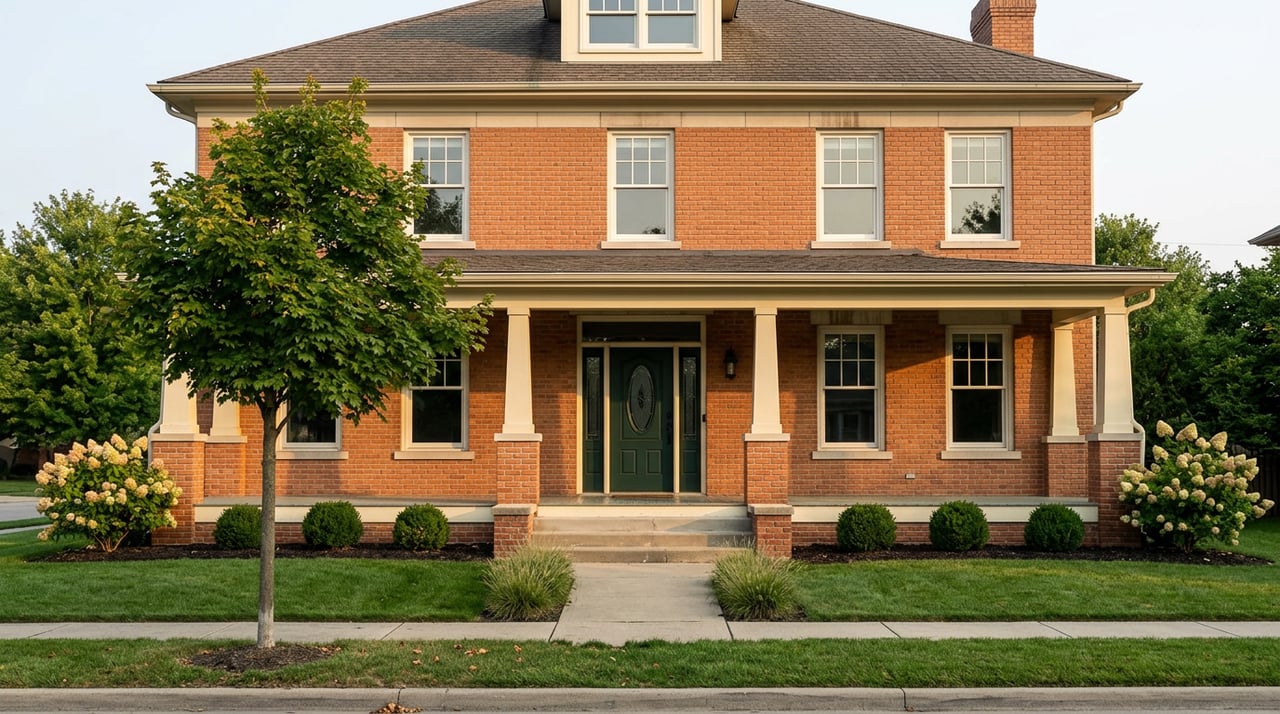
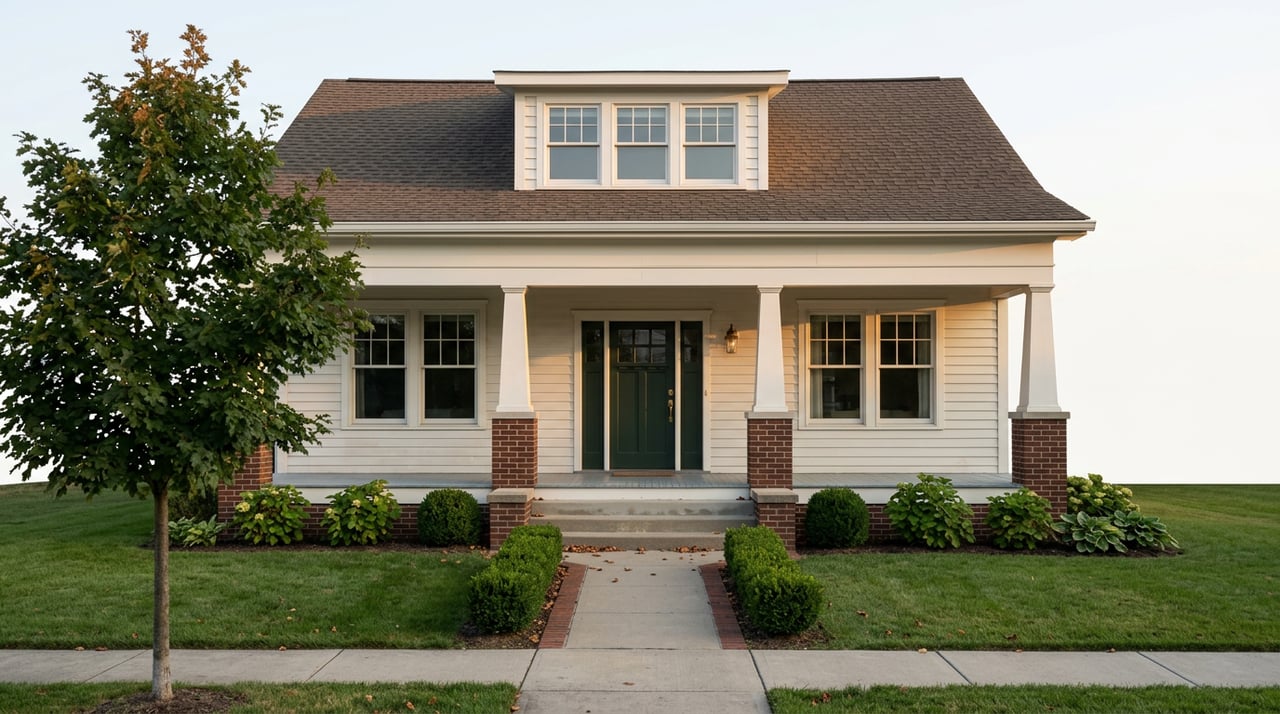
That oversight got corrected in 2024, when Edgewater Glen officially joined the registry. Now, on Sunday, September 20, the Edgewater Historical Society's 35th Annual Home Tour walks through the neighborhood's interiors for twenty five dollars a ticket, tour booklet and refreshments included. Pull up the Society's own tour archive and the last time Edgewater Glen anchored the flagship tour was the year 2000, back when the printed booklet still framed it as a quietly overlooked stretch of foursquares. Twenty six years is a long gap for a neighborhood that hasn't stopped looking the way it looks now.
What the Archive Says About How These Blocks Got Built
Long before anyone talked about registries, the land belonged to Nicholas Kransz, a Luxembourg immigrant who settled the farmland here in 1848. After he died in 1896, his five children divided the property and started selling lots. One daughter had married into the Webers of the National Brick Company, and the resulting Weber-Kransz Company built more than fifty homes on Granville and Hood between 1903 and 1904. Kransz's own son built his house at the corner of Glenlake and Greenview, and a second family addition stretched development from Glenlake to Elmdale. A few blocks over, Peter Brost carved out his own subdivision in 1890, and Thomas Milsted developed the adjoining parcel a year later. John Lewis Cochran, the Philadelphia tobacco salesman who had already named the broader area Edgewater in 1885, added a fourth section along Norwood and Elmdale in 1893, though the recession that year slowed things down until families arrived in bigger numbers after the turn of the century.
That patchwork is why the genesis account the Society submitted to the state reads less like one developer's vision and more like four or five competing builders working the same few blocks at once, each on wide lots nobody later carved up for density. Nobody redeveloped this pocket once the original builders finished, and nobody had much reason to, which is exactly the kind of continuity a preservation office is trained to notice and residents mostly just live inside without thinking about it.
What Actually Happens on September 20
The mechanics are simple and haven't changed much since 1989, when the Society ran its first Home Tour. Every home on the route has two volunteer docents: one stationed outside to describe the exterior's architectural details, one waiting inside to walk visitors room by room. Groups cap at ten people at a time, and a blue lawn sign marks which houses are open, so there's no guessing which foursquare is hosting strangers through its front hall this particular Sunday. Visitors follow the docent's lead rather than wandering room to room on their own, and the walk between homes is designed to be done on foot, block to block, without needing a car.
It's a low-stakes way to see the inside of a house type most residents only know from the sidewalk. Nobody's asking you to imagine yourself living there. You're just walking through someone else's front door for twenty minutes because the door happens to be open.
The Season That Built Up to This One
The Home Tour isn't the only thing the Society ran this year. Since June, it's worked through a full slate of guided walking tours, each capped at twenty people and priced at fifteen dollars:
- Magnolia Glen, June 25, a mile-long loop through one of Edgewater's oldest subdivisions, laid out in 1888 by developer William Cairnduff
- Bryn Mawr Landmark District, June 27, starting at the Edgewater Beach Apartments and tracing the mixed commercial and residential buildings Cochran originally planned as a standalone suburb before Chicago's growth swallowed the distinction
- Lakewood Balmoral Historic District, July 12, a mile loop beginning and ending at North Shore Baptist Church through a district that got its own separate registry designation back in 1999
- Discover the Art Underfoot, July 25, a lakefront walk led by local historian Bill Swislow through the hidden artwork built into the shoreline itself
- Andersonville Historic District, July 26, starting at the Society's own garden at Balmoral and Ashland and ending at Foster and Clark
- North Edgewater Beach, July 29, past seven recognized Chicago landmarks near Granville and Kenmore
- Surprising Broadway, August 2, beginning at St. Ita Catholic Church and ending near the Broadway Armory, through the old Motor Row buildings and two-flats that predate Broadway's commercial zoning
None of those tours needed a National Register vote to happen. The Society has been walking residents through this history for decades regardless of what Springfield had on file, and every ticket helps fund the museum at 5358 N. Ashland Avenue, which is otherwise free to wander into on a Saturday or Sunday afternoon. The Home Tour is simply the one weekend a year when the walking tour turns into an open house.
What the Plaque on the Porch Actually Changes
For homeowners now inside the district boundary, the designation carries more than symbolic weight. Illinois offers a property tax assessment freeze and reimbursement for qualified restoration costs to owners who maintain a historic home's character, and the Edgewater Glen Association has started walking residents through those programs directly. The Association also introduced a custom Historic District Plaque, cast for a house once the owner supplies the build year and the name of the original architect or builder, a small physical marker of recognition that took most of a century to arrive on paper.
None of that touches the traditions that predate the paperwork. The neighborhood's Garden Walk, its block-wide Yard Sale, and its Summer Social have run since the Association formed in the 1970s, alongside a Heritage Trees program that has nothing to do with any registry and everything to do with neighbors agreeing on what's worth keeping on their own block.
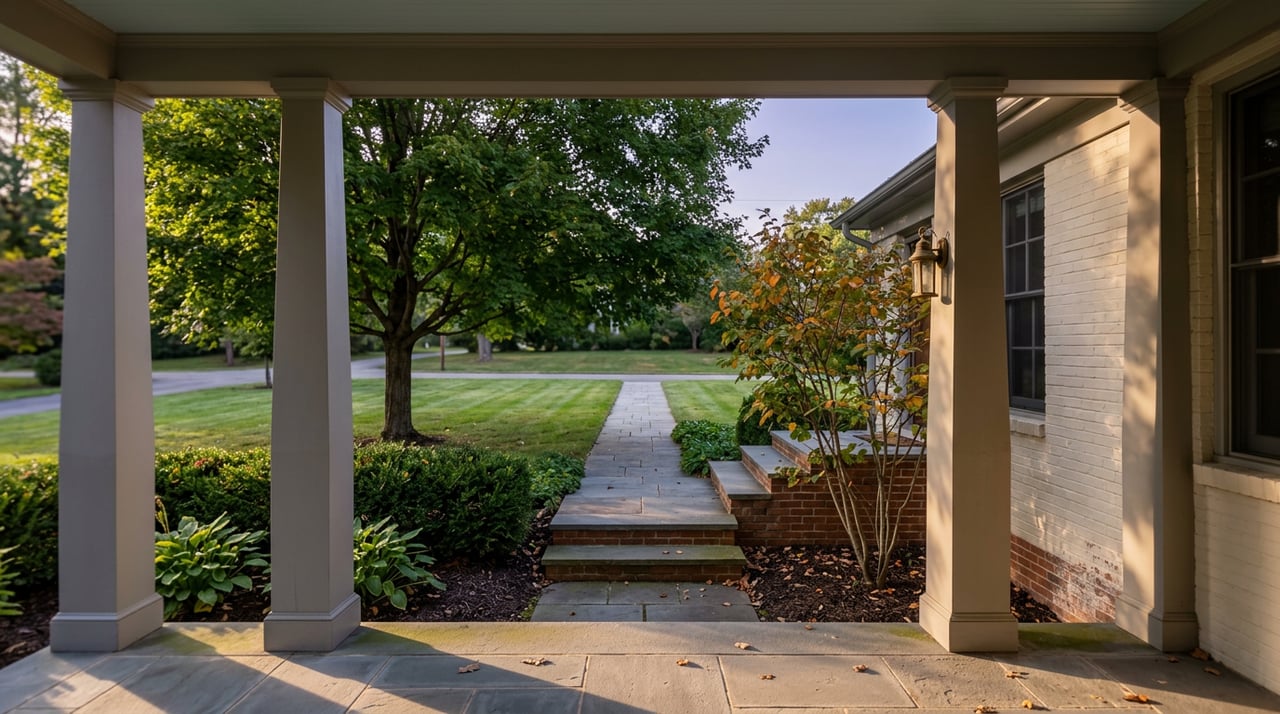
You don't need to be shopping for a house to walk through one on September 20. The tour is built for people who already live three blocks over and have always wondered what's behind that porch with the deep eaves. Grab a ticket, follow a docent, and see what the state's own preservation office was surprised to learn had been sitting here all along.
If the walk leaves you curious what a foursquare like that would actually cost to buy, or what a newly registered historic district does to values on your own Edgewater block, The Jerry Cox Group is glad to talk it through, no ticket required.